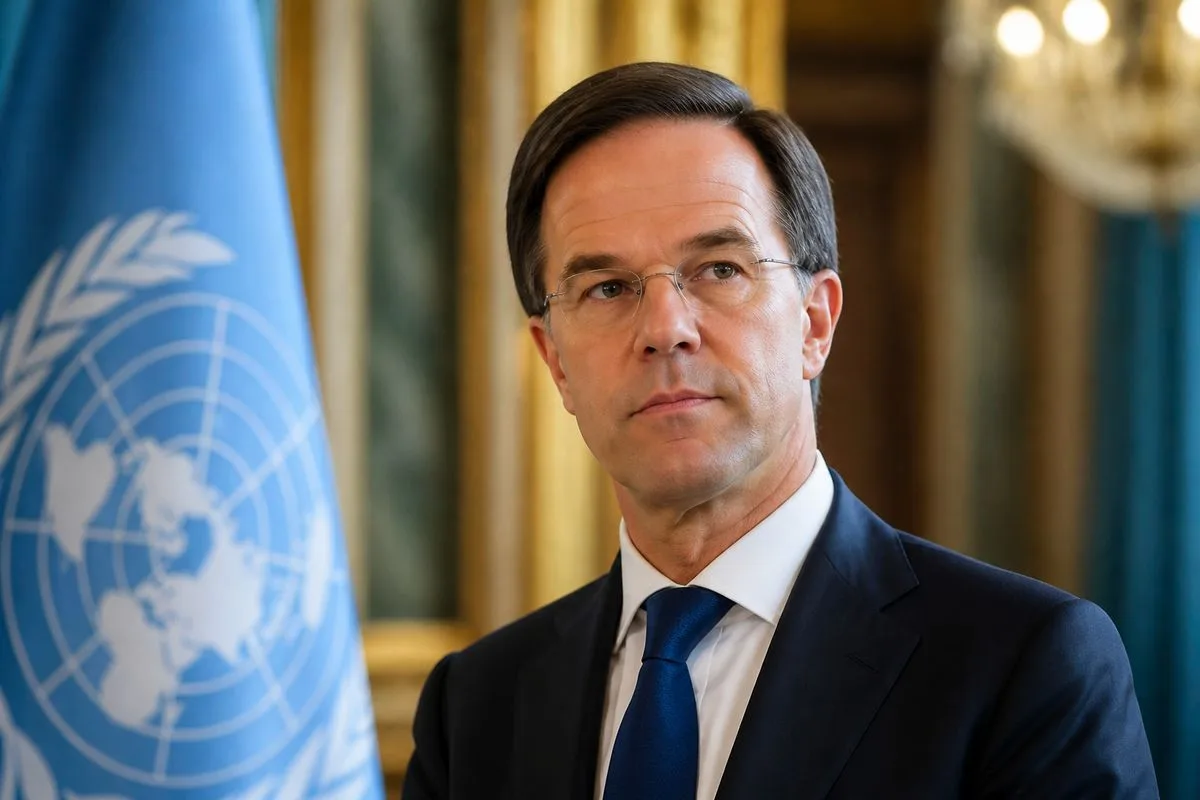
The Diplomat Season 4 lands on Netflix on 15 October 2026
The diplomat is back, and Netflix is not being subtle about the timing. Season 4 arrives on Thursday, 15 October 2026, with all eight episodes dropping at once, according to the release information circulating alongside early coverage and listings. That binge-first approach is familiar by now, but it still shapes how a political drama like this is consumed, less like weekly theatre and more like an overnight referendum.
And the early critical temperature is, frankly, hot. One prominent review calls it “nothing else on TV is as entertaining as this”, and points to a Season 4 backdrop that is about as high stakes as the show gets: a world “poised on the precipice of Big War”, with the situation “almost wholly attributable to the whims of the US president, Grace Penn (Allison Janney)”. That is not a tiny tease, it is a mission statement for the season’s tension.
What makes this particular return feel like an event is that the show has spent three seasons training its audience to expect escalation, then delivering it. The Diplomat is not a procedural where the week resets. It is a pressure cooker. So when Season 4 marketing and reviews lean into the idea of a looming global crisis, viewers who have stuck with it are primed to believe it.
There is also a broader reason people are searching for “the diplomat” right now, and it is worth saying out loud. The phrase points to multiple things: a Netflix drama, yes, but also a long running Asia-Pacific current affairs magazine with the same name. In October 2026, though, the spike in attention is clearly driven by the Netflix series returning, and by the conversation about whether it is “serious” drama, sharp satire, or both (spoiler: it happily plays in the messy middle).


What the Season 4 headlines actually tell viewers
The cleanest confirmed detail in the current wave of coverage is the release pattern: Season 4 arrives on 15 October 2026 and drops all eight episodes at once. That matters because it signals confidence. Netflix tends to keep weekly rollouts for specific franchises or strategic moments. When it drops a whole season of a talky, twisty political drama in one go, it is betting that momentum and word of mouth will do the heavy lifting.
The other concrete detail is the framing of the central threat. The review language about “Big War” and the “whims” of President Grace Penn (played by Allison Janney) is doing two jobs at once. First, it positions the season as an escalation in geopolitical risk. Second, it makes the crisis feel personal, rooted in character and temperament rather than abstract policy. That is very on brand for The Diplomat, which has always treated international relations as something conducted by flawed humans in cramped rooms, not faceless institutions.
It is also notable that the review singles out Grace Penn so directly. Janney’s presence, and the way the show uses her, is a kind of narrative accelerant. A president who can tilt the world towards catastrophe by impulse is a storytelling gift, but it is also a commentary on how fragile systems can be when personalities dominate process. The show is not exactly coy about that theme.
Beyond that, the current source material does not provide a full official cast list for Season 4, nor does it supply plot specifics episode by episode. So any attempt to name new characters, new countries, or new set pieces would be guesswork, and that is not useful. What can be said, with confidence, is that the season is being sold as a high tension continuation of the show’s central appeal: diplomacy as a contact sport.

The Diplomat’s rise: from 2023 breakout to a 2026 heavyweight
The Diplomat premieres on Netflix on 20 April 2023. It quickly becomes the sort of show people recommend with a slightly surprised tone, like they did not expect to be hooked but suddenly they are. In May 2023, Netflix renews it for a second season. Season 2 later premieres on 31 October 2024. Those dates matter because they show the series settling into a rhythm: it is not a one off, it is a continuing investment.
By the time Season 4 arrives in October 2026, the show has had time to become something rarer than a hit. It becomes a reference point. In community discussions, viewers repeatedly describe it as having an “incredible balance of drama and humour”, with a “top notch cast” and a “well paced and developed plot”. That combination is harder than it sounds. Plenty of political dramas can do gravitas. Fewer can land jokes without undercutting the stakes.
There is also a creative lineage that helps explain why it works. Debora Cahn, the creator behind The Diplomat, is widely noted by fans as having written for The West Wing. That is not just trivia for television nerds. It signals a particular kind of craft: dialogue that snaps, institutional detail that feels lived in, and a willingness to let characters argue about policy without turning the audience away. The Diplomat is not The West Wing, but it is clearly in conversation with it.
And then there is the tonal debate that has followed the series since the beginning. Some viewers go in expecting a straight faced political thriller and come out describing it as a “mix of political satire” and drama. That is not a contradiction. It is the point. Real politics is often absurd, even when the consequences are deadly serious. The show’s willingness to sit in that discomfort is part of why it keeps people talking between seasons.
Who is at the centre of the storm in The Diplomat Season 4?
Two names are unavoidable in the current Season 4 conversation. Keri Russell, repeatedly praised by viewers as “perfect” for the show, remains the face most people associate with The Diplomat. Even without fresh cast breakdowns in the available material, the audience expectation is clear: the series lives and dies on Russell’s ability to sell competence, exhaustion, moral compromise, and the occasional flash of fury (sometimes all in the same scene).
The other name is Allison Janney, explicitly highlighted in the Season 4 review as President Grace Penn. The review’s framing, that the world teeters towards war due to the president’s whims, suggests that Penn is not merely a background authority figure. She is an engine of plot. And Janney, with her ability to project warmth one moment and menace the next, is exactly the kind of actor you cast when you want power to feel both human and dangerous.
What is interesting here is how The Diplomat tends to distribute agency. It does not pretend that a single diplomat can “solve” geopolitics. But it also does not treat institutions as stable, self correcting machines. Instead, it shows how decisions are shaped by ego, fear, ambition, and the need to survive the next meeting. In that sense, putting a volatile president at the centre of Season 4’s tension is not a twist. It is a sharpening of the show’s core argument.
There is also a meta layer to the casting conversation. Viewers often compare The Diplomat’s vibe to prestige political dramas of the past, but the show’s cast helps it feel modern. It is not built around one grandstanding hero. It is built around a group of people who are very good at their jobs, and still make a mess of things. That is more believable. And, frankly, more entertaining.
Why The Diplomat still cuts through in 2026
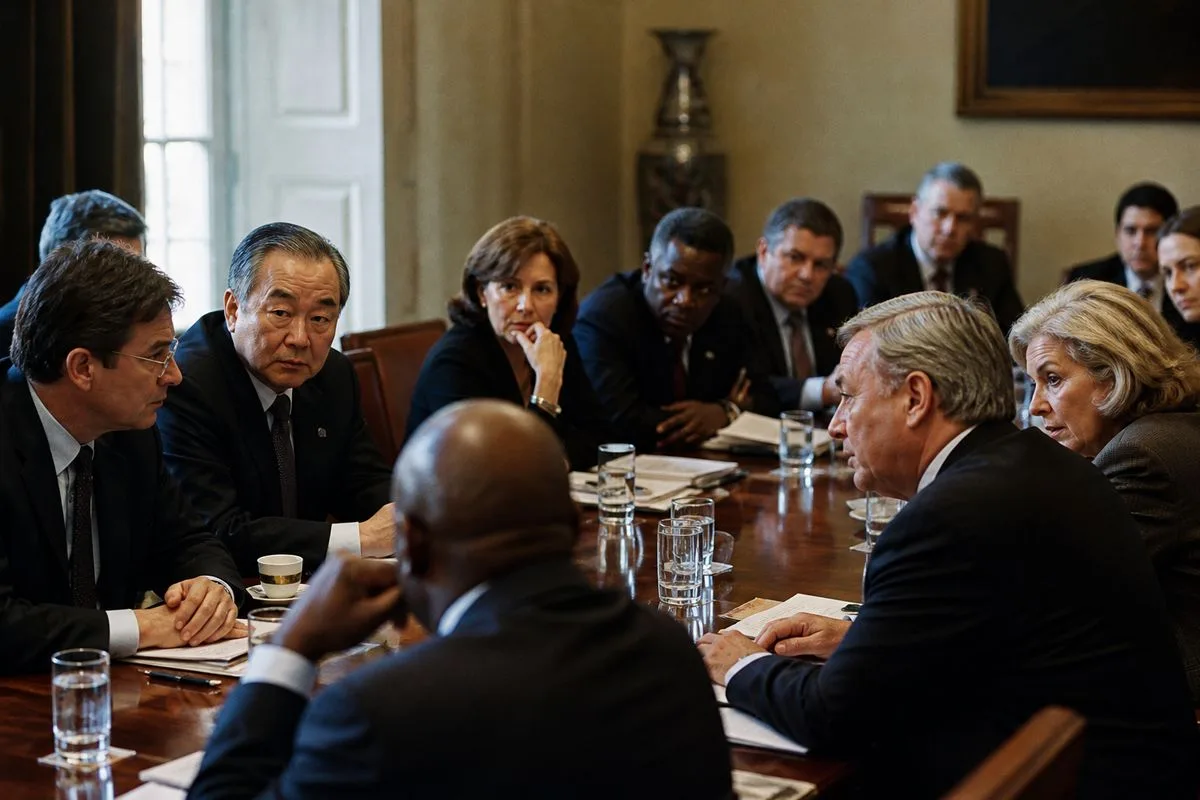
Political TV is everywhere. Most of it is forgettable. The Diplomat endures because it understands something basic: audiences do not just want “issues”, they want systems under stress. Season 4’s “precipice of Big War” framing is a classic stress test. It forces every character to reveal what they value when the stakes are existential and the clock is ticking.
It also helps that the show is comfortable being funny at the worst possible moment. That is not cynicism, it is realism. Anyone who has worked around high pressure institutions will tell you that gallows humour is not optional, it is survival. The Diplomat uses humour the way real people do, to puncture self importance and to keep moving when the alternative is panic.
Then there is the binge release itself. Dropping eight episodes at once changes the way the show is discussed. Instead of a slow build of weekly theories, the conversation becomes a sprint: spoilers, hot takes, character verdicts, and then, often, a second wave of deeper analysis once the noise settles. Netflix is effectively betting that The Diplomat can dominate a weekend, and then linger in the culture afterwards. That is a harder trick in 2026 than it was in 2023, simply because there is so much competing for attention.
And yet, the show has one more advantage: it is not trying to be a documentary. It is trying to be a compelling story about power. That gives it room to be heightened, even a bit operatic, while still feeling emotionally true. Viewers arguing online about “how seriously” it should be taken are, in a way, proving the show’s success. It is landing in that uncomfortable zone where satire and sincerity overlap, which is exactly where modern politics often lives.
The Bigger Picture
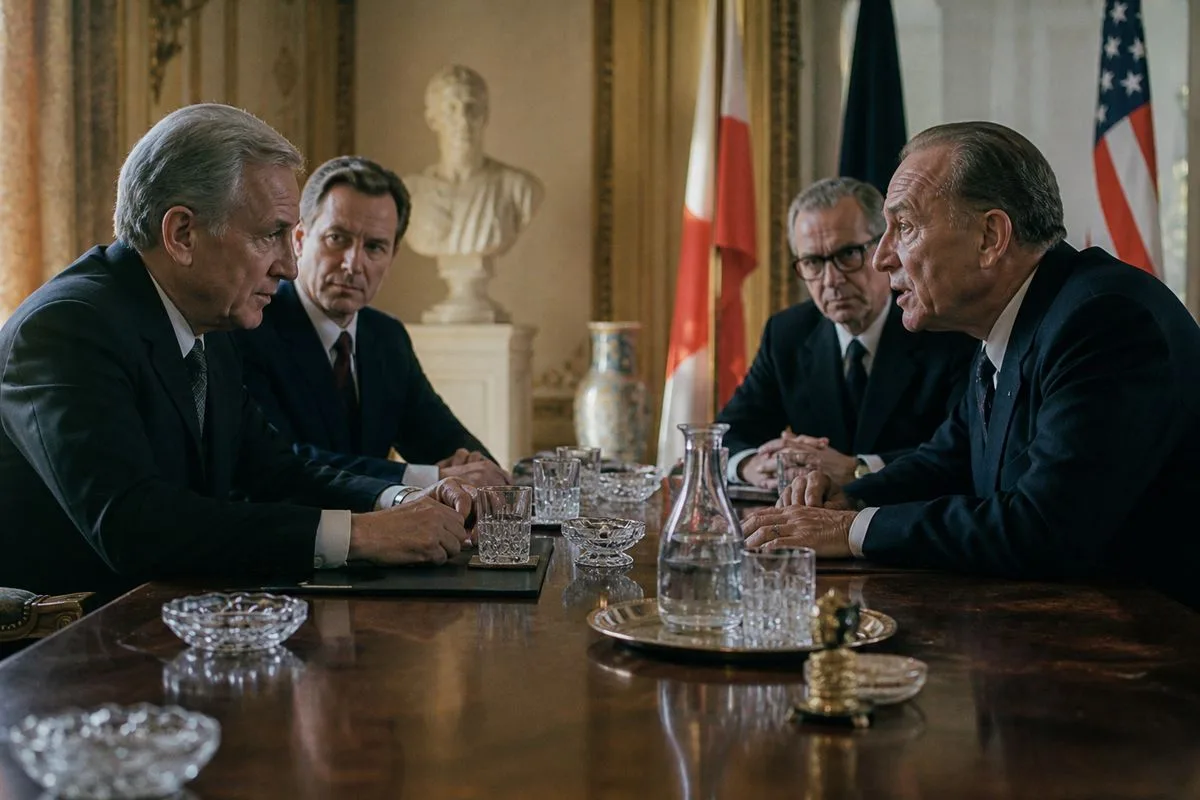
The Diplomat’s Season 4 arrival in October 2026 lands in a media environment that is increasingly allergic to complexity. Algorithms reward outrage and certainty. Politics, in real life, is messy, slow, and full of trade-offs that make everyone unhappy. A show that dramatises negotiation, compromise, and institutional friction should, in theory, struggle. But The Diplomat does the opposite. It makes complexity feel like momentum. Scenes move fast. Dialogue is sharp. And the moral ambiguity is not a lecture, it is the engine.
There is also something quietly subversive about a mainstream hit that treats diplomacy as central drama rather than background texture. For years, screen politics has leaned heavily on intelligence agencies, special forces, and lone wolf heroes. Diplomats, when they appear, are often either saints or fools. The Diplomat insists they are neither. They are operators. They are constrained. They are sometimes compromised. And they are often the last line between a bad decision and a catastrophe. In a world where “strongman” narratives are easy to sell, that is a different kind of power fantasy, one rooted in persuasion and endurance.
Finally, the Season 4 emphasis on a crisis driven by the “whims” of a president taps into a broader anxiety about how modern governance can be bent by personality. The show is not alone in exploring that theme, but it is unusually direct about it. It suggests that institutions are only as stable as the people steering them, and that the distance between a policy disagreement and a global emergency can be uncomfortably short. That is not exactly comforting viewing. But it is compelling, because it feels plausible, and because it forces the audience to think about how power actually behaves when nobody is fully in control.
What to watch for when The Diplomat Season 4 drops
With all eight episodes landing on 15 October 2026, the immediate question is not “will people watch?” but “how will they watch?” Expect two parallel experiences. One group will binge in a single sitting, treating the season like a long film. Another will pace it out, partly to avoid spoilers, partly because the show’s dense plotting rewards breathing room. Netflix’s all-at-once strategy caters to the first group, but The Diplomat’s writing often suits the second.
In terms of story signals, the review’s focus on President Grace Penn hints that Season 4 may spend more time on the top of the pyramid, not just the diplomatic trenches. That shift, if it is real, could change the show’s texture. More Oval Office style volatility means less predictability, and less predictability means more pressure on the diplomats trying to interpret, contain, or redirect the consequences. That is fertile ground for drama, and it fits the show’s obsession with how decisions ripple outward.
It is also worth watching how the series continues to balance satire and sincerity. The community conversation has been consistent for years: people enjoy the humour, but they also want the stakes to feel real. Season 4’s “Big War” framing raises the bar. If the show leans too far into jokes, it risks undercutting the threat. If it leans too far into doom, it risks losing the snap that makes it distinctive. The sweet spot is narrow, but when The Diplomat hits it, it is electric.
And, finally, there is the simple question of longevity. A fourth season in 2026 puts The Diplomat in a different category from the many Netflix dramas that flare up and vanish. It is now a franchise with expectations, a returning audience, and a creative identity. That brings pressure, sure. But it also brings freedom. The show no longer needs to prove what it is. It can just get on with being itself, sharp, tense, funny, and a bit terrifying (in the way politics often is).
Closing thoughts: The Diplomat’s Season 4 moment
The Diplomat does not return in October 2026 as a novelty. It returns as a statement that political drama can still be mainstream entertainment without dumbing itself down. The confirmed basics are straightforward, Season 4 drops on 15 October 2026, eight episodes, all at once. The more interesting part is the promise embedded in the early review language, a world on the edge, and a president whose impulses can tip it over.
For viewers, the appeal is obvious. It is a show that respects attention, rewards close watching, and still knows how to deliver a punchline when the room is suffocating. For the industry, it is a reminder that streaming hits do not have to be built only on spectacle. Tension, character, and institutional detail can still pull a crowd, if the writing is good enough and the cast can carry it. And in 2026, that is a big deal.
So yes, people will search for “the diplomat” today for different reasons. Some will want the magazine. Most will want the Netflix series. Season 4 gives them what they came for, and then, if it does its job, it leaves them arguing about power, accountability, and whether anyone in charge is ever really in control. Fair enough. That is the point.