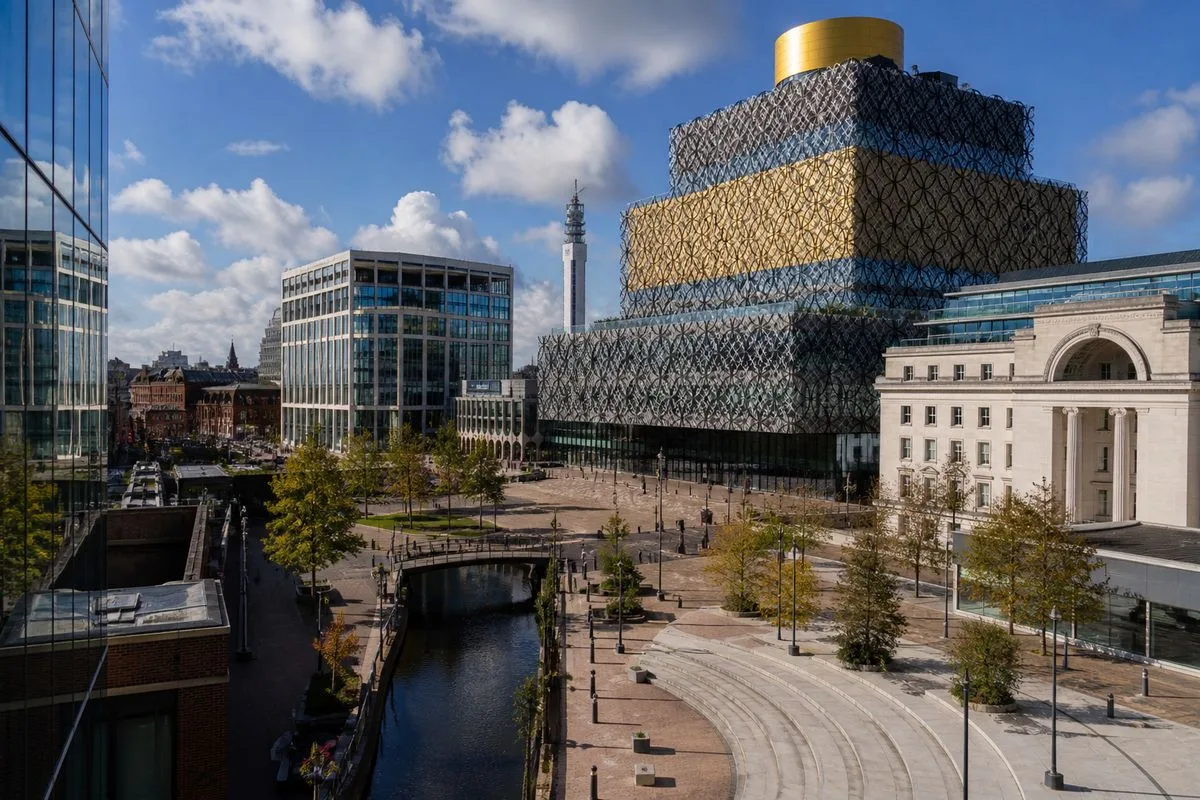
Birmingham news business: a busy November week signals a shifting local economy
The latest birmingham news business picture is not one single blockbuster announcement, it is a cluster of moves that, together, say a lot about where the city’s economy is heading. In the space of a few days in November 2026, Birmingham sees a major national retail brand open its first Alabama store, a well known local restaurant concept relocate into a newly available space, a downtown wine venue close after two years, and a historic cultural site secure a targeted infrastructure grant.
On paper, these are separate headlines. In reality, they are connected by the same forces: consumer spending that is increasingly selective, landlords and operators trying to make locations work harder, and civic and corporate partners putting money into places that can reliably draw footfall. And, crucially, they show Birmingham’s business story in 2026 is not just about shiny new openings. It is also about churn, adaptation, and the unglamorous work of making districts easier to access and more pleasant to visit.
There is also a quieter thread running underneath the week’s news: the role of business membership organisations and relationship building. The Birmingham Business Alliance, through its member services work, positions itself as a connector between the people running local firms and the broader economic ecosystem. That matters because, when the market is choppy, networks and practical support can be the difference between a business that expands and one that quietly disappears.

What happened this week: openings, a move, a closure, and a grant
The most attention grabbing retail development is British fashion brand Boden debuting its first Alabama store at The Summit on 11/12/26. For Birmingham, a first in state opening is a signal that national and international retailers still see the metro as a viable bet, at least in the right centre with the right demographics and tenant mix. It also reinforces The Summit’s role as a magnet for brands that want a high visibility entry point into the market.
On the food and beverage side, Real & Rosemary is reported on 11/12/26 as moving to the former Maple Street Biscuit Co. space in Homewood. Relocations are easy to misread as either a downgrade or a glow up. Often, they are neither. They are a tactical decision about rent, layout, parking, and the simple reality of where customers actually go on a Tuesday night. Taking over a known restaurant footprint can reduce build out costs and shorten the time between signing and serving.
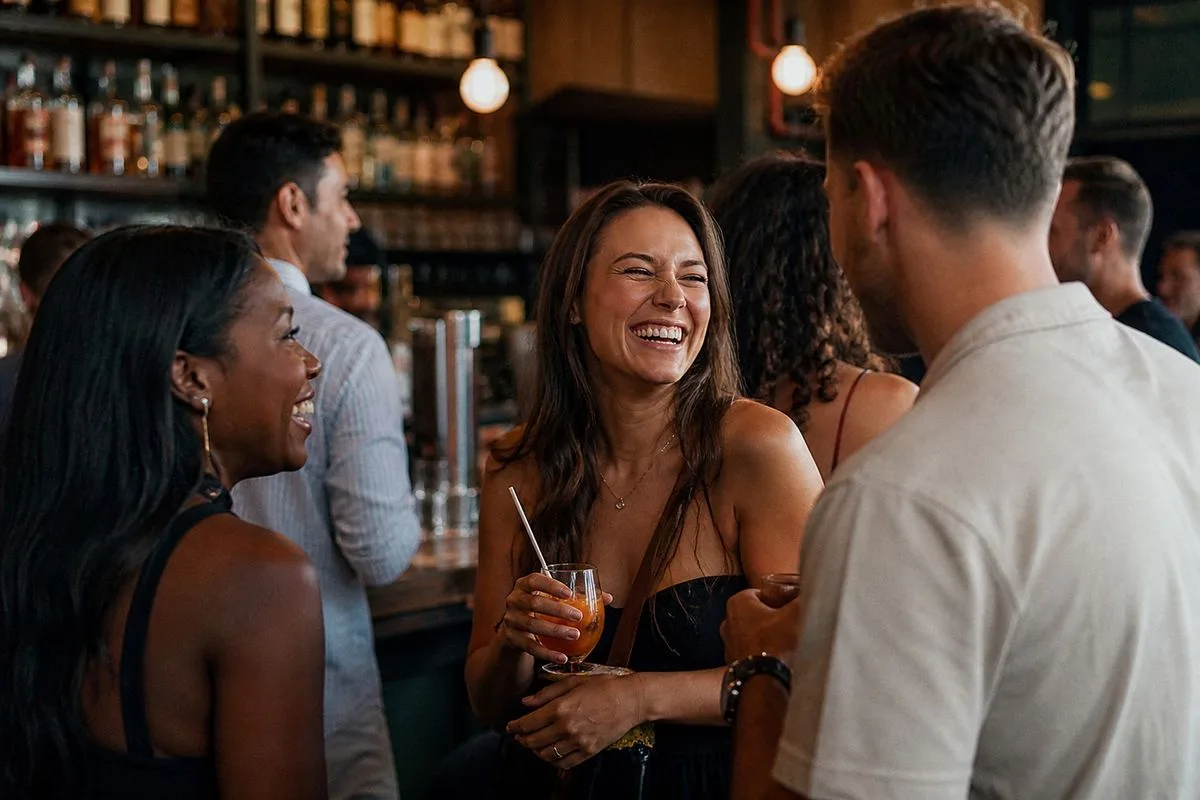
Then comes the less fun bit: Golden Age Wine Garden is reported on 11/11/26 as closing after 2 years in downtown Birmingham. Closures are part of any city’s business cycle, but they carry extra weight downtown, where leaders have spent years trying to build a critical mass of reasons to visit beyond office hours. A wine garden concept closing after two years does not automatically mean the district is failing. But it does underline how hard it is to sustain hospitality venues if foot traffic is inconsistent or if the concept does not match the market’s day to day habits.
Finally, there is a concrete investment in the city’s built environment: Sloss Furnaces receives a $146,460 grant for entrance upgrades from Norfolk Southern, reported on 11/12/26. It is not a huge number in the world of capital projects. But it is the kind of targeted spend that can improve accessibility, visitor flow, and first impressions. And those things, boring as they sound, directly affect attendance, event bookings, and the ability of a cultural asset to generate economic activity.
Who is involved: brands, local operators, and the organisations shaping Birmingham news business
Boden’s arrival matters because it is a recognisable brand with a distinct identity, British, fashion led, and positioned for shoppers who want something a bit more curated than the basics. The source material does not provide store size, hiring numbers, or sales expectations, so it is not possible to quantify immediate economic impact. Still, a first in state store typically comes with local recruitment, local vendor relationships, and a marketing push that can lift the wider centre. And it gives Birmingham another data point in the ongoing question: which retail categories still expand in physical space in 2026?
Real & Rosemary’s move into a former Maple Street Biscuit Co. space is a reminder that the local market is constantly recycling real estate. Restaurant spaces are specialised, they have grease traps, ventilation, and layouts that can be expensive to replicate. When one operator leaves, another can step in faster, if the concept fits. Homewood, in particular, often behaves like its own mini economy inside the metro, with strong neighbourhood loyalty and a steady stream of diners who prefer short trips and familiar streets over a big destination drive.
Golden Age Wine Garden’s closure, meanwhile, is the kind of story that tends to get reduced to a shrug. But it is worth treating as a data point. Downtown hospitality is sensitive to seasonality, event calendars, and the broader mix of nearby businesses that either feed it customers or do not. A venue can be well run and still struggle if the surrounding ecosystem does not deliver consistent demand. The source material does not state the reasons for the closure, so any claim about rent levels, staffing, or sales would be speculation. What can be said is that two years is long enough to test a concept through multiple seasons, and short enough to suggest the model did not reach the stability it needed.
And then there is the connective tissue: the Birmingham Business Alliance. In a member services introduction written by Makina Winters, she identifies herself as the Member Services Manager and describes the core of the role as getting to know the people who run the businesses that make the area what it is. The excerpt provided is brief, but the implication is clear. Business growth is not just about incentives and ribbon cuttings. It is also about relationships, peer learning, and making sure operators know what support exists when they hit a wall.
What the mix of headlines says about Birmingham’s business climate in late 2026
Put the week’s developments together and a pattern emerges: Birmingham’s economy is experiencing simultaneous expansion and contraction, often in the same sectors. Retail can still attract new entrants, especially in established centres like The Summit. Food and beverage continues to reshuffle, with operators moving to optimise location and cost. And downtown remains a place of opportunity, but not a guaranteed win, particularly for concepts that rely on discretionary spending and repeat visits.
There is also a geography lesson here. The Summit represents a polished, destination retail environment. Homewood represents a walkable, community oriented commercial fabric where restaurant moves can be strategic rather than dramatic. Downtown represents the higher variance bet, with potentially big upside during peak event periods, but more exposure to swings in footfall. Businesses are, in effect, voting with their leases on where they think demand will be most reliable.
Sloss Furnaces receiving a $146,460 grant for entrance upgrades adds another dimension: the role of place making and visitor experience in economic development. Cultural and heritage assets are not just nice to have. They are part of the city’s brand, and they can be anchors for events, tourism, and adjacent spending. Entrance upgrades sound minor, but they can reduce friction for visitors, improve accessibility, and make the site more inviting for first timers. In a competitive leisure market, those details matter.
And, quietly, the Business Alliance’s emphasis on member relationships hints at a pragmatic approach to economic resilience. When businesses face churn, whether that is relocating, expanding, or closing, the availability of networks and support can influence outcomes. It is not exactly groundbreaking to say relationships matter. But in 2026, with costs and customer expectations both high, it is a big deal.
Why It Matters
The temptation with local business coverage is to treat openings as “good news” and closures as “bad news”. Real life is messier. Boden opening at The Summit is a win, yes, but it also raises the bar for neighbouring retailers and for local brands trying to compete for the same wallet. A new entrant can pull more shoppers into the centre, but it can also concentrate spending among a smaller set of “destination” tenants. That is great for the centre’s headline health, but it can squeeze the middle, the smaller shops that rely on casual browsing rather than deliberate trips.
Golden Age Wine Garden’s closure is not just a single business story, it is a signal about how downtown leisure spending is behaving. If a concept built around social drinking and ambience cannot sustain after two years, the question is not simply “what went wrong?” It is “what does downtown reliably deliver week in, week out?” Cities that thrive after hours tend to have layered demand: residents, office workers, students, tourists, and event goers. When one layer is thin, the others can compensate. Birmingham’s challenge, suggested by this kind of churn, is to keep building that layered base so venues are not living and dying by the calendar.
And Sloss Furnaces’ grant points to something that often gets overlooked in business reporting: small capital improvements can unlock disproportionate economic value. A $146,460 entrance upgrade will not transform a city on its own. But if it improves flow, safety, and accessibility, it can increase attendance, broaden the audience, and make it easier to programme events. That, in turn, supports vendors, nearby hospitality, and the city’s wider reputation. The unsexy stuff, signage, entrances, access, is frequently what determines whether people come back.
Historical context: Birmingham’s long running cycle of reinvention
Birmingham has spent decades learning how to reinvent itself, from its industrial legacy to a more diversified economy where hospitality, retail, culture, and small business growth play a bigger role in day to day vibrancy. The Sloss Furnaces story sits squarely in that arc: a historic industrial site functioning as a cultural asset that still needs investment to stay relevant and welcoming. It is a reminder that heritage is not self sustaining. It has to be maintained, interpreted, and made accessible to modern audiences.
The retail story also fits a longer pattern. Birmingham’s strongest retail nodes tend to be the ones that offer a complete experience, easy parking, a strong tenant mix, and a sense of safety and convenience. The Summit has been that kind of node for years, and Boden choosing it for a first Alabama store reinforces the idea that, even as e commerce evolves, physical retail still clusters in proven locations. Brands do not typically take their biggest risks in untested corridors when entering a new state.
Hospitality churn, meanwhile, is nothing new. Restaurants and bars have always faced high failure rates, and concepts come and go as tastes shift. What is different in the mid 2020s is the intensity of competition and the speed at which customers move on to the next thing. A venue needs a clear identity, consistent service, and a reason for repeat visits. Downtown districts everywhere have had to work harder to create that repeat behaviour, not just rely on occasional big nights.
Homewood’s steady appeal, reflected in Real & Rosemary’s move, also has precedent. Neighbourhood commercial districts often outperform in uncertain times because they are embedded in daily routines. People still need lunch spots, coffee, and reliable places to meet friends. When discretionary spending tightens, convenience and familiarity can beat novelty. That is not glamorous. But it is durable.
What to watch next for Birmingham news business
First, watch whether Boden’s opening triggers a broader wave of brand interest in Birmingham, or whether it remains a one off. The source material does not list other incoming retailers, so any prediction should be cautious. Still, first in state openings tend to be watched closely by other brands. If the store performs, it becomes a case study. If it does not, it becomes a warning sign. Either way, it will influence leasing conversations.
Second, pay attention to the knock on effects of Golden Age Wine Garden’s closure. The key question is what replaces it, and how quickly. A fast backfill can indicate landlord confidence and strong demand for the space. A long vacancy can signal the opposite. It also matters what kind of concept comes next. Another nightlife venue would suggest continued belief in downtown’s evening economy. A different use might suggest operators are looking for more stable, daytime driven revenue.
Third, Sloss Furnaces’ entrance upgrades are worth tracking beyond the initial grant headline. The business impact of cultural infrastructure spending is often realised through programming, events, and partnerships that follow. If the upgrades make it easier to host larger events or improve visitor satisfaction, that is where economic value shows up. Not in the grant amount itself, but in what it enables.
Finally, the Birmingham Business Alliance’s member services focus is a reminder that the next set of business headlines will likely come from the relationships being built now. Member organisations often surface early signals, expansion plans, hiring intentions, and pain points before they become public news. In a city where the business community is relatively connected, that behind the scenes work can shape what Birmingham looks like in 2027.
Closing thoughts: growth, churn, and the practical work of building a stronger city economy
This week’s Birmingham business headlines do not offer a neat storyline. They offer something more realistic. A city economy in motion. Boden’s first Alabama store at The Summit shows Birmingham can still attract notable retail investment. Real & Rosemary’s move in Homewood shows local operators are actively optimising for the market they have, not the market they wish they had. Golden Age Wine Garden’s closure shows downtown hospitality remains a tough game, even for concepts that sound like they should work. And Sloss Furnaces’ $146,460 grant shows that targeted improvements to civic assets are still part of the economic toolkit.
The bigger takeaway is that Birmingham’s business health in late 2026 is best measured in systems, not single headlines. Retail nodes, neighbourhood districts, downtown footfall, cultural anchors, and business networks all interact. When one part strengthens, it can lift the rest. When one part weakens, the strain shows up elsewhere. That is the real birmingham news business story right now: not just who opens and who closes, but how the city keeps adjusting to make growth more likely, and failure less final.