
China’s latest headlines point to a familiar mix: high diplomacy, tech anxiety, and a country that never sits still
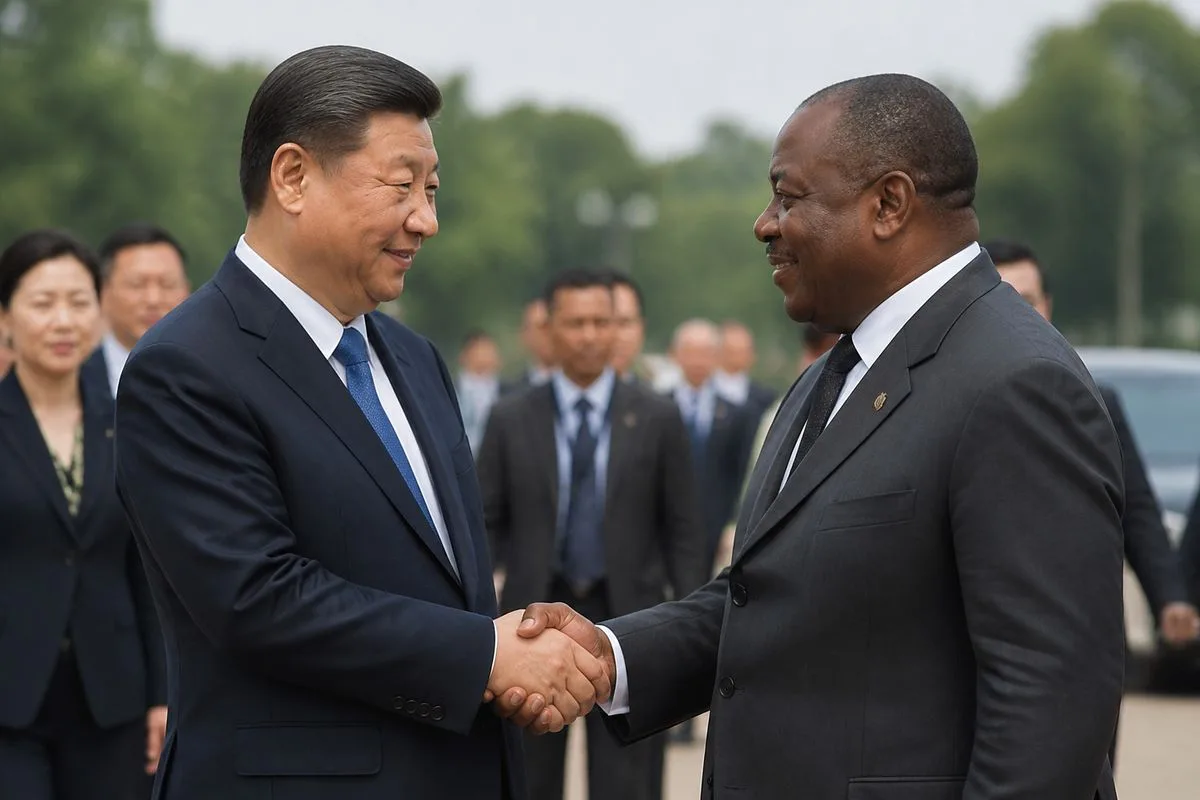
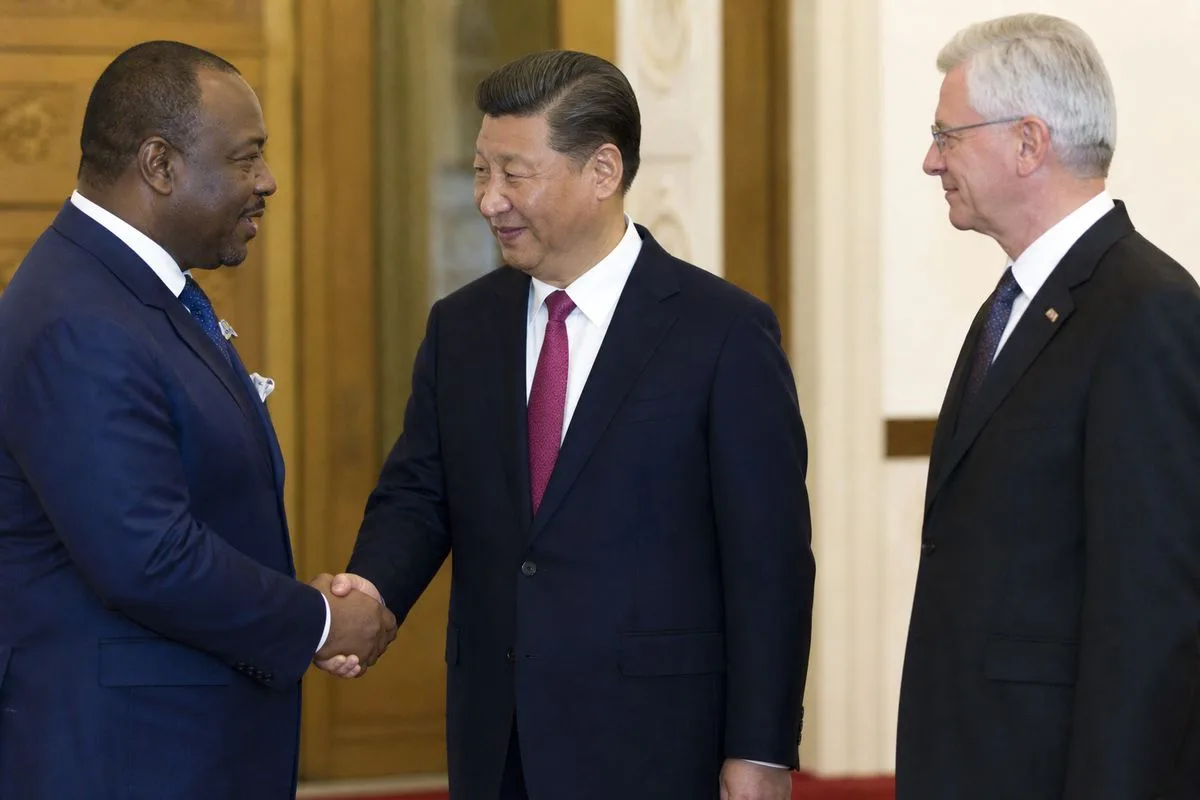
China is back in the global news cycle in a way that feels both routine and oddly tense. On the one hand, the official readouts are all handshakes and state visits: President Xi Jinping holds talks with Gabon’s President Brice Clotaire Oligui Nguema, and meets Austria’s Chancellor Christian Stocker, according to the Ministry of Foreign Affairs of the People’s Republic of China. On the other hand, the wider media ecosystem is buzzing about technology and security, including a report that Nvidia’s chief executive was a possible target of a Chinese spy plot, as flagged in a headline roundup about Xi and China’s tech advances.
Put those strands together and a pattern emerges. China is simultaneously projecting steadiness through formal diplomacy while being pulled into a more jagged conversation about chips, corporate exposure, and espionage fears. None of this is new, fair enough. But the way these stories sit side by side in late 2026 tells its own story about where China’s relationships are deepening, where they are fraying, and why technology keeps turning ordinary business decisions into geopolitical events.
It is also worth being clear about what the available source material does and does not say. The headlines and snippets point to meetings, themes, and a security related allegation, but they do not provide detailed transcripts, dates beyond “latest”, or hard numbers. So the analysis here sticks to what is evidenced by the material, and then builds context around it without pretending there is more certainty than there is.

What the current China developments actually are, and why they land together
The most concrete developments in the source material are diplomatic. China’s foreign ministry highlights two engagements involving Xi Jinping: talks with Gabonese President Brice Clotaire Oligui Nguema, and a meeting with Austrian Chancellor Christian Stocker. These are not random diary entries. They signal that China is actively tending relationships across two very different theatres: Africa, where Beijing has spent years building influence through trade, infrastructure, and political ties, and Europe, where the relationship is more complicated, more regulated, and more openly contested.
Alongside that, the media headline stream frames China through a technology and security lens. One item mentions a “new report” suggesting Nvidia’s CEO was a possible target of a Chinese spy plot. The source material does not give the CEO’s name, the alleged method, or the evidentiary basis. But the mere presence of that headline in the same breath as “China’s tech advances” is telling. In 2026, China’s tech story is not just about innovation, it is about access, control, and suspicion, and those three things are now inseparable in much of the public conversation.
Then there is the broader framing from a major policy research organisation: China is described as having a growing military that rivals the United States, being the world’s second largest economy, and running steadfast soft power campaigns. Again, no numbers are provided in the snippet, but the positioning matters. It reinforces that, for many analysts, China is not a single topic. It is a bundle of power attributes, economic weight, military capability, and narrative influence, all moving at once.
China’s diplomacy in 2026: why Xi’s meetings with Gabon and Austria matter
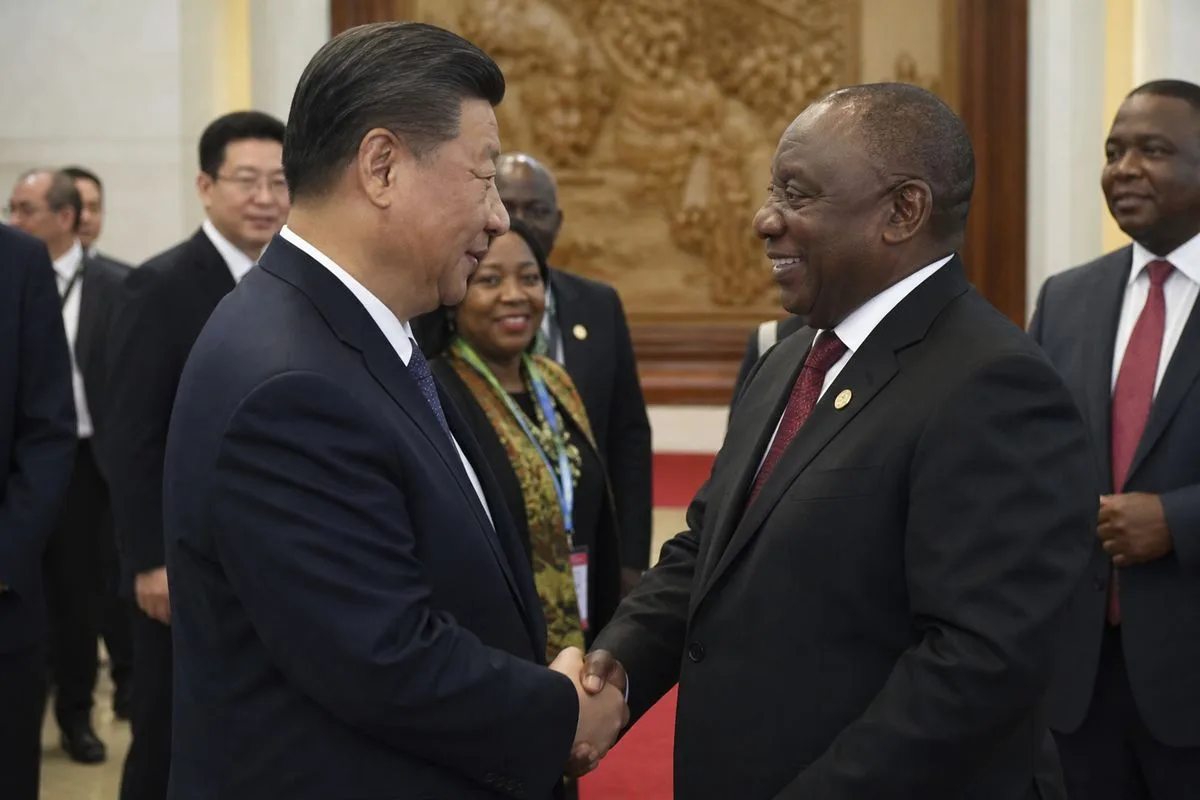
Start with Gabon. The foreign ministry’s emphasis on Xi holding talks with President Brice Clotaire Oligui Nguema is a reminder that China’s Africa policy remains a pillar, not a side project. Even without the meeting agenda in the source material, the logic is familiar: African partnerships are where China can secure commodity supply chains, expand markets for Chinese firms, and build political goodwill in multilateral forums. And, crucially, these relationships often come with fewer public conditions than those demanded by Western lenders and institutions.
But it would be simplistic to treat this as a one way story of Chinese influence. African governments have agency, and they bargain hard. They want investment, infrastructure, and technology transfer, but they also want room to manoeuvre. A high level meeting signals that both sides see value in keeping the relationship warm, especially at a time when global financing conditions and commodity cycles can turn quickly.
Now Austria. Xi meeting Chancellor Christian Stocker, again per the foreign ministry, points to China’s continued effort to engage European states directly, even as Europe debates how to “de risk” from Chinese supply chains. Austria is not the EU’s biggest player, but that is not the point. China often works through a mosaic of bilateral relationships, looking for pragmatic cooperation in trade, investment, and industrial policy, while trying to prevent a fully unified European front on issues like technology restrictions and strategic dependencies.
And there is a subtle narrative element here too. China’s official communications tend to foreground stability, mutual respect, and continuity. High level meetings are part of that theatre. They say: China is open for business, China is a serious diplomatic actor, and China is not isolated. In 2026, that message is not just branding, it is a strategic counterweight to the security driven framing that dominates many Western headlines.
China and the tech security narrative: why a headline about Nvidia resonates so loudly
The Nvidia related headline matters because it sits at the intersection of three sensitive topics: semiconductors, corporate leadership, and espionage. The source material only states that a report says Nvidia’s CEO was a possible target of a Chinese spy plot. It does not confirm the claim, and it does not provide detail. Still, the resonance is obvious. Nvidia is widely associated in public debate with advanced computing hardware and the infrastructure that underpins modern AI. So any suggestion of targeting, even at the level of “possible”, instantly becomes a proxy story about who controls the future of computing.
For China, the chip story has become a long running pressure point. Restrictions, export controls, and supply chain chokepoints have turned semiconductors into a strategic vulnerability and a national priority. For the United States and some allies, the concern is that advanced chips and AI capability can translate into military and intelligence advantages. For companies, it is messier. They are stuck between compliance regimes, market incentives, and the simple fact that China remains a huge part of the global technology ecosystem, whether policymakers like it or not.
There is also a media dynamic at play. Diplomatic meetings are predictable and, frankly, easy to ignore unless something dramatic happens. A spy plot headline is the opposite: it is sticky, it travels, and it reinforces a pre existing narrative that China is not just a competitor but a security challenge. That does not make the allegation true or false. It just explains why this kind of story shapes perceptions so quickly, and why it can overshadow slower moving realities like trade negotiations or investment flows.
And it feeds back into policy. When public discourse is saturated with security concerns, governments find it easier to justify tighter controls, and harder to argue for engagement. That is how a single headline, even without full detail in the public domain, can become part of the atmosphere that businesses and diplomats have to operate in.
Understanding China’s power profile: economy, military growth, and soft power campaigns
One of the supplementary sources frames China as the world’s second largest economy, with a growing military that rivals the United States, and “steadfast soft power campaigns”. That triad is useful because it captures how China’s influence works in practice. Economic scale gives China leverage in trade and investment. Military modernisation changes the strategic calculus in Asia and beyond. Soft power efforts, whether through media, cultural outreach, or development partnerships, aim to shape how China is perceived and how international norms evolve.
But these elements do not always pull in the same direction. A strong economy can make partners more willing to cooperate, but it can also make them more wary of dependency. Military growth can deter adversaries, but it can also alarm neighbours and drive balancing coalitions. Soft power campaigns can build familiarity, but they can also trigger scepticism if audiences see them as propaganda. China’s challenge in 2026 is not simply to accumulate power, it is to convert power into durable influence without provoking a backlash that cancels out the gains.
This is where the diplomatic headlines become more than diary notes. Meetings with leaders from Africa and Europe can be read as part of a broader effort to keep China’s external environment manageable. Not necessarily friendly, not always aligned, but at least workable. In a world where technology and security issues can escalate quickly, maintaining a wide network of relationships is a form of risk management.
And, importantly, China is not operating in a vacuum. Other major powers are also running their own influence campaigns, tightening their own controls, and courting the same partners. The difference is that China’s rise has been so rapid, and its system so distinct, that every move is interpreted through a lens of strategic intent, sometimes fairly, sometimes not.
How online conversations about China complicate the picture, and why that matters
The supplementary community sources, including discussions in r/China and travel focused China communities, are not official evidence of policy. But they are a window into how the China story is lived and argued about in real time. One r/China snippet shows a Chinese language post expressing disappointment with US internet platforms and referencing the 2019 Hong Kong protests and subsequent violence, including claims about economic losses and casualties. The source material does not provide verification for those figures, so they cannot be treated as established fact here. Still, the emotional tone is the point: online discourse about China is often shaped by grievance, identity, and competing narratives of legitimacy.
Meanwhile, travel communities focus on practicalities. A snippet from a China travel subreddit mentions ordering food to a seat using an Alipay mini app, and running into a local phone number requirement, which the user claims to bypass by entering a fake number. That tiny anecdote is oddly revealing. It shows how China’s highly digitised consumer systems can be both impressive and exclusionary, frictionless for locals, frustrating for outsiders. And those everyday frictions can influence perceptions just as much as grand strategy does.
Why does this matter for understanding China in 2026? Because reputation is now co produced. Governments speak, companies act, but publics interpret, remix, and argue. A diplomatic meeting might be framed as partnership by one audience and as influence buying by another. A tech security headline might be seen as a legitimate warning by some and as politically motivated by others. The result is a more fragmented information environment where China’s image is contested constantly, not settled by any single narrative.
And that feeds back into policy and business decisions. Tourism, academic exchange, investment appetite, and even consumer brand choices can be influenced by these ambient perceptions. It is not exactly groundbreaking to say “narratives matter”, but in China’s case the narrative battlefield is unusually intense, and it shapes real world outcomes.
A closer read of what these China headlines suggest for 2027 planning in business and policy
Take the three strands together, Xi’s diplomacy, tech security anxieties, and the broader framing of China as a near peer power, and a practical implication emerges: organisations planning for 2027 cannot treat China as a single risk category. They need a split screen view. Diplomatic engagement can be expanding at the same time as technology restrictions tighten. Market opportunities can coexist with compliance hazards. And reputational risk can spike because of a headline, even if underlying commercial conditions have not changed overnight.
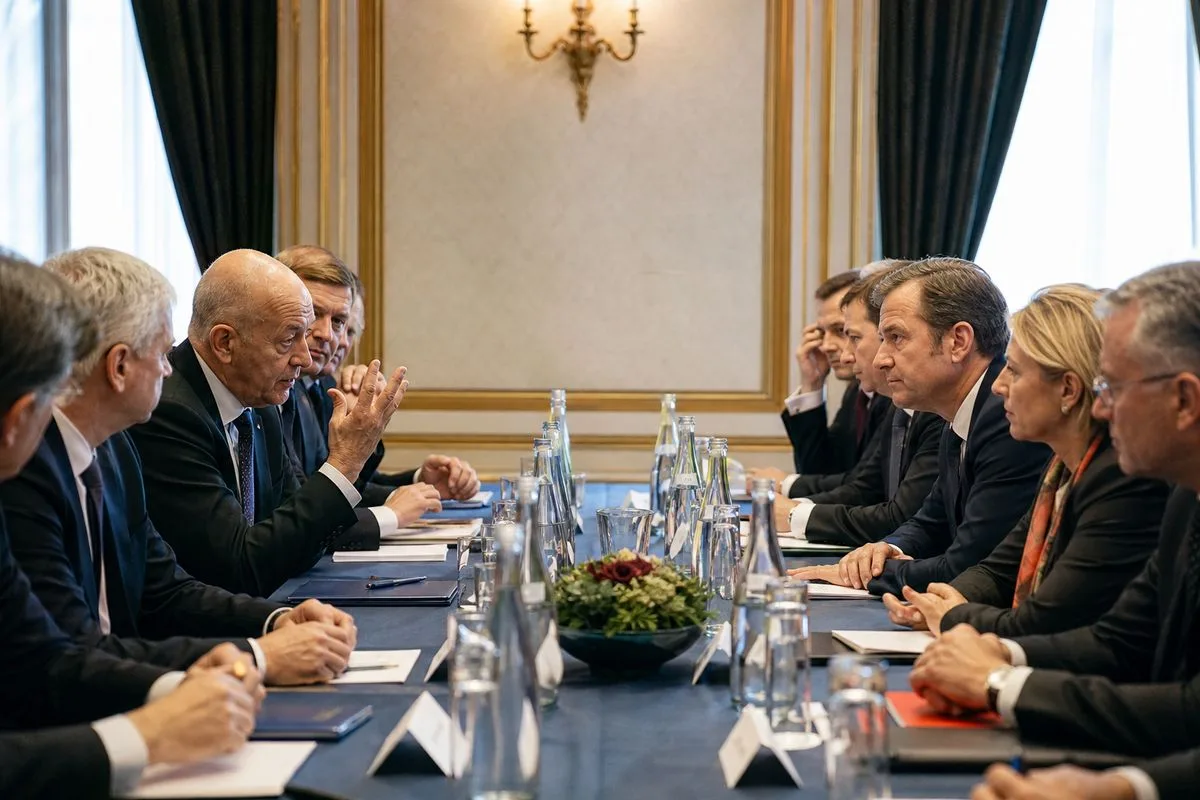
For European governments and firms, the Austria meeting is a reminder that China will keep pushing for bilateral pragmatism. That can create openings for trade and investment, but it also tests Europe’s internal cohesion. If one country leans into engagement while another hardens its stance, businesses face a patchwork of political expectations. For African partners, the Gabon talks highlight that China remains committed to high level engagement, but African states will likely continue diversifying partners to avoid over reliance on any single external power.
For the technology sector, the Nvidia headline, even without detail in the source material, underscores how executive security and corporate counterintelligence have become board level issues. Companies operating across the US China divide are increasingly forced to think like geopolitical actors, whether they want to or not. That means more investment in security, more scrutiny of partnerships, and more careful messaging to avoid being pulled into national political fights.
And for policymakers, the lesson is that signalling matters. Diplomatic meetings are signals. Security headlines are signals. Research framing about military growth and soft power is also a signal. The risk is misreading them, overreacting to noise, or underreacting to slow moving structural change. The opportunity, if there is one, is to build policy that is clear eyed: competitive where necessary, cooperative where possible, and realistic about the fact that China is not going anywhere.
Where this leaves China’s global story in late 2026
China’s current news cycle, as reflected in the supplied material, is not dominated by a single dramatic event. It is dominated by accumulation. Another set of leader level meetings. Another set of tech and security anxieties. Another round of analysis describing China as a heavyweight across economy, military, and influence. That accumulation is the story. It shows a country that is deeply embedded in global systems, even as parts of the world try to redraw the boundaries of that embedding.
It also shows the dual track nature of China’s external posture. The official track is diplomacy, stability, and partnership language. The unofficial, or at least non official, track is suspicion, allegations, and competitive framing, especially around technology. Both tracks shape outcomes. Ignoring either one leads to bad forecasts.
And there is a final point that is easy to miss. The most consequential shifts in China’s global position often happen not in a single summit or scandal, but in the slow recalibration of expectations. Businesses quietly adjust supply chains. Governments quietly rewrite screening rules. Universities quietly tighten collaboration protocols. Travellers quietly learn which apps work and which do not. Over time, those quiet adjustments can reshape the relationship as much as any headline grabbing confrontation.
So, in late 2026, the question is not whether China is influential. It clearly is. The question is what kind of influence it will be allowed to have, where it will be welcomed, where it will be resisted, and how skilfully China navigates a world that increasingly treats technology as strategy and strategy as everyday life.