Emma Vardy returns to BBC Breakfast, and yes, viewers notice the fringe
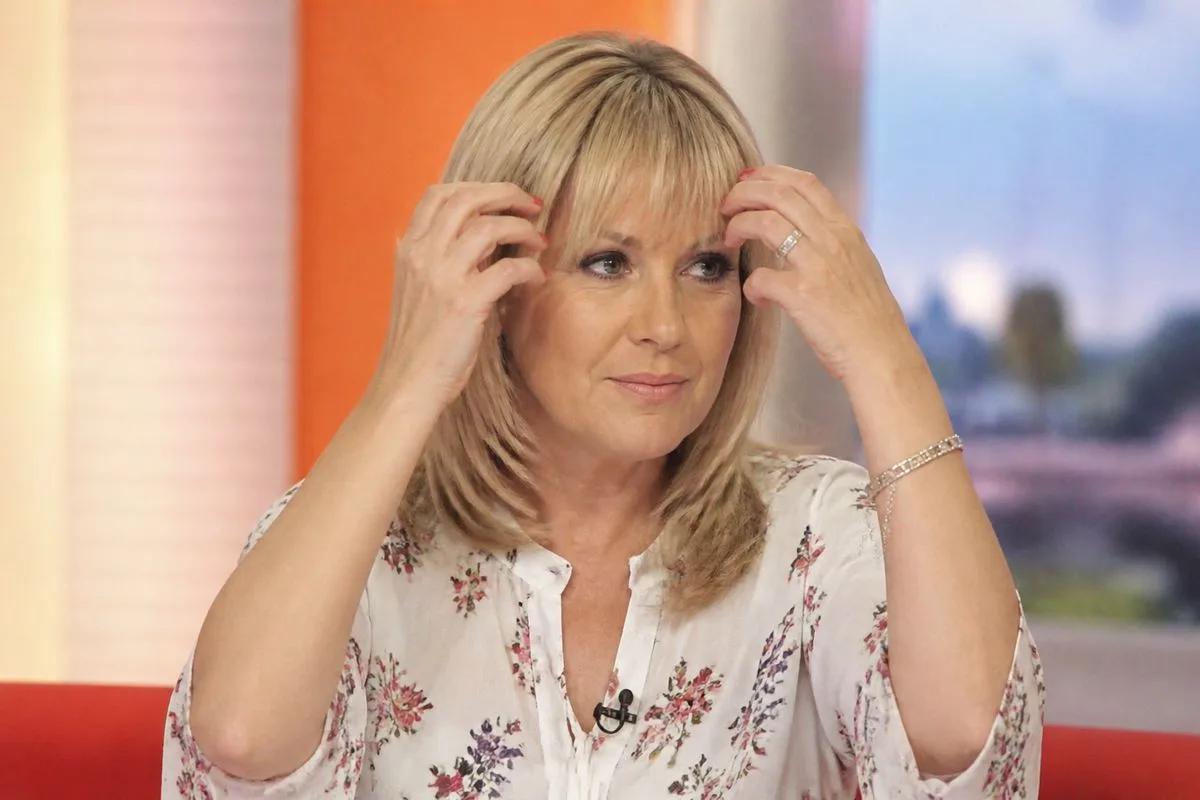
Emma Vardy is back on BBC Breakfast, and the detail that grabs the most attention is not a breaking line from Westminster or a complex explainer on the economy. It is her hair. Specifically, a new fringe, spotted as she returns to the BBC’s flagship morning programme on Monday 9 November 2026, according to the coverage and the wider chatter that follows these things.
That might sound trivial. But it is also completely predictable. Breakfast television is intimate by design, it is the soundtrack to kitchens, commutes, and half read headlines. Presenters become familiar faces in a way that evening bulletins do not quite replicate. And when a familiar face changes, even slightly, audiences clock it instantly. In this case, Emma Vardy’s return becomes a small media moment in its own right, with viewers reacting to her on screen look as much as her journalism.
The only snag is that the primary scraped source for this story, an Arabic language site titled Emma Vardy Returns to BBC Breakfast With New Fringe, does not provide accessible article text because it is blocked behind an automated security check. So the hard details about what was said in that piece, who was quoted, and what exactly was claimed are not available from that source material.
Even so, the broader shape of the story is clear from the supplementary material: Emma Vardy returns to host or present on BBC Breakfast, viewers comment on her transformation, and the moment feeds into a bigger conversation about visibility, familiarity, and the strange little feedback loop between broadcast news and audience culture.

What the headlines actually tell us about Emma Vardy’s BBC Breakfast appearance
The headlines in circulation frame this as a return, not a debut. That matters. It suggests Emma Vardy is already known to the BBC Breakfast audience, and that her reappearance is notable enough to be written up as a discrete item. One supplementary headline describes fans being “distracted” as a “popular star returns to host show”, while another says a “BBC Breakfast favourite” debuts a “transformation” on Monday 9 November 2026. The transformation, in this telling, is the fringe.
There is also a recurring line in the supplementary snippets that Emma Vardy is an award winning BBC correspondent with 15 years of experience presenting across flagship TV and radio programmes. That is not a trivial credential, and it helps explain why her return registers. Viewers are not reacting to a random stand in. They are reacting to someone with an established on air presence and a track record that, at least in the way it is described, spans major stories and multiple formats.
What is missing, because the primary scraped article is inaccessible, is the editorial core you would normally expect: what role she plays on the programme that day, which segments she fronts, and whether the BBC positions it as a one off, a short run, or something more regular. Without that, it would be wrong to claim she has taken over a permanent slot or that there is a formal change in the presenting line up. The available material supports “she returns on 9 November 2026” and “viewers notice a new fringe”. Anything beyond that needs firmer sourcing.
Still, the fact that the story travels at all tells its own story. In 2026, the boundary between “TV moment” and “online conversation” is thin. A presenter’s look, a small change in styling, even a slightly different cadence on the sofa, can become the hook that pulls casual readers into a piece that is, ultimately, about a journalist doing their job.
Who is Emma Vardy, and why her on air presence draws attention
Emma Vardy is presented across the supplementary sources as a BBC journalist and correspondent, and also as a presenter and moderator. Her Instagram bio, as captured in the search snippet, describes her as a BBC journalist, a mum of two boys, and someone focused on storytelling on air and adventuring off it. That is a very 2020s kind of professional identity: credible newsroom role, plus a personal framing that audiences recognise and respond to.
Her LinkedIn snippet describes her as the BBC’s Ireland Correspondent, covering both Northern Ireland and the Republic of Ireland. That is a serious beat, and it is one that demands a mix of political literacy, sensitivity, and the ability to switch between fast moving breaking news and slower, more contextual reporting. It also suggests she is not simply a studio presenter, she is a reporter with a patch, which tends to carry weight with audiences who care about journalistic authority.
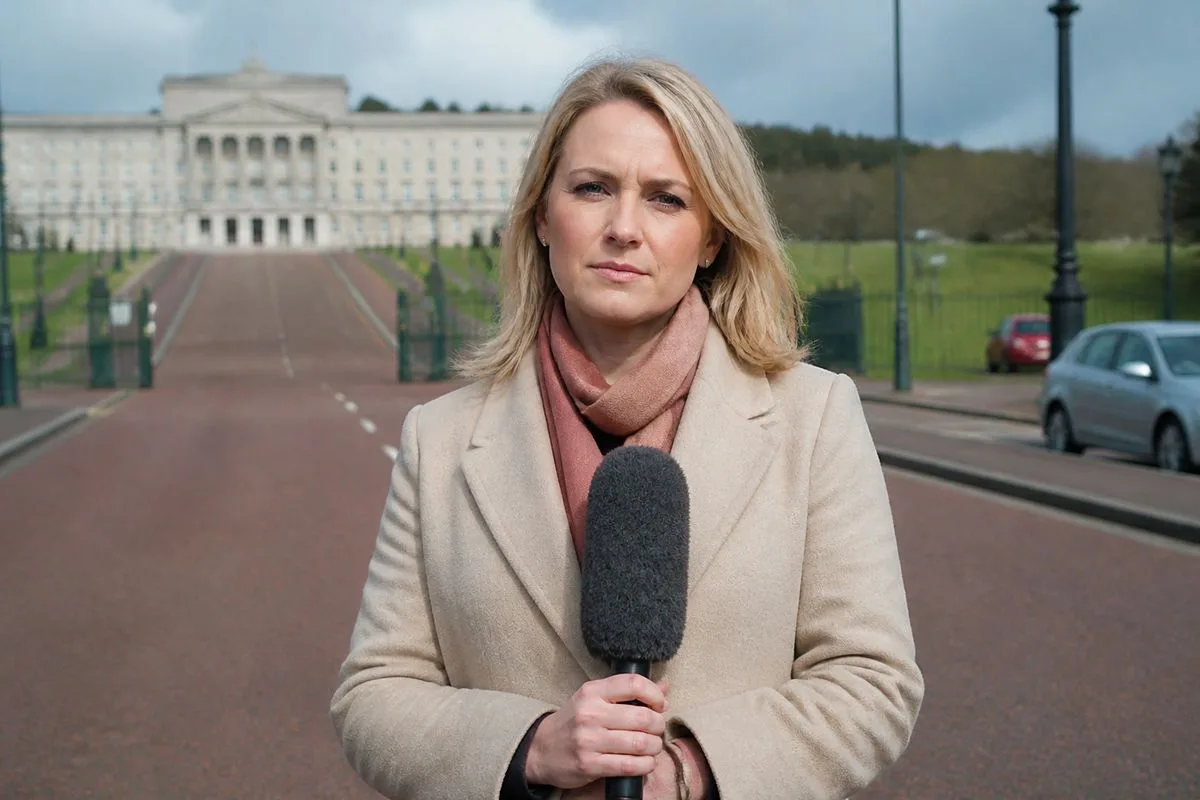
There is also community discussion that places her in other roles. A Reddit thread from October 2025 discusses whether she is “here to stay” on BBC Breakfast, describing her as a predominant business presenter over a period. Another community comment from January 2025 refers to her as the BBC’s correspondent for Los Angeles. Reddit is not a formal source of record, and it should not be treated as proof of current job titles. But it does show something useful: viewers and online communities already associate Emma Vardy with both studio presenting and location based reporting, and they have been watching her career moves for a while.
Put all that together and the picture is fairly coherent. Emma Vardy is a recognisable BBC journalist with experience across different beats and formats, and she has enough visibility that a return to BBC Breakfast prompts coverage. The fringe is the hook, but the underlying reason it lands is familiarity. People feel like they know her, or at least they know her role in their morning routine.
Emma Vardy on BBC Breakfast: why a “small” return becomes a story
It is tempting to roll eyes at a headline built around a hairstyle. But the mechanics are worth unpacking, because they explain a lot about how television news is consumed in 2026. BBC Breakfast is not just a bulletin, it is a daily relationship. The show runs in the background while people make tea, check the weather, and half listen to politics. That kind of viewing creates a different bond. Presenters become part of the furniture, in the nicest possible way.
So when Emma Vardy returns, the audience reaction is not purely about journalism. It is about continuity. It is about whether the show feels the same. And yes, it is about appearance, because television is a visual medium and always has been. A fringe is a small change, but it is also a signal. It says “something is different today”. For some viewers, that is fun. For others, it is distracting. Either way, it becomes talkable.
There is also a more strategic media point here. Entertainment style coverage of news presenters often functions as a gateway. Someone clicks because they noticed the fringe, or because they vaguely recognise the name, and then they are reminded that the person in question is an experienced correspondent. That is not exactly groundbreaking, but it is how attention works now. Soft hooks pull people into harder information.
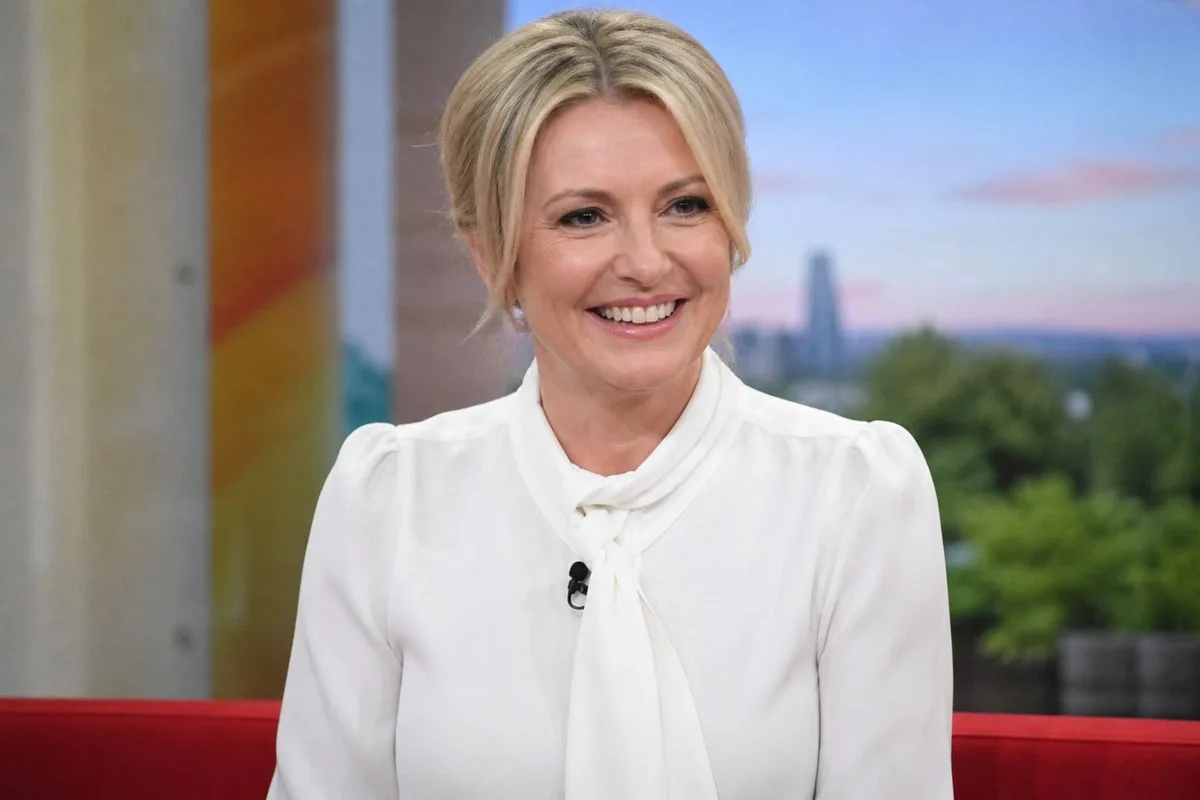
And there is a professional reality behind it too. Presenters and correspondents are increasingly expected to be “public facing” across platforms, whether they like it or not. A return to a major programme is not just a shift on a rota, it is a visibility event. It affects audience recognition, future bookings, and the internal perception of who is connecting with viewers. Nobody at the BBC will say it is about hair. But everyone understands that audience connection is built from a thousand tiny cues, including how comfortable and confident someone looks on the sofa at 7.30am.
The BBC presenter pipeline in 2026: correspondents, sofa shifts, and audience familiarity
Emma Vardy’s return also fits a broader pattern in UK broadcasting. The BBC, like other major networks, increasingly uses a flexible on air bench. Correspondents rotate into studio roles, presenters step into reporting assignments, and familiar faces move between programmes. Partly that is about resilience, covering leave and schedule gaps. Partly it is about keeping talent visible. And partly it is about building trust: audiences like recognising the person telling them what is happening.
The supplementary material hints at this flexibility. One snippet describes Vardy as having experience across politics, business, sport, and major stories across the UK and US. Another positions her as a presenter and correspondent. That kind of range is valuable in a breakfast format, where the running order can jump from international news to consumer issues to a live interview in minutes. A journalist who can handle different registers, and do it without sounding like they are reading from a script, is gold dust.
There is also a subtle point about the BBC’s brand. BBC Breakfast is often where the corporation’s tone is most visible: friendly but serious, informal but not sloppy, accessible without being patronising. When a journalist like Emma Vardy returns to the programme, it is not just about filling a slot. It is about reinforcing that tone. Viewers who already know her from other reporting contexts may bring that trust with them.
Historically, this is not new. Breakfast TV has always relied on personality and consistency. But the difference in 2026 is the speed of feedback. Audience reaction is immediate, public, and amplified. A fringe becomes a trending talking point because people comment in real time, and outlets then write up the reaction. It is a loop, and it is not going away.
What this moment reveals about audience culture, gender, and the scrutiny of TV journalists
There is an uncomfortable edge to stories like this, and it deserves saying plainly. Female broadcasters are still judged more harshly, and more frequently, on appearance than male counterparts. A new haircut on a male presenter might get a passing mention. On a female presenter, it can become the headline. That does not mean audiences are malicious. It means cultural habits persist, even among people who would swear they are above it.
In Emma Vardy’s case, the “new fringe” framing is light and arguably affectionate. But it also shows how quickly professional work can be sidelined by aesthetic commentary. That matters because it shapes what the public thinks the job is. Journalism becomes “being on telly”, rather than the reporting, editorial judgement, and preparation behind the scenes. And for younger journalists watching, it sends a message about what will be noticed first.
At the same time, it would be simplistic to pretend appearance is irrelevant in television. It is part of the medium. The key question is balance and tone. Does the coverage treat the presenter as a professional who happens to have changed their hair, or as a style object who happens to read the news? The supplementary headlines lean towards the former, but they flirt with the latter. “Fans distracted” is a loaded phrase, even if it is meant playfully.
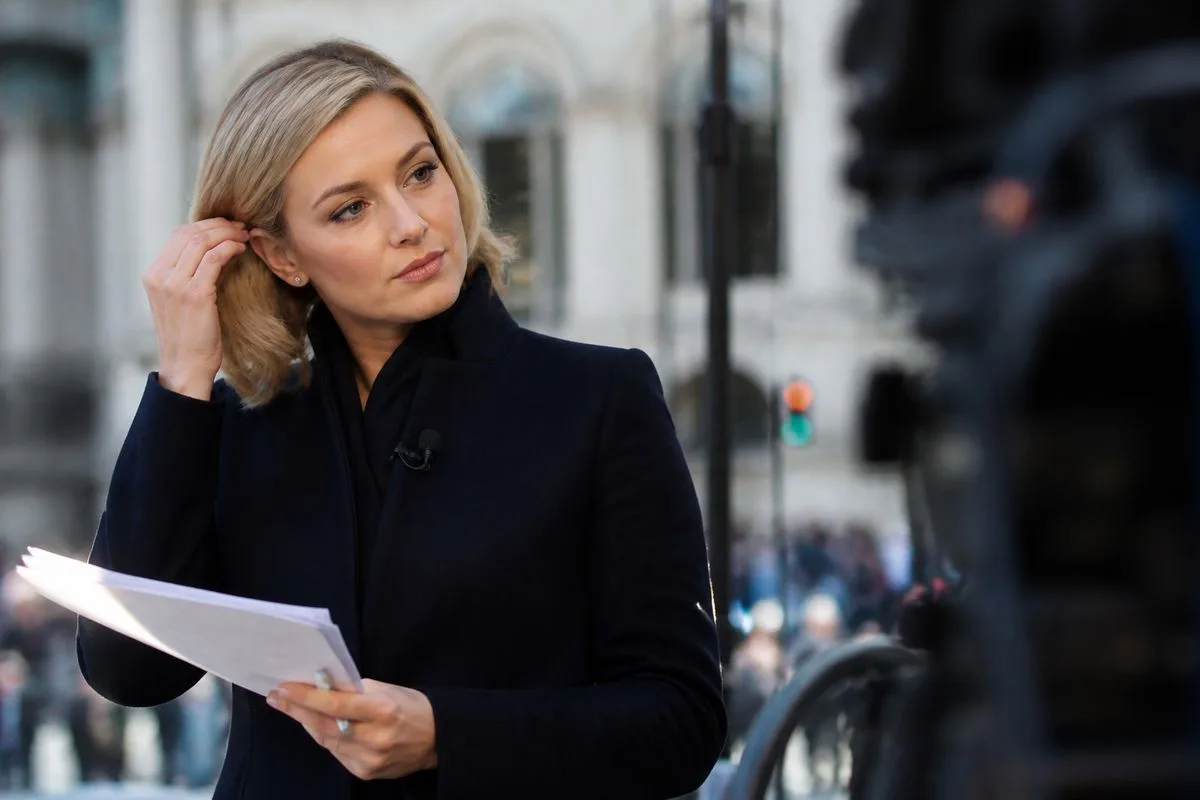
There is also a more modern twist: many journalists now curate their own public persona on social platforms, whether that is through behind the scenes posts, family life snippets, or travel and “off duty” content. Emma Vardy’s Instagram bio, as captured in the snippet, leans into that blend of professional and personal. That can be empowering, because it lets journalists define themselves. But it can also widen the surface area for commentary. When audiences feel they know you, they feel entitled to comment on you. Fair enough, to a point. But it is a big deal when it starts to overshadow the work.
Industry implications: what Emma Vardy’s return says about trust, talent, and the BBC’s on air strategy
Zooming out, Emma Vardy’s BBC Breakfast return is a small case study in how the BBC maintains trust in a fragmented media environment. The corporation competes not just with other broadcasters, but with endless streams of online video, podcasts, and influencer led commentary. In that landscape, recognisable journalists are an asset. They are human anchors. When viewers trust the person, they are more likely to trust the information, even when the news is messy or uncertain.
That is why these “return” moments matter internally, even if they look fluffy externally. A successful run on breakfast television can raise a journalist’s profile dramatically. It can also test whether they can carry a programme’s tone, handle live interviews, and recover smoothly when something goes wrong, because something always goes wrong. If Emma Vardy is being used more frequently on the sofa, it may reflect confidence in her ability to do exactly that. The available source material does not confirm a long term change, so it is best described as a plausible interpretation rather than a stated fact.
There is also a talent management angle. The BBC has to develop and retain presenters who can work across TV, radio, and digital formats. The supplementary sources describe Vardy as a moderator and presenter as well as a journalist, which suggests she fits that multi platform mould. In 2026, that versatility is not a bonus, it is the job. A correspondent who can report, present, host panels, and communicate clearly on social media is simply more valuable.
And then there is the audience side again. The fact that people talk about her fringe is not just gossip, it is engagement. Engagement is not the same as trust, but it can be a pathway to it. If viewers are paying attention to Emma Vardy, they are at least watching. The BBC, like every broadcaster, needs that attention to keep public service media relevant. The trick is ensuring the attention ultimately lands on journalism, not just aesthetics.
Closing thoughts: Emma Vardy’s fringe is the hook, but the story is about visibility
Emma Vardy’s return to BBC Breakfast on 9 November 2026 lands as a minor media story because it combines three things that reliably travel: a familiar face, a recognisable programme, and a visible change. The fringe is the easy headline. But underneath it is a more interesting reality about how broadcast journalism works now, and how audiences relate to it.
There is limited hard reporting available in the primary scraped source because the article text is blocked by a security check, so it is not possible to responsibly quote it or claim details it may contain. What can be said, based on the accessible supplementary material, is that Vardy is a well established BBC journalist and presenter, and her reappearance on the breakfast sofa is notable enough to prompt coverage and conversation.
And perhaps that is the point. In 2026, visibility is part of the job, whether journalists like it or not. The public notices the fringe, sure. But they also notice the calm delivery, the authority, the ability to make sense of a complicated story before most people have finished their first coffee. If Emma Vardy keeps returning to BBC Breakfast, the hair will stop being news. The familiarity will not.