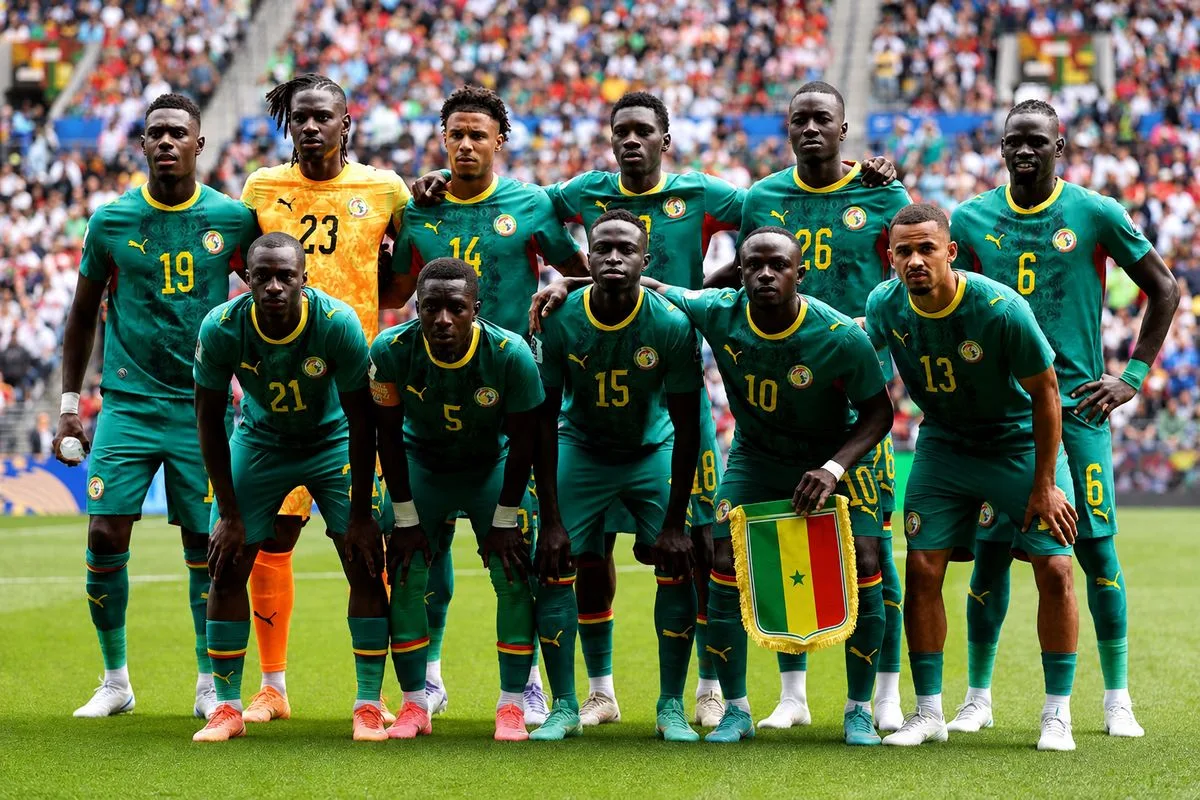
Ethiopia vs Senegal sets an early tone in the 2027 AFCON qualifiers
Ethiopia vs Senegal is not just another group game, even this early in the 2027 Africa Cup of Nations qualifiers. It lands on Tuesday, 29 September 2026, with both sides already feeling the squeeze after Matchday 1 failed to deliver a win. Sudan sit top of Group J with three points, and that simple fact changes the temperature of this fixture. It turns a routine away trip into something sharper, more urgent, and a bit more revealing.
The match takes place at Bahir Dar Stadium in Bahir Dar, Ethiopia, with kick off listed at 4 p.m. local time. For viewers in the United States, coverage information in the source material points to an 8:50 a.m. ET start time and a broadcast on beIN SPORTS Xtra, with streaming availability via Fubo. Athlon Sports also notes a 9 a.m. ET time, which suggests minor schedule rounding in listings rather than a meaningful discrepancy. Either way, the point is the same: it is a morning kick off for US audiences and a key afternoon occasion in Ethiopia.
And it matters because both teams arrive with unfinished business. Ethiopia open with a 1 0 defeat away to Sudan. Senegal, playing away as well, draw 1 1 with Mozambique in Patrick Vieira’s first competitive match in charge. Two away games to start a campaign is not ideal for anyone, but it is especially awkward when the group leader has already banked points. There is no panic yet, but there is pressure, and it is the kind that can shape a qualifying run before it really gets going.
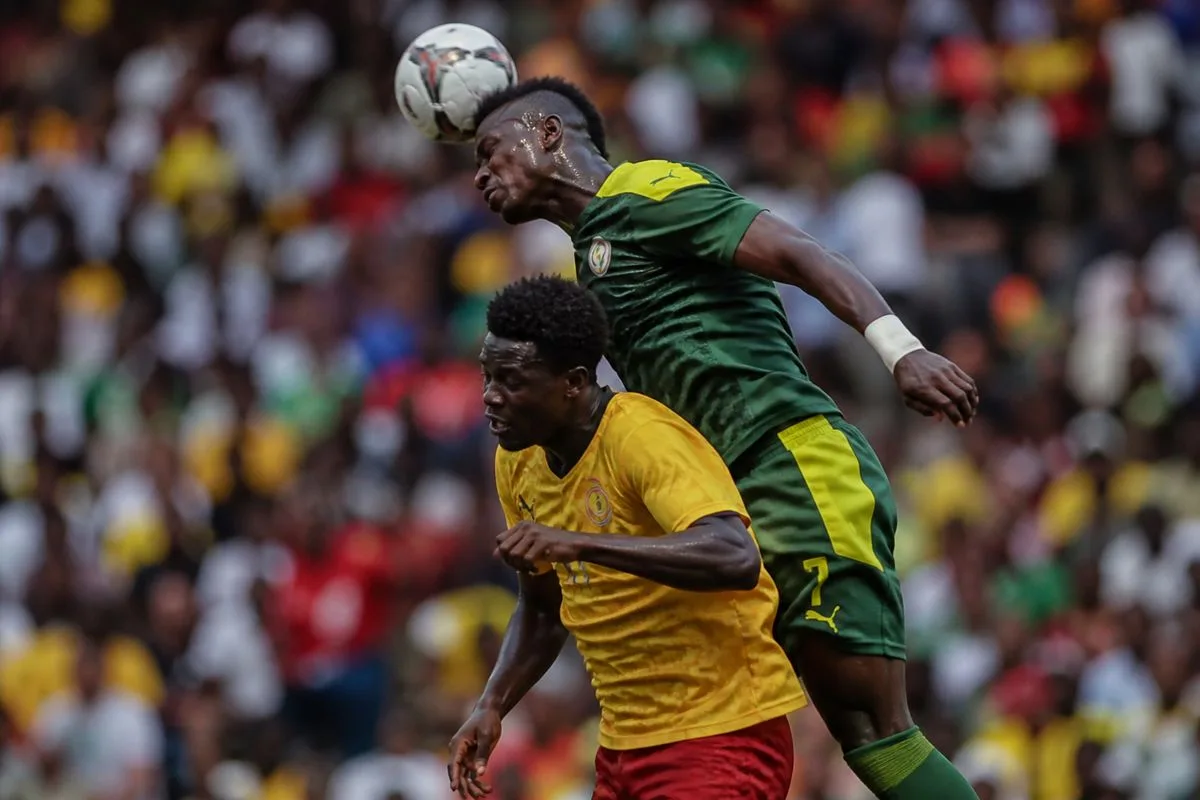

Ethiopia vs Senegal match details, timing, and how fans watch
This Ethiopia vs Senegal qualifier is framed in the source material as a Group J meeting in the 2027 AFCON qualifying campaign. The venue is Bahir Dar Stadium, and the date is fixed: Tuesday, 29 September 2026. Fubo lists the start time as 8:50 a.m. ET, while Athlon Sports lists 9 a.m. ET, both pointing to the same broadcast window. Locally in Ethiopia, Athlon Sports states a 4 p.m. kick off.
For television viewers in the United States, the match is carried on beIN SPORTS Xtra, according to the viewing information provided. Streaming is available through Fubo, with the usual caveat that regional restrictions may apply. Athlon Sports also indicates that the match is available in other countries through select TV channels and streaming services, but does not specify which ones. That lack of detail is worth noting because it reflects the reality of AFCON qualifying coverage: it is improving, but it is still fragmented, and fans often have to hunt around depending on territory.
What is clear is the competitive context. Ethiopia come in without a point after losing 1 0 to Sudan, with the decisive goal scored by Mohamed Eisa in the 86th minute. Senegal also drop points, conceding an equaliser to Mozambique just before half time after taking the lead through Nicolas Jackson in the 32nd minute. Those moments, late concessions and momentum swings, are exactly what coaches obsess over in qualifying. They are also the moments that tend to decide whether a campaign feels calm or chaotic.
How Ethiopia arrive: defensive resilience, but goals are the problem
Ethiopia’s opening match sets up a familiar qualifying storyline. The Walias manage to stay level for most of the contest away to Sudan, only to concede late and lose 1 0. Conceding in the 86th minute is not just frustrating, it is instructive. It suggests the defensive structure holds for long stretches, but concentration, game management, or simply fatigue becomes an issue when the match tightens. In qualifying, that is the difference between a point and nothing.
Fubo’s summary of the Sudan match also hints at the bigger challenge: Ethiopia need to create more offensive opportunities. That is not a throwaway line. Against stronger opponents, especially a Senegal side that typically expects to control territory, Ethiopia cannot rely on keeping things tight and hoping for a single break. They need sequences of play that move the ball into dangerous areas, and they need to do it often enough that Senegal have to respect it. Otherwise, the match becomes one way traffic, and eventually the dam breaks.
Playing at Bahir Dar Stadium should help, at least in terms of familiarity and atmosphere. Home qualifiers can be a different sport entirely, with crowd energy and local conditions shaping tempo and decision making. But home advantage only goes so far if the attacking plan is too cautious. Ethiopia’s task is to turn that defensive effort, which clearly exists, into something more balanced. Not reckless. Just more ambitious.
How Senegal arrive: Patrick Vieira’s first real test, and no Sadio Mané
Senegal’s storyline is louder, and it starts with the man on the touchline. Patrick Vieira takes charge and immediately begins “freshening up” the squad with younger players, according to Athlon Sports. The opener in Mozambique ends 1 1, and while a draw away is not disastrous, it is not what Senegal expect from themselves. This is a team that measures success in trophies and tournament runs, not in respectable away points.
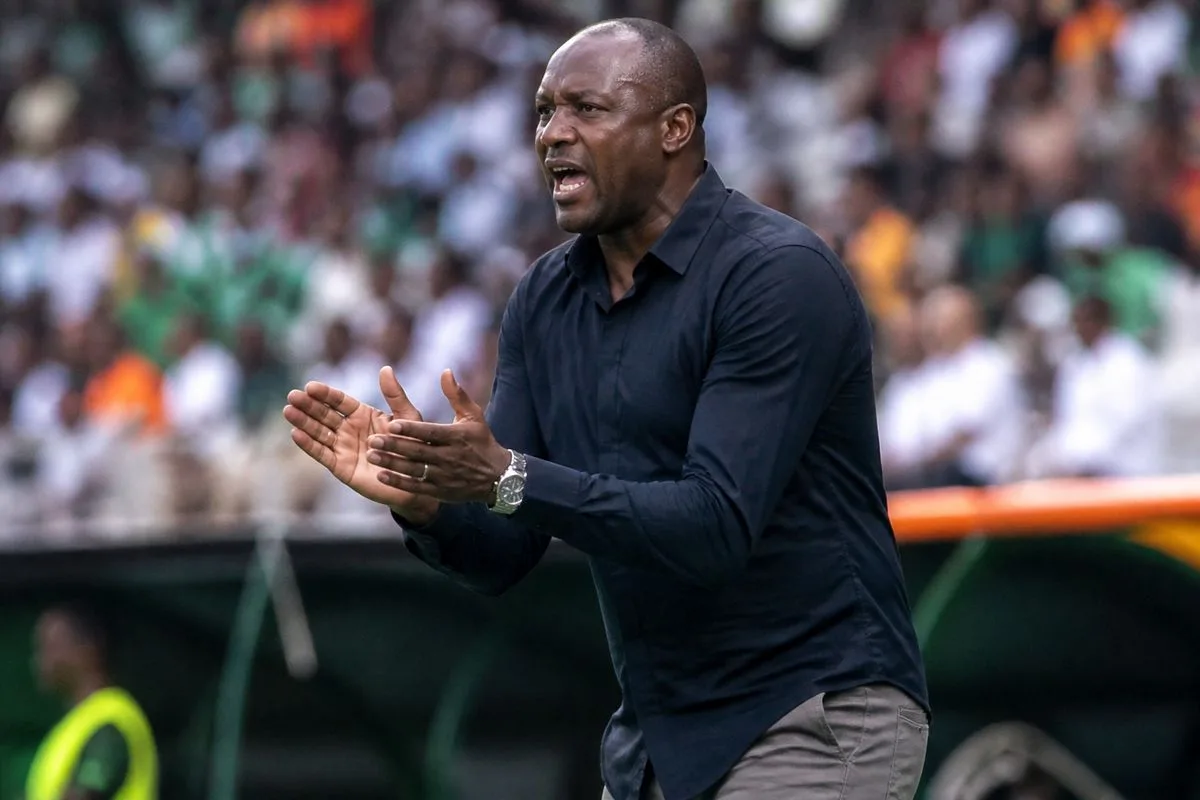
The opener also provides a neat snapshot of what Vieira inherits. Senegal score first, with Nicolas Jackson putting them ahead in the 32nd minute. Then they concede just before half time, with Geny Catamo levelling for Mozambique. That pattern, strong start, lapse before the break, is the sort of thing a new coach will seize on. It is not about blaming individuals in public. It is about setting standards, drilling the details, and making it clear that control has to last 90 minutes, not 30.
Then there is the absence that changes the feel of Senegal’s attack. Sadio Mané is left out of Vieira’s squad due to a physical issue, per Fubo. That is a big deal, even if Senegal have depth. It shifts responsibility onto players like Jackson, Iliman Ndiaye and Ismaila Sarr, who are explicitly mentioned as carrying more of the load. And it also changes how Ethiopia can defend. Without Mané, Ethiopia may feel they can compress space a little more aggressively, or at least focus their attention differently.
Athlon Sports also flags Lamine Camara and Moussa Niakhate as available, noting they were part of the 2026 World Cup. The source material does not provide further detail on their roles in that tournament, but the point stands: Vieira is working with players who have already been on a major stage. That matters in qualifiers, where the emotional rhythm can be strange. One week it is a must win, the next it is a long trip and a scrappy pitch. Players with tournament experience tend to cope better with that.
Ethiopia vs Senegal and the tactical tension: control versus disruption
Ethiopia vs Senegal is, on paper, a classic qualifying contrast. Senegal want to impose themselves, dominate territory, and convert attacking quality into goals. Fubo explicitly frames Senegal’s aim as turning “territorial and attacking quality into three points on the road”. Ethiopia, meanwhile, come off a match where their defensive effort keeps things level for most of the game. That sets up a tactical tension that is simple to describe but hard to execute: Senegal try to control, Ethiopia try to disrupt.
For Senegal, the key question is what “control” looks like under Vieira. A new coach often brings a new rhythm, sometimes more intensity, sometimes more structure. The supplementary material references Vieira saying Senegal will apply intensity against Ethiopia, but the scraped source material does not provide the full quote or tactical specifics. Still, the direction of travel is clear. Vieira is not there to maintain the status quo. He is there to reshape it, and qualifiers are where those changes get stress tested.
Without Mané, Senegal’s attacking patterns may lean more heavily on combinations between Jackson, Ndiaye and Sarr. That is not necessarily a downgrade, but it is different. Mané’s presence can bend a defensive line before the ball even arrives. Without him, Senegal may need more coordinated movement to create the same kind of fear. That can take time. And time is exactly what Ethiopia will try to steal, slowing the game, breaking up phases, and turning the match into a series of small battles rather than one long Senegalese wave.
For Ethiopia, the challenge is to avoid being trapped in permanent defence. Sitting deep for 90 minutes is not a plan, it is a gamble. The Sudan match shows Ethiopia can keep shape, but it also shows what happens when the margin for error is tiny. If Ethiopia can create even a handful of credible attacks, it forces Senegal to defend transitions honestly. That alone can reduce Senegal’s pressure and keep the game within reach late on, which is where home crowds can start to drag a team over the line.
Group J dynamics: why Sudan’s early lead changes the maths
Qualifying groups are often decided by small swings early on. In Group J, Sudan’s Matchday 1 win puts them on three points, while Ethiopia have zero and Senegal have one after their draw. Fubo underlines the consequence directly: Tuesday’s result carries added importance for both sides. That is not drama for drama’s sake. It is basic arithmetic.
For Ethiopia, losing again would mean two matches played, zero points, and a gap opening up immediately. That is psychologically heavy, especially when the first loss already comes via a late goal. It can make a team feel like they are doing a lot right and still getting punished. The danger then is overcorrection, chasing games too early, losing structure, and turning a tight contest into a long afternoon.
For Senegal, dropping more points would raise awkward questions about the start of the Vieira era. Not because a new coach should be judged on two games, fair enough, but because Senegal’s baseline expectation is qualification without drama. A draw away to Mozambique is manageable. A second non win, against an Ethiopia side desperate for points, would make the group feel less comfortable than it should for a squad with Senegal’s pedigree.
And there is a subtle incentive here too. If Senegal win in Bahir Dar, they not only move up the table, they also send a message that the draw in Mozambique is a blip rather than a pattern. If Ethiopia win, they flip the group narrative entirely and pull Senegal into a more crowded, more nervy race. That is why this fixture has bite.
The Vieira factor: a squad refresh in the unforgiving world of qualifiers
Patrick Vieira’s appointment, and his early squad decisions, sit at the heart of this story. Athlon Sports notes that he has freshened up the Senegal squad with younger players. That kind of transition is usually sold as long term planning, and it is, but it also comes with short term risk. New combinations can look brilliant one minute and disconnected the next. Qualifiers do not care about the long term. They punish the short term.
Yet there is logic to doing it now. The 2027 AFCON qualifying campaign is where a coach can build habits, test partnerships, and establish a hierarchy before the tournament itself. The mention of Lamine Camara and Moussa Niakhate being part of the 2026 World Cup matters in that context. Vieira is not rebuilding from scratch. He is selecting from a pool that includes players with recent experience at the highest level, and he is trying to blend that with new energy.
Mané’s absence adds another layer. When a team is transitioning, veterans often provide stability. Taking one of the most recognisable forwards out of the squad, even for physical reasons, accelerates the need for others to lead. Jackson’s goal in the opener is a good start, but leadership is not just scoring. It is controlling moments, responding to setbacks, and keeping the team’s head when the crowd is loud and the game gets messy.

There is also a reputational element for Vieira. He is a high profile coach, and this is his first competitive cycle with Senegal. Every away qualifier becomes a referendum in miniature, not because that is fair, but because that is how international football works. Win, and the project feels inevitable. Drop points, and the noise starts. Ethiopia away, with a motivated opponent and a group leader already ahead, is exactly the kind of fixture where that noise can either fade or grow.
What this fixture says about AFCON qualifying in 2026: visibility, scheduling, and stakes
There is a broader point sitting behind the match listings and streaming details. AFCON qualifying in 2026 is more visible than it used to be for international audiences, but it is still not frictionless. The source material provides clear information for US viewers, including beIN SPORTS Xtra and streaming via Fubo, but it is vaguer about other territories. That is not a criticism of the outlets involved, it is a reflection of how rights and distribution still vary widely.
And that matters because visibility changes the stakes. When qualifiers are easy to watch, scrutiny increases. Coaches, players, and federations feel it. A draw away is no longer a line in a results column, it is a performance that gets dissected. Vieira’s first match, a 1 1 draw in Mozambique, is immediately framed as a debut that leaves points on the table. Ethiopia’s late concession to Sudan is not just a tough loss, it is a narrative about game management and attacking limitations.
The scheduling also tells its own story. Both Senegal and Ethiopia start with away matches, which is a tough way to open any campaign. It can create early distortions in the table, where one team has already had a home game and another has not. That is part of why Sudan’s early lead feels significant. It might settle later. It might not. But in the early weeks, it shapes how every team approaches the next fixture.
Ultimately, Ethiopia vs Senegal is a reminder that AFCON qualifying is rarely glamorous, but it is always consequential. It is travel, heat, pressure, and small moments. A goal in the 86th minute. An equaliser just before half time. Those are the details that decide who qualifies comfortably and who spends months chasing.
Closing thoughts: a September afternoon in Bahir Dar with real consequences
Ethiopia vs Senegal on 29 September 2026 arrives with both teams needing something, and not in a vague, motivational way. Ethiopia need points to avoid an early hole in Group J. Senegal need a win to steady the start of the Patrick Vieira era and to keep pace with Sudan at the top. That is the reality, and it gives the match an edge that neutral fans can appreciate.
For Ethiopia, the path is clear even if it is difficult: keep the defensive discipline that held for most of the Sudan match, but find a way to create more chances, earlier in the game, so they are not living on the edge late on. For Senegal, the task is equally straightforward: turn territorial dominance into goals, manage momentum swings better than they did in Mozambique, and show that the squad refresh is not just a concept, it is a functioning machine.
And for the wider AFCON qualifying landscape, this is exactly the kind of fixture that shapes a group. Not because it decides everything in September, it does not, but because it sets patterns. Confidence, doubt, cohesion, noise. It all starts somewhere. In Group J, it starts in Bahir Dar.