france-politics news, Bardella allegations collide with National Rally momentum
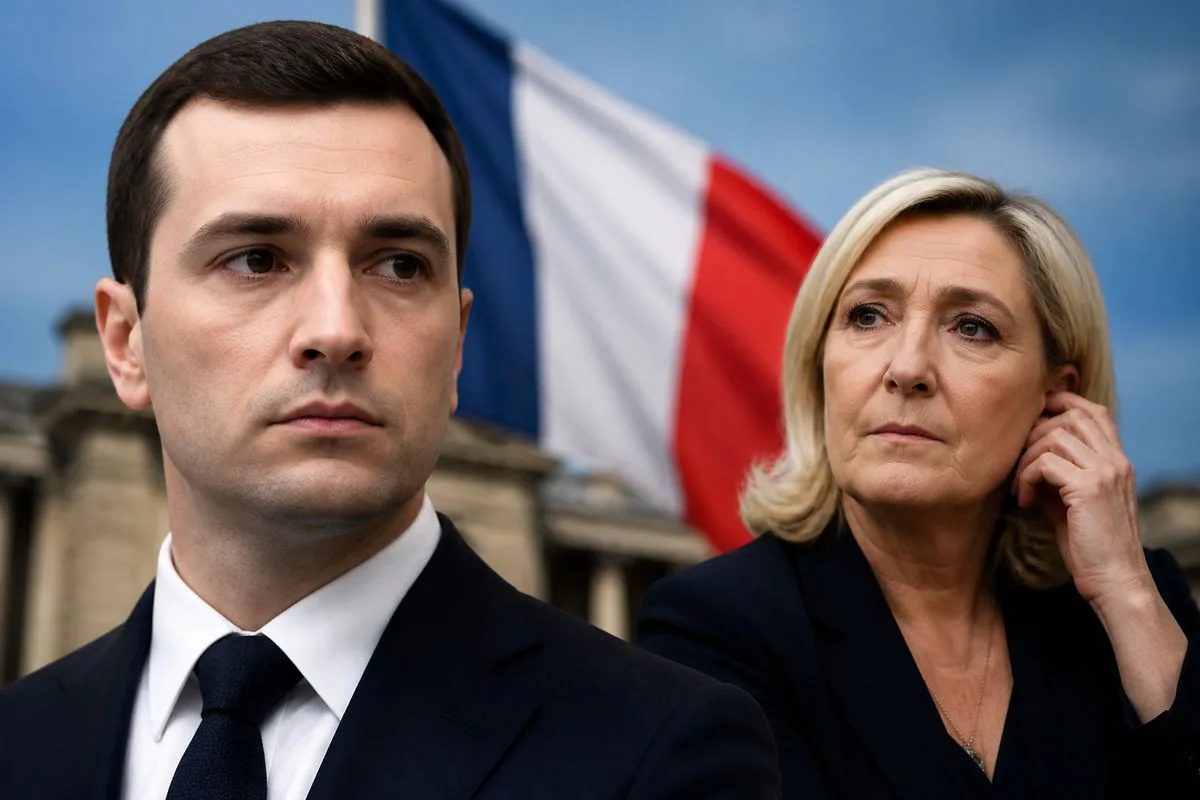
In the latest france-politics news, France’s hard right is hit by a reputational shock at exactly the moment it is trying to look like a government in waiting. Jordan Bardella, the president of the National Rally (RN), denies allegations that he made antisemitic remarks as a teenager and young activist, and says he will sue for libel. The dispute, reported in French media and picked up by international outlets, lands right in the middle of Marine Le Pen’s long running effort to present RN as respectable, disciplined, and ready for the presidency.
And it is not happening in a vacuum. RN has just notched a historic breakthrough in the French Senate elections, enough to form a group in the upper house for the first time. That matters because it signals institutional footholds, not just protest votes. But the Bardella row risks reactivating the very questions Le Pen has spent years trying to bury: what, exactly, has changed inside RN, and what is simply being rebranded?
The timing is brutal. France is entering a pre presidential period where every gesture is read as a clue about governing competence. At the same time, the so called “end of Macronism” is becoming a political storyline of its own, with the centre and traditional right looking weaker after Emmanuel Macron’s two terms. RN wants to fill that space. Controversies like this one make that job harder, even if they also help RN rally supporters who believe the party is being targeted by the establishment.

What happened, what Bardella says, and why it matters for france-politics news
The immediate trigger is a report alleging Bardella made antisemitic comments when he was younger. Bardella denies making the remarks. He frames the episode as political “total war” from opponents, and says he will pursue a libel case. That legal threat is significant in itself, because it turns a political scandal into a longer running courtroom and media saga, one that can keep resurfacing through the campaign calendar.
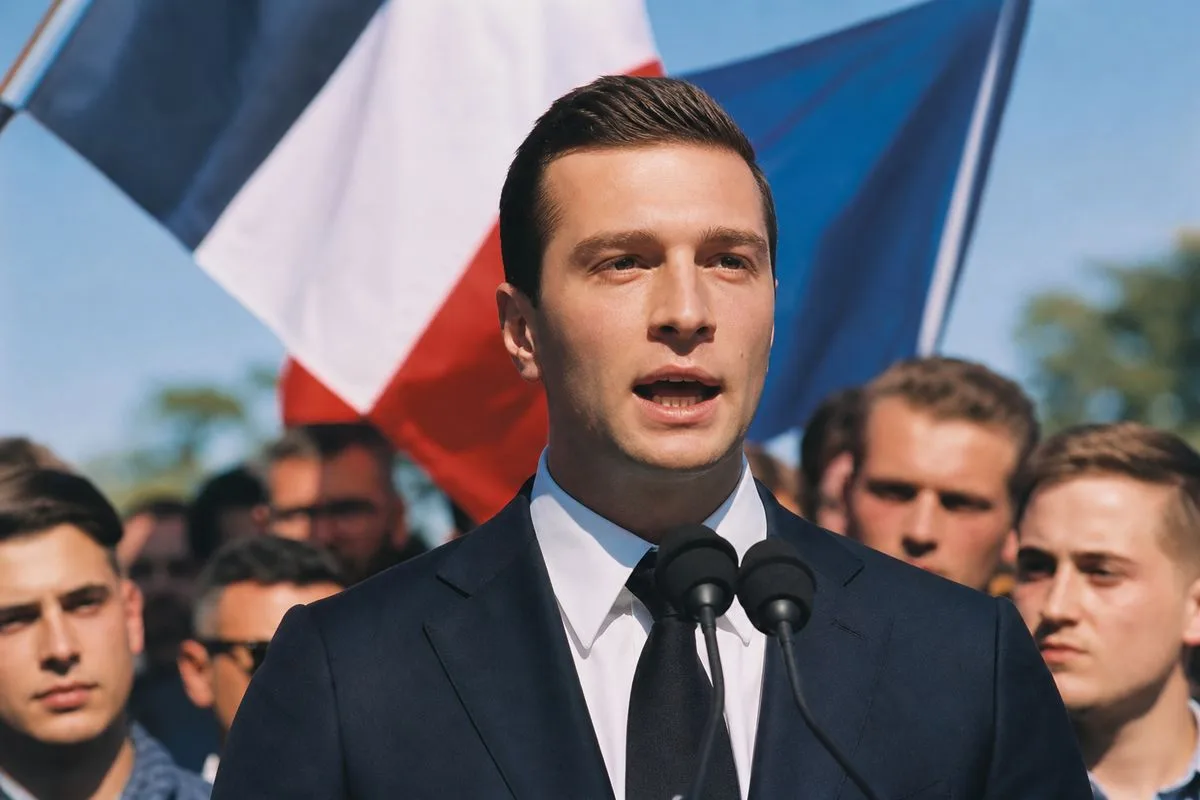
There is a second layer here that is easy to miss. RN has worked hard to professionalise its communications, to keep candidates on message, and to avoid the kind of off the cuff statements that used to define the party’s image. Bardella, young, media fluent, and often presented as the modern face of RN, is central to that strategy. So when the controversy hits him personally, it is not just about one individual’s past. It becomes a stress test of RN’s entire “normalisation” project.
Le Pen also faces the fallout, because Bardella is not a random lieutenant. He is the party president, and a key asset in reaching younger voters and softening the brand. If the allegations stick in the public mind, even without a court ruling, they could complicate RN’s outreach to Jewish communities and to more moderate conservatives who might be tempted to vote RN out of frustration with the centre. Fair enough, some voters will shrug and say it is ancient history. But in French politics, symbolism counts, and opponents will not let it go.
It also gives oxygen to a broader debate about the boundaries of acceptable political discourse in France, and how parties handle accusations of racism or antisemitism. RN’s critics argue the party’s roots still matter. RN argues it is being smeared to stop its rise. That clash, more than the details of any one quote, is what will shape the next phase of the story.
Profiles and pressure points: Le Pen, Bardella, and the RN strategy
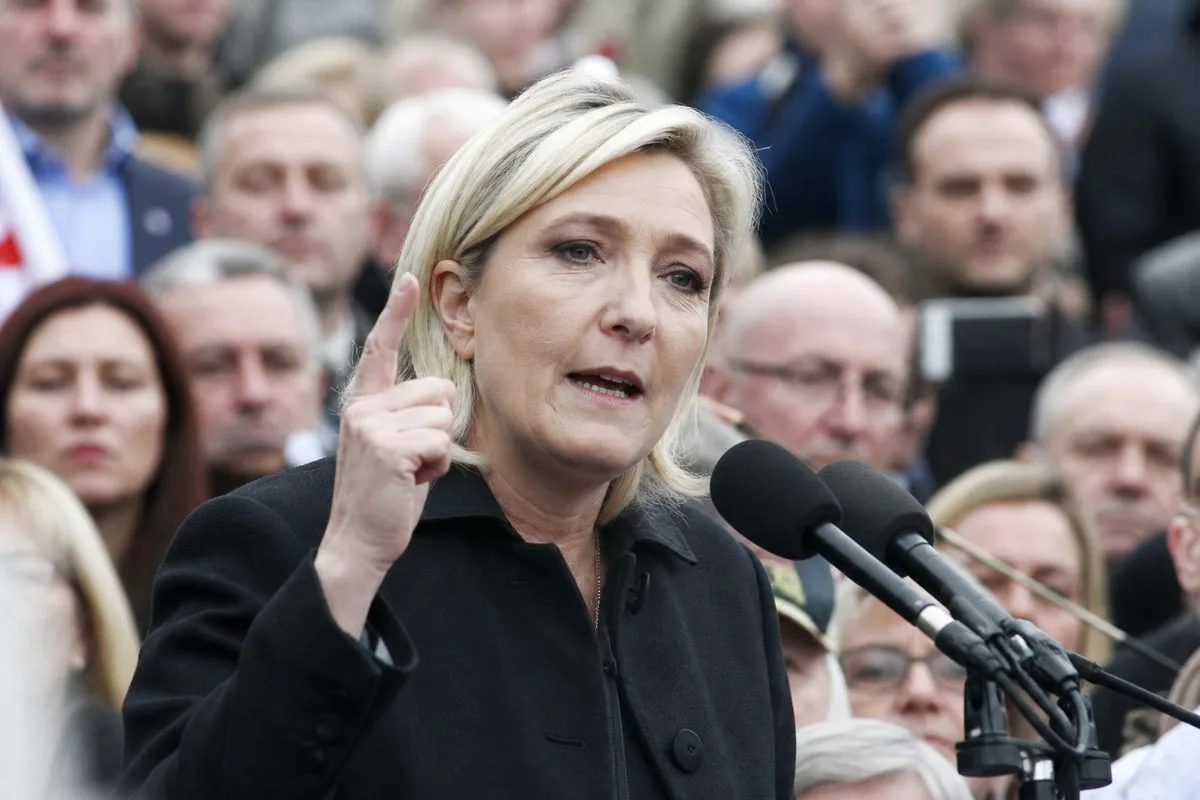
Marine Le Pen remains the central figure. She leads the polls according to reporting in July 2026, but her path is complicated by a court conviction for embezzlement linked to misuse of EU funds, which she is fighting. The BBC describes her candidacy as a gamble, because she is pursuing a presidency bid while continuing an appeal to France’s top civil court. The risk is obvious: legal uncertainty can spook voters who want stability, and it gives rivals a simple line of attack, that she is asking for the highest office while under a legal cloud.
Bardella, meanwhile, is both shield and spear for RN. He can take media hits that might otherwise land on Le Pen, and he can broaden the party’s appeal beyond its traditional base. But that only works if he is seen as clean, credible, and future facing. Allegations of antisemitic remarks, even from his youth, cut directly against that image. And because he is the party president, the story cannot be contained as a minor sideshow.
RN’s internal logic is to look like a governing party without necessarily changing its core instincts. That means building parliamentary presence, showing discipline, and talking about everyday concerns. The Senate breakthrough helps with the “institutional” part of that plan. But controversies about identity, prejudice, and political culture drag the conversation back to RN’s history and to the moral questions that many French voters still associate with the far right.
There is also a strategic dilemma for Le Pen. If she defends Bardella too aggressively, she risks amplifying the story and tying her own brand to it. If she distances herself, she risks looking weak inside her own movement. Either way, rivals will try to force her to answer the same question again and again: is RN truly different now, or just better at packaging?
RN’s Senate breakthrough and the shifting terrain of france-politics news
RN’s historic victory in the Senate elections, enough to form a group in the upper house for the first time, is not just a headline. It is a structural change. The Senate is not where French governments are usually made or broken, but it is part of the state’s institutional architecture. A group brings resources, visibility, and procedural leverage. It also signals that RN is no longer confined to the National Assembly and presidential contests, it is building a multi level presence.
This matters because French politics is increasingly fragmented. The old centre left and centre right machines look tired, and Macron’s centrist project is nearing its end. POLITICO’s framing, “the end of Macronism”, captures a reality that many voters feel: the centre is struggling to renew itself, and the right and centre appear weaker after two Macron terms. In that environment, RN’s ability to look organised and permanent becomes a competitive advantage.
But the Senate story also highlights RN’s vulnerability. As parties become more institutional, the standards applied to them change. Protest movements can survive scandal by claiming persecution. Parties that want to govern are expected to show judgement, vet candidates, and manage crises. The Bardella allegations therefore hit harder than they might have a few years ago. They challenge RN’s claim that it is ready for power, not just ready to shout from the sidelines.
And there is a further complication: RN’s opponents are not just fighting it on ideology, they are fighting it on competence and credibility. Legal battles, personal controversies, and questions about political culture become tools to slow RN’s momentum. That is why the Bardella row is not a one day story. It is a lever that rivals will keep pulling.
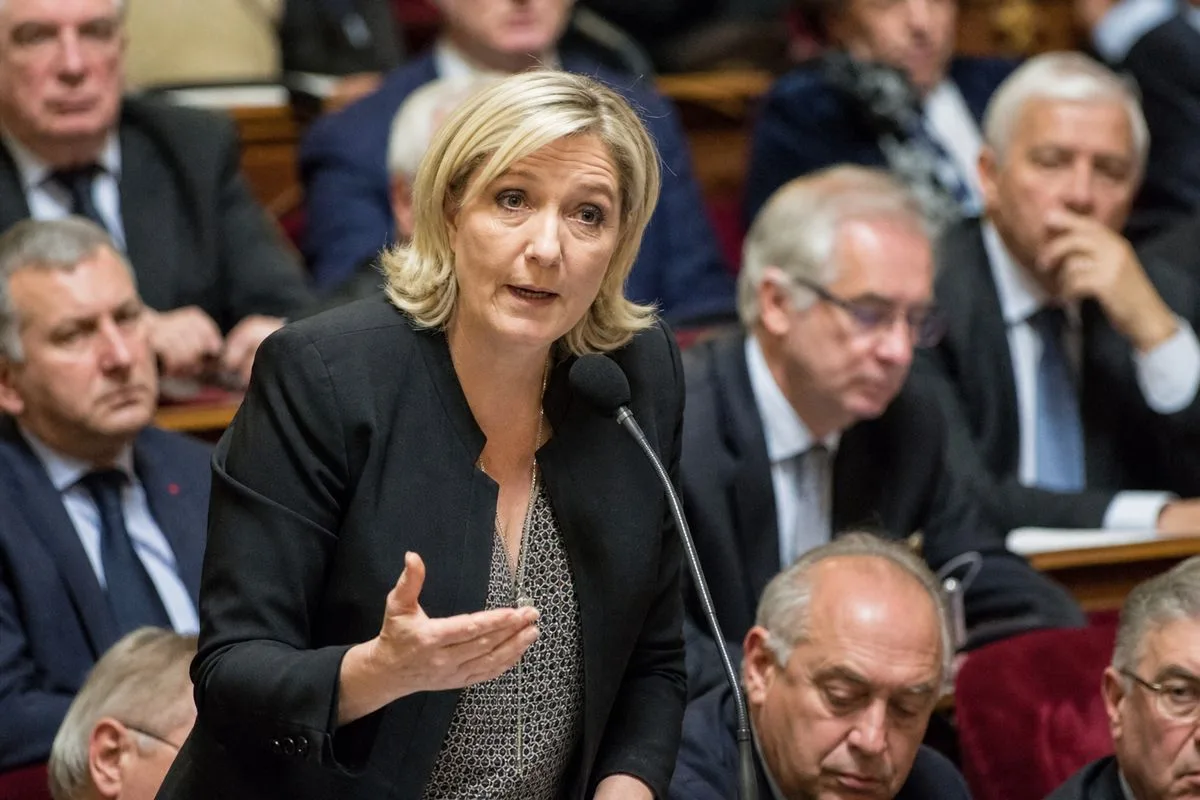
Macron’s presidency, international staging, and domestic political fallout
While RN dominates much of the domestic conversation, Emmanuel Macron is still president, and the Élysée’s calendar shows a heavy focus on international diplomacy and global governance. In September 2026 alone, the presidency highlights the UN General Assembly in New York, a roadmap on children’s rights and protection in the age of AI, and Pope Leo XIV’s apostolic journey to France on 25 September 2026. Earlier in the year, there are major summits and joint statements, including on Ukraine and European security.
That matters for domestic politics in two ways. First, it reinforces the sense that Macron’s remaining time is about statecraft, not party building. Second, it creates a contrast that candidates exploit. RN and the far left argue that international posturing does not fix day to day pressures at home. Centrists argue that experience on the world stage is exactly what France needs in a volatile era. Either way, the presidency’s outward focus shapes the campaign terrain.
It also intersects with policy debates that are not going away. POLITICO reports French debt hitting 119 percent of GDP on 29 September 2026. That single figure is dynamite in a campaign, because it frames everything else: pensions, public services, tax promises, and spending cuts. Candidates can argue about identity and culture all they like, but the debt number sits there like a weight on the table (and voters know it).
So when RN is hit by a controversy about alleged antisemitic remarks, it is not just a moral and reputational issue. It is also a distraction from the party’s attempt to look economically credible. RN wants to talk about sovereignty and security. Opponents want to talk about competence, legality, and fitness to govern. The Bardella story helps opponents keep the spotlight where they want it.
The Bigger Picture
The deeper story in this cycle of france-politics news is not simply whether Bardella did or did not say specific things as a teenager. It is that France is watching a political system re sort itself in real time. The centre is fraying, mainstream parties are forced into awkward tactical choices, and the extremes are becoming more normalised. The BBC’s reporting earlier in 2026 on far left and far right gains in local elections points to the same pattern: the old governing blocs are struggling to hold their ground, even at municipal level, where French political careers are often built.
RN’s Senate breakthrough is part of that normalisation, but so are the risks that come with it. As RN becomes more embedded, it cannot rely solely on anti establishment energy. It has to manage scrutiny, legal exposure, and the expectations of voters who might support it as a “try something else” option but still want stability. That is why controversies about prejudice, even historical ones, are politically potent. They raise doubts about whether RN’s transformation is cultural or cosmetic.
There is also a generational twist. Bardella represents a younger face of the far right, and his appeal is partly about modernity, social media fluency, and a sense that he is not carrying the baggage of older figures. Allegations tied to his youth puncture that narrative. And they underline a broader reality: French politics is now a battle over first impressions and long memories at the same time. A party can rebrand, but the internet, archives, and investigative reporting make it harder to truly move on.
What to watch next, legal risks, campaign tactics, and the road ahead
Next steps revolve around three moving parts: the legal threat Bardella makes, the media’s ability to substantiate or challenge the allegations, and RN’s internal crisis management. A libel action, if pursued, can take time and can force disclosures and testimony that keep the story alive. But it can also be used politically, as proof that Bardella is confident enough to fight. Either outcome carries risk. Courts do not operate on campaign timetables, and politics rarely waits politely.
Le Pen’s own legal fight remains the other major vulnerability. The BBC’s July 2026 coverage makes clear she is appealing a conviction related to misuse of EU funds, and that continuing a presidential bid while pursuing that appeal is a gamble. Opponents will link the two stories, arguing RN has a pattern of legal and ethical problems. RN will argue it is being targeted because it threatens the status quo. That back and forth is predictable, but still effective, because it forces swing voters to decide which story they believe.
Meanwhile, other candidates are trying to define the agenda. POLITICO reports presidential hopeful Edouard Philippe proposing pushing the retirement age to 65, a reminder that pensions remain politically explosive in France. Jean Luc Mélenchon is reported as focusing on first time voters as part of a plan to beat the far right. And the centrist and centre right space is still searching for a compelling post Macron identity. In that crowded field, RN wants to keep attention on its momentum and its institutional gains, not on allegations about antisemitism.
The blunt reality is that France is heading into a high stakes contest where legitimacy is as important as popularity. RN is closer than ever to power, but that also means it is closer than ever to the kind of scrutiny that can derail a campaign. Bardella’s response, and Le Pen’s handling of the fallout, will show whether RN’s professionalisation is real when it matters, not just when the headlines are friendly.