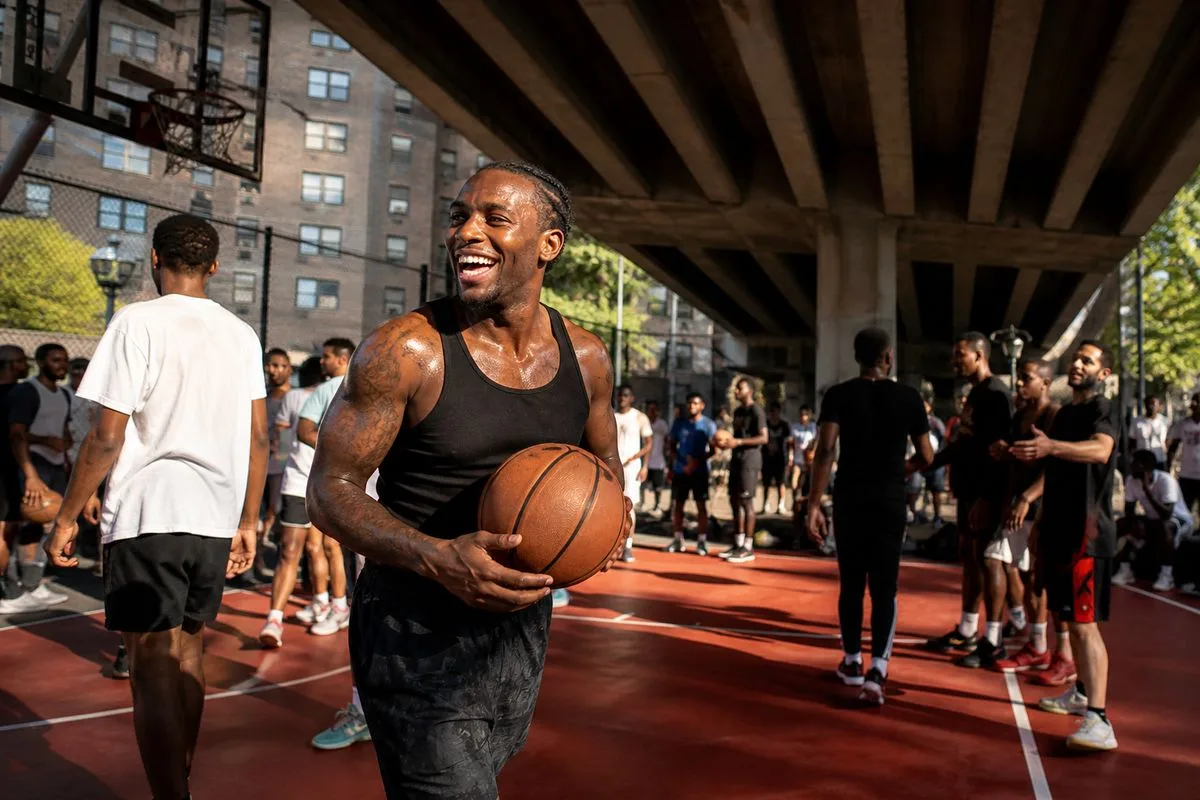
Lifestyle sports hit a new phase in 2026, and it is not just about tricks and trends
Lifestyle sports are having one of those moments where the culture and the commerce start moving in the same direction. On the one hand, research attention keeps building around activities like skateboarding, surfing, BMX and parkour, framed as urban, creative, self directed forms of physical culture. On the other, specialist retailers are leaning hard into the idea that sport is not a separate part of life, it is the texture of everyday living, from the school run to the job site to the sidelines on a cold Saturday morning.
That collision is the story. It is not a single tournament or a one off product launch. It is an ecosystem shift, visible in the way lifestyle sports are described, sold, and organised in communities. And in 2026, the signals are clear: participation is increasingly shaped by public space, social media visibility, and retail that sells identity as much as equipment.
One snapshot comes from a family owned Long Island retailer, Lifestyles Sports in Wantagh, New York, which positions itself around “everyday life, work, and sport built for colder days and the seasons ahead”. Another comes from a Nature Portfolio topic summary that describes lifestyle sports as self directed, creative, and deeply rooted in urban participation, with knock on effects for planning, inclusion and policy. Put them together and a bigger picture emerges, lifestyle sports are becoming a mainstream way people organise movement, belonging and even local politics.
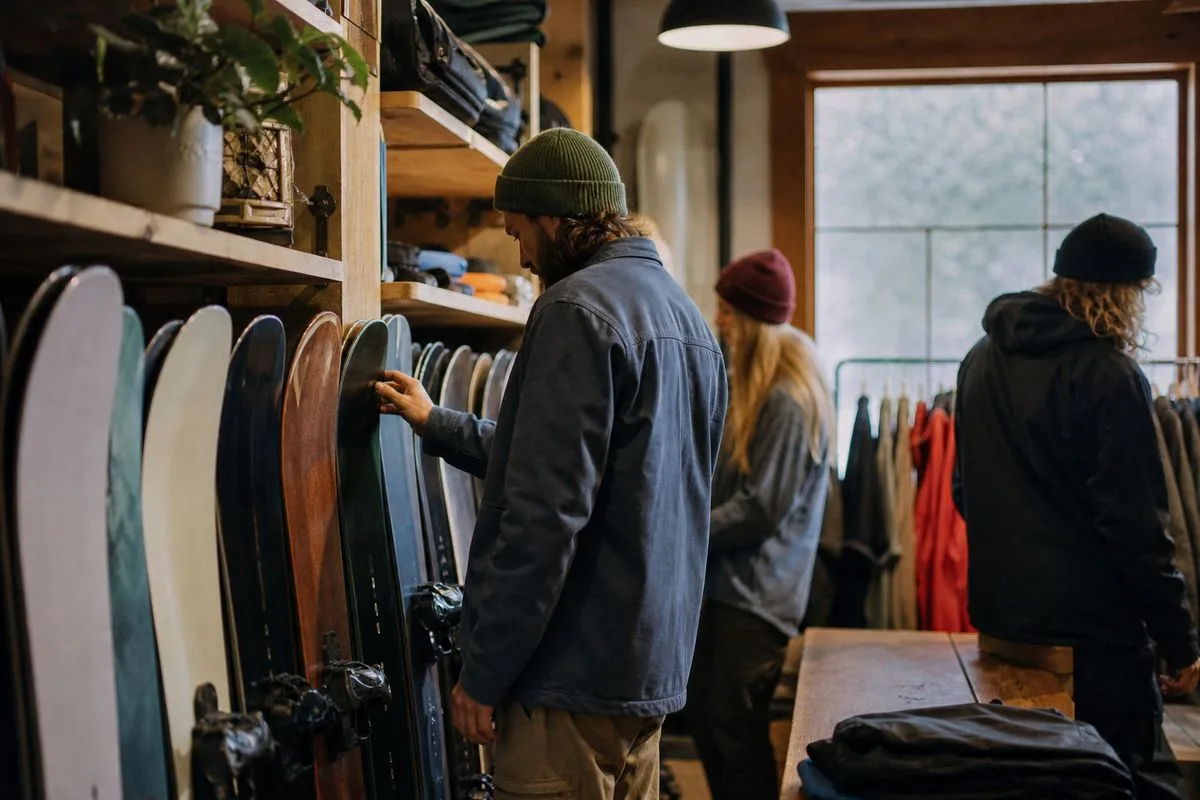

The latest development, lifestyle sports move from niche subculture to everyday infrastructure
The most tangible 2026 development is how lifestyle sports are being packaged as daily life essentials rather than specialist pursuits. Lifestyles Sports promotes seasonal campaigns like “Autumn All Stars” and “MVPrime Week”, framing hoodies, joggers, fleece zips and matching sweatsuits as kit for “chilly mornings, game days on the sidelines, and lazy weekends at home”. The language matters. It is not “train harder”, it is “live in it”. That is lifestyle sports retail in a sentence.
At the same time, the store’s product mix shows how blurred the category has become. It is not only performance footwear like cleats, turf trainers, basketball shoes and wrestling footwear. It is also workwear adjacent gear, including boots and apparel from Carhartt, Thorogood and Wolverine, plus tailgate essentials like YETI and Igloo coolers and water jugs. In other words, the same customer might be buying a bat, a hoodie, and job site boots in one place. Fair enough, that is exactly how many people live.
There is also a clear push towards “new tech” narratives, even when the items are familiar. The retailer highlights newly arrived bats from Louisville Slugger, DeMarini and Rawlings, and lists a “2027 DeMarini Uprising (-11) USA Baseball Bat” among featured products. That detail is revealing in two ways. First, lifestyle sports retail is increasingly about the promise of innovation, not just the basics. Second, the merchandising calendar is now so forward looking that next year’s model year is already part of the pitch, which tells you how competitive the attention economy has become.
And then there is the social proof. The store cites a rating of 4.4 out of 5 from 113 plus Google reviews, and the reviews themselves emphasise speed, responsiveness and community service, from fixing an order mistake quickly to turning around a large cheerleading apparel order in time for a Homecoming game. That is not glamorous. But it is the infrastructure that keeps participation going week after week.
Background, what lifestyle sports actually mean now, and why cities are central
In research terms, lifestyle sports are typically defined by self directed practice, creative expression and a subcultural ethos. The Nature Portfolio topic summary puts skateboarding, surfing, parkour and BMX at the centre of this world, and stresses how participants repurpose public space, turning underused or derelict sites into ad hoc arenas for play. That is a crucial distinction from traditional club sport. The “venue” is often a kerb, a stair set, a concrete bank, a wave, or a bit of urban leftover space that nobody else is using.
This is where the politics creeps in, sometimes quietly, sometimes loudly. When people claim space for movement, they are also making a statement about who the city is for. The summary points to community organisation that ranges from informal peer networks to activist collectives, and suggests these groups can influence urban planning, social inclusion and public policy. That is a big claim, and the source material does not provide numbers to quantify it, but the direction of travel is clear: lifestyle sports are increasingly discussed as a form of participatory urbanism, not just recreation.
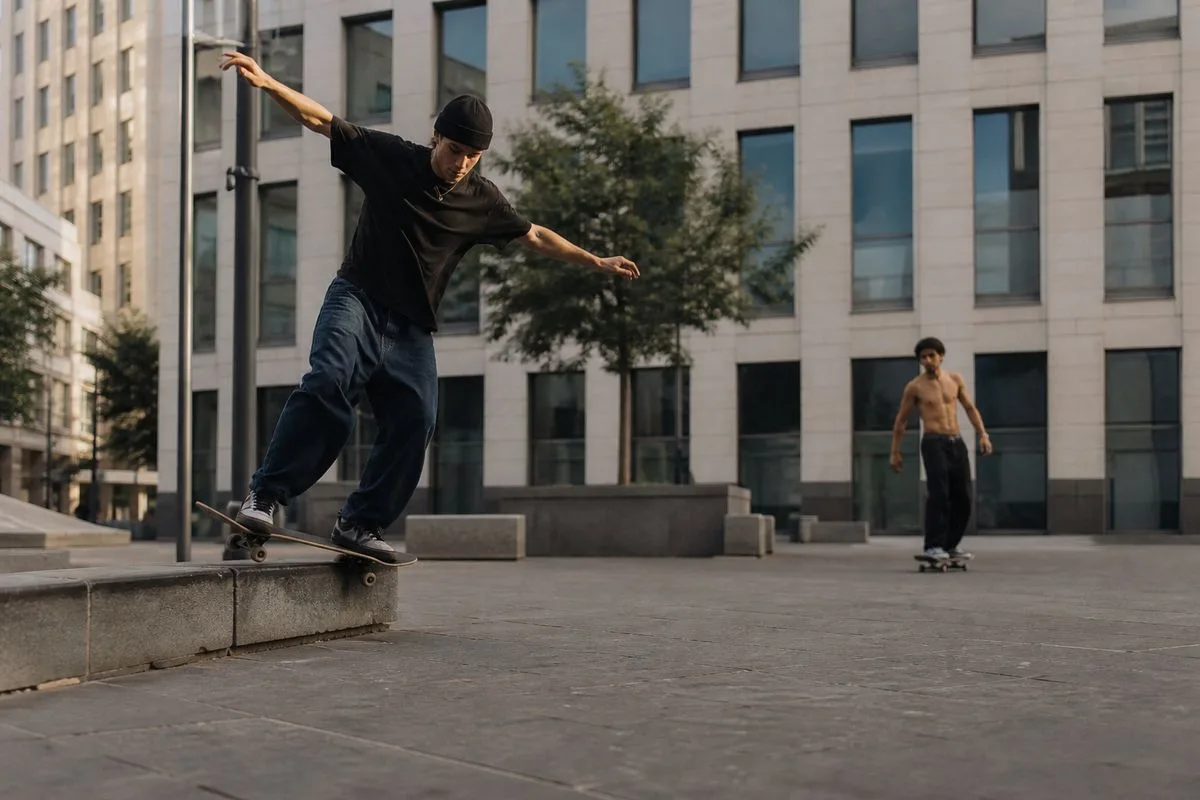
The cited research examples underline the breadth. There is work on public education and surfing clubs in Japan, including community revitalisation in Aoshima’s surfing bukatsu. There is research on skateparks as “communities of care”, focused on girls’ and non binary youth mental health recovery during lockdown. And there is research on building a DIY skatepark as hands on politics. Different settings, different stakes, same underlying idea: lifestyle sports can be a social system, not merely an activity.
Technology sits in the middle of it all. The Nature summary notes “technological mediation through social media and digital mapping” that extends visibility and shapes discourse, enabling transnational exchange and local adaptation. That is a polite way of saying: a trick filmed on one street corner can change how another city’s teenagers move through their own neighbourhood. And once that happens, the demand for spaces, products, and legitimacy follows.
Profiles and players, from family run retailers to community networks
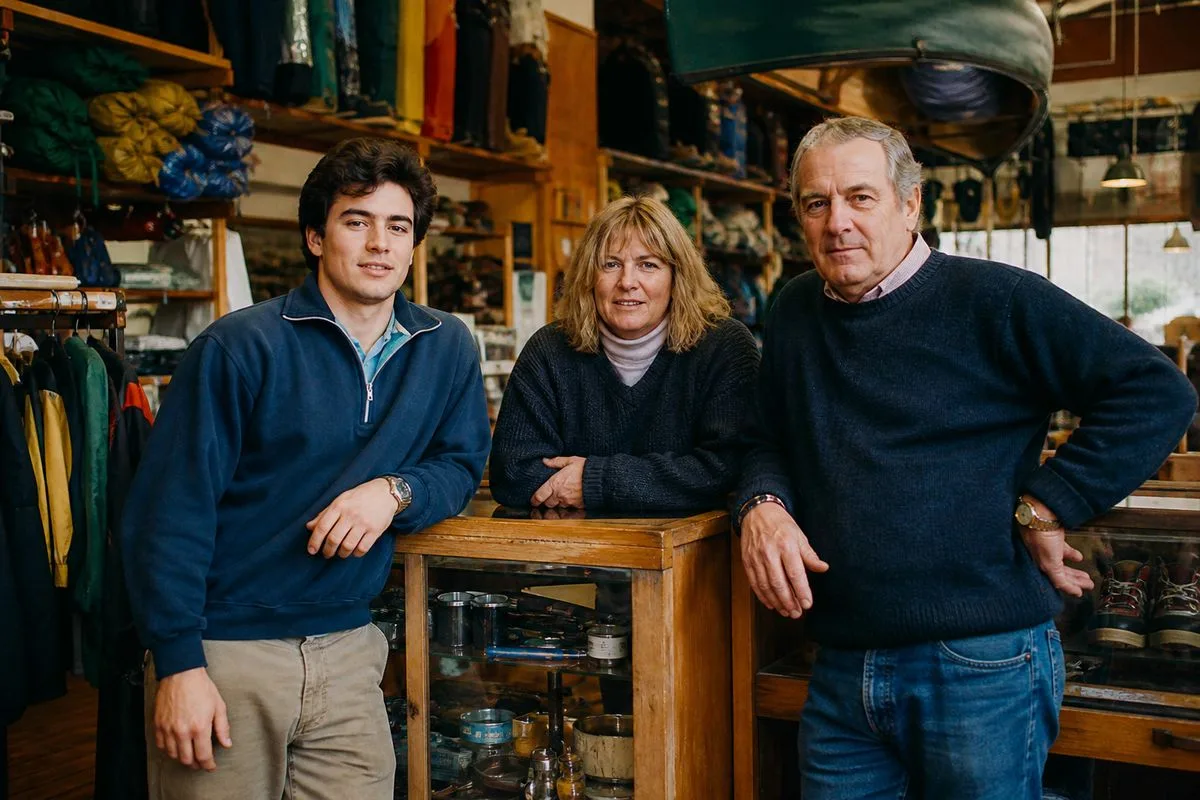
It is tempting to talk about lifestyle sports only through the lens of global brands and viral clips. But the source material points to something more grounded, the role of local operators who keep the wheels turning. Lifestyles Sports describes itself as family owned on Long Island since 1976. That date matters because it suggests continuity across multiple waves of sports culture, from traditional team sports retail to today’s blended “sport plus lifestyle” positioning.
The customer reviews included in the source material read like a checklist of what modern participation needs. One customer praises boots arriving on time, packaged well, with accurate tracking. Another describes a large cheerleading team apparel order, with a staff member named Will ensuring the order is right and ready for a Homecoming game. Others mention staff helping with sizing, measuring a child’s feet for cleats, and setting up a team store fundraiser, with staff named Taylor and Ryan called out for responsiveness and practical help. None of that is flashy. But it is exactly how sport becomes accessible, especially for families juggling time, budgets and logistics.
The product curation also hints at how lifestyle sports retail is evolving. Featured items include the KANE Revive Active Recovery Shoe, described as designed to help the body recover faster after workouts while offering support “for everything in between”. That “in between” phrase is doing a lot of work. It speaks to a consumer who moves between training, commuting, socialising and work without changing identities. The same goes for items like the Bobby Heaters Edge Belt, which explicitly fuses graffiti inspired strokes with baseball culture. It is sport as style, and style as belonging.
At the other end of the ecosystem are the informal networks described in the Nature summary, peer groups, activist collectives, grassroots skatepark initiatives. These groups are not always businesses, and they do not always want to be. But they shape demand indirectly by normalising participation, creating local scenes, and pushing cities to provide or tolerate spaces. Retailers then respond, sometimes consciously, sometimes just by following where the footfall goes.
Industry analysis, why the lifestyle sports economy is widening, and what gets lost
The clearest industry implication is that lifestyle sports are no longer a neat category. They are a bridge between performance, fashion, and community infrastructure. Retailers that once lived on seasonal spikes, back to school, pre season, playoffs, now sell a year round wardrobe and identity kit. “Cozy SZN” marketing is not an accident, it is a strategy to keep customers engaged even when they are not actively competing.
There is also a subtle shift in what counts as “gear”. In the Lifestyles Sports snapshot, coolers and tailgate essentials sit alongside bats and helmets. Work boots and jackets sit alongside basketball shoes. That tells you the customer is being treated as a whole person with overlapping roles, worker, parent, player, fan, volunteer coach. For the industry, that widens the addressable market. For consumers, it can be convenient. But it also means lifestyle sports branding can creep into every corner of daily spending (and yes, that is the point).
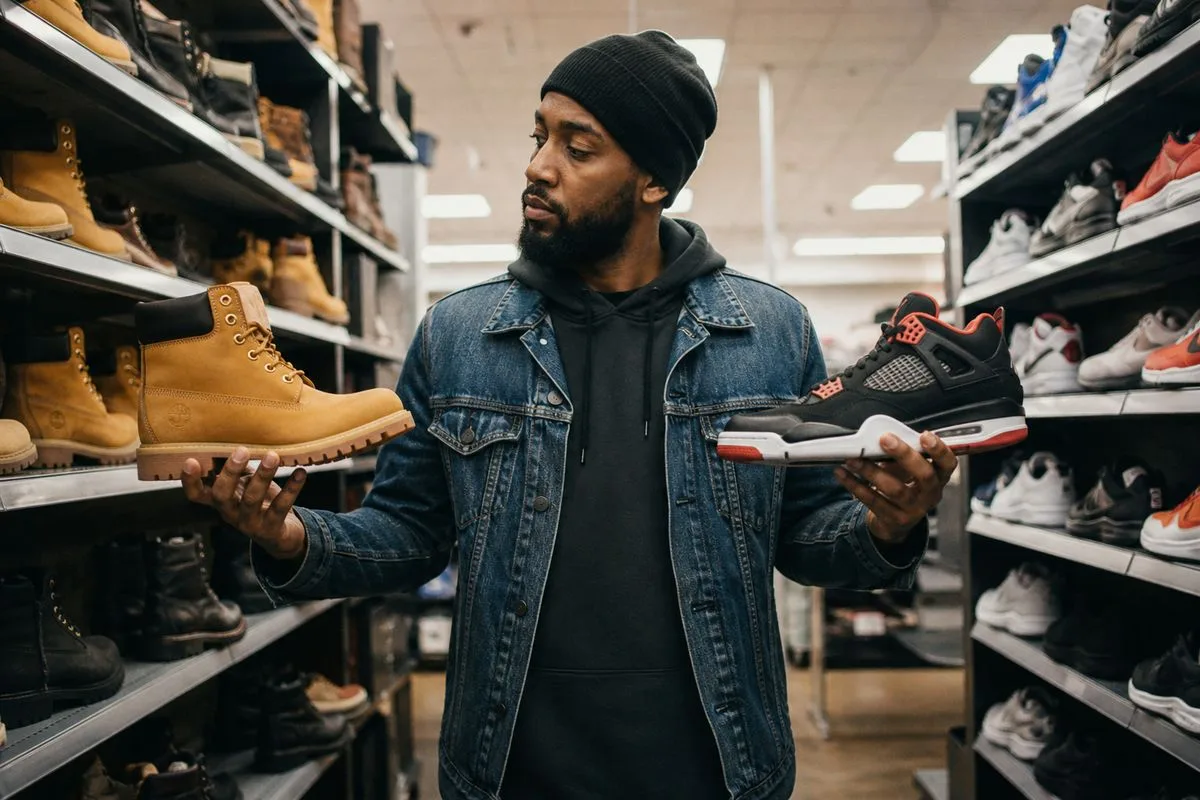
From the urban participation angle, the big question is governance. Lifestyle sports thrive on self direction and the creative use of space. But as they become more visible and more mainstream, they attract regulation, commercial sponsorship, and sometimes sanitised versions of the culture. The Nature summary explicitly notes that lifestyle sports can challenge “traditional top down governance of urban environments”. That tension is not going away. Cities want activation and community wellbeing, but they also want predictability, liability control, and tidy public spaces. Those goals do not always align.
And then there is inclusion. The research summary highlights pathways for mental health recovery, intergenerational interaction, cultural expression, gender equity and sustainable urban development. Those are big benefits, and they are plausible, but the source material does not provide hard numbers. Still, the direction is important for industry strategy. Brands and retailers that treat lifestyle sports purely as aesthetics risk missing the deeper demand, people want spaces and communities that feel welcoming, not just products that look the part.
Lifestyle sports and public space, the historical context behind today’s boom
Historically, many lifestyle sports grow precisely because they do not need formal permission. Skateboarding and BMX scenes often begin with whatever terrain is available. Parkour, by definition, is about moving through the built environment. Surfing is different in that it depends on nature, but the social organisation around it, clubs, local norms, access debates, can mirror urban dynamics. Over time, what starts as informal play becomes a recognised culture, then a policy issue, then a market.
The Nature summary’s references point to that institutionalisation process. Surfing bukatsu in Japan sits inside public education structures, which is a long way from the early image of surfing as anti establishment. DIY skateparks, meanwhile, represent a different path, citizens directly modifying or appropriating public spaces without formal authority. Both are responses to the same basic need, places to practise, learn and belong.
Retail has its own historical arc. A family owned sports shop founded in 1976 is born in an era when team sports and school programmes dominate the mainstream. In 2026, that same kind of retailer can still thrive, but the pitch changes. It becomes less about stocking a narrow set of seasonal items and more about curating a lifestyle across sport, work and leisure. The reviews in the source material suggest service and community ties are the differentiator, not just price.
What is new now is the speed of cultural transmission. Social media and digital mapping, as the Nature summary notes, amplify visibility and shape norms. That means a local scene can scale its influence quickly, and a retailer can respond quickly too, with drops, featured products, and seasonal campaigns. The upside is energy and innovation. The downside is churn, hype cycles, and a constant pressure to buy the next thing.
What This Means For You
For readers who participate in lifestyle sports, or are thinking about it, the practical takeaway is simple: the barrier to entry is often less about talent and more about access, to space, to community, and to the right kit for your context. The research framing emphasises self directed learning and creativity, which means beginners do not need formal coaching to start. But they do need safe places to practise and people to learn from. That might be a local skatepark, a DIY spot, a school club, or just a regular group that meets up. Finding that network is often more valuable than buying top end gear on day one.
For parents and families, the retail snapshot is a reminder to shop for the reality of how sport fits into life. Cold mornings on the sidelines, kids growing out of footwear fast, last minute team orders, these are the friction points. Reviews in the source material repeatedly praise staff who measure feet, fix mistakes quickly, and deliver team apparel on time. That is the kind of service that reduces stress and keeps kids playing. It is not exactly groundbreaking, but it is what makes participation sustainable across a season.
And for anyone who cares about cities and community life, lifestyle sports are a useful lens for judging whether a place is designed for people or just for traffic and property values. When participants repurpose underused spaces, they are often revealing gaps in urban design. Residents can support sensible provision, like well designed skateparks, multi use courts, and safe shared spaces, while also pushing for governance that does not crush the culture with over policing. The best outcomes tend to come when cities treat participants as partners, not problems.
Closing thoughts, the next chapter for lifestyle sports is being written in plain sight
In 2026, lifestyle sports sit at an interesting crossroads. Research increasingly frames them as engines of urban participation, mental health support, and community revitalisation. Retail, meanwhile, treats them as part of a broader lifestyle economy where sport, workwear and leisure blur together. Both perspectives are true, and the overlap is where the next chapter is being written.
The opportunity is obvious: more people moving, more creatively, in ways that build identity and community. The risk is also obvious: commercialisation that flattens the culture, and governance that misunderstands what makes these activities work. The smartest players, whether they are city planners, community organisers, or local retailers, will focus less on hype and more on the basics, access to space, supportive networks, and products that genuinely fit how people live.
Because that is the real story behind lifestyle sports right now. Not a single headline grabbing event, but a steady reorganisation of everyday life around movement, belonging and place. And once that shift takes hold, it is hard to reverse.