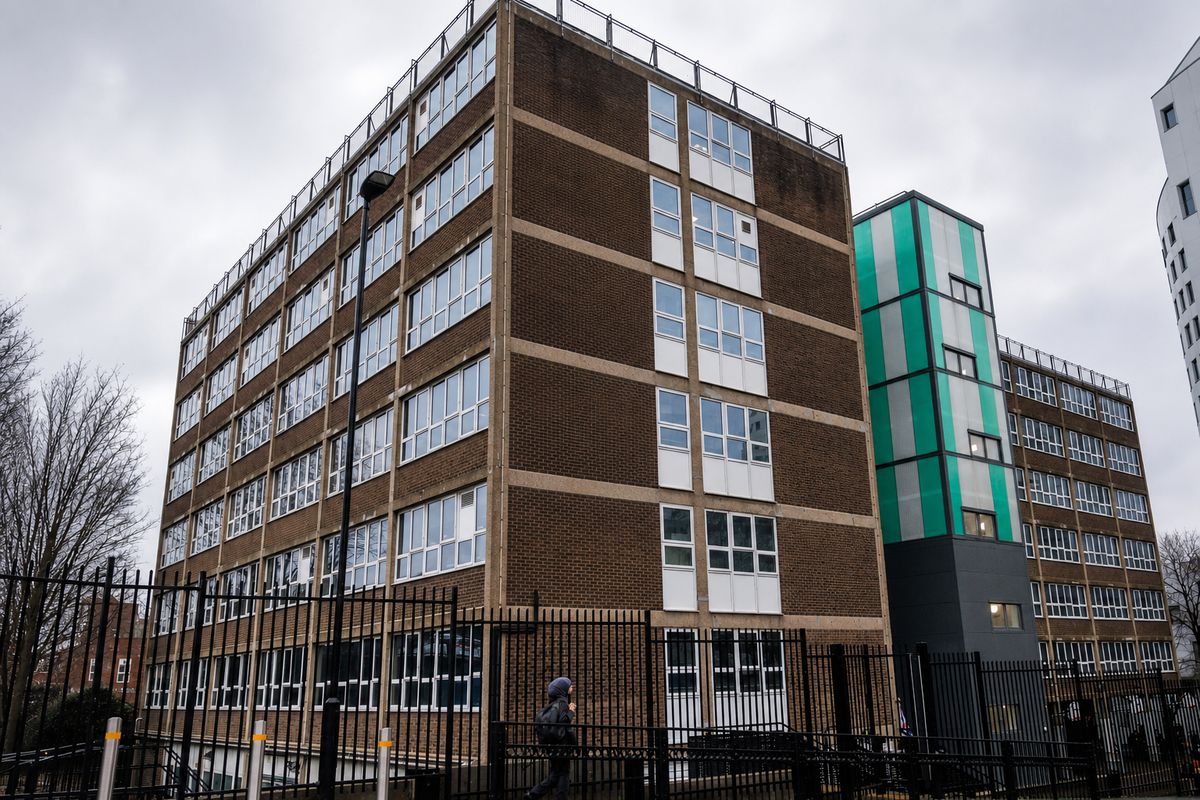
Muslim Student Loses Landmark Prayer Ban Challenge at Michaela School
The High Court in London has ruled against a Muslim pupil who challenged Michaela Community School's ban on prayer rituals. The student, whose identity is protected, argued that the policy unfairly targeted her faith and violated her right to religious freedom. But on 16 April 2024, Justice Thomas Linden dismissed the case, saying the ban was "proportionate" and that the student had implicitly accepted the school's rules when she enrolled.
The case has sparked a fierce national debate about the limits of religious expression in schools. Michaela School, a state-funded free school in Wembley, northwest London, is known for its strict rules and outstanding academic results. The school banned on-site prayer rituals in 2023 after several dozen Muslim students began using their blazers to kneel and pray in the schoolyard. School leaders said the practice led to a "culture shift" towards segregation and intimidation among pupils.
Justice Linden's written judgment acknowledged that the policy indirectly discriminates against Muslims. But he ruled that the school's goals of unity and inclusion outweighed the adverse effects on the rights of Muslim students. The student and her mother expressed disappointment, with the girl saying she felt she had done the right thing by challenging the ban. "I tried my best and was true to myself and my religion," she said in a statement.

The Arguments: Freedom of Religion vs. School Ethos
The legal battle hinged on whether Michaela School's secular ethos could override an individual's right to manifest their religion under Article 9 of the European Convention on Human Rights. The student's lawyers argued that the ban was discriminatory and uniquely affected Muslims, as other religious groups at the school do not perform regular ritual prayers. They said the policy made religious minorities feel alienated from society.
The school countered that its policy was necessary to maintain a cohesive environment. Headteacher Katharine Birbalsingh told the court that allowing prayer rituals would undermine the school's "unity" and create divisions. She also cited concerns about intimidation and peer pressure among Muslim students to pray or wear the hijab. Education Secretary Gillian Keegan supported the ruling, saying head teachers were best placed to make decisions for their schools.
Justice Linden accepted that the school's aims were legitimate. He said the ban was a proportionate means of achieving those aims, even though it had a disproportionate impact on Muslims. The ruling emphasised that the student was free to attend another school that allowed prayer, though critics say that option is unrealistic for many families.
Michaela School and Its Controversial Headteacher
Michaela Community School opened in 2014 and quickly became a poster child for the UK's free school movement. Under Katharine Birbalsingh, a former teacher who gained fame for her outspoken views on education, Michaela has achieved some of the best results in the country. Around half of its pupils are Muslim, and many come from deprived backgrounds in the London Borough of Brent.
Birbalsingh calls her approach "tough love." The school bans mobile phones, requires silent corridors, and insists on strict discipline. She has described the school as "secular and multicultural" and argues that religious practices have no place in the school day. On social media, she declared the court ruling "a victory for all schools," saying schools should not be forced to change their approach by one child and her mother.
But her critics, including Muslim teacher Nadeine Asbali, say the school's version of secularism is culturally Christian. Asbali pointed out in The Guardian that Michaela takes two-week holidays at Christmas and Easter and structures its week around Christian norms. "This is a version of secularism that benefits the members of one religion but not another," she wrote.
The Debate Over Secularism and Religious Accommodation in English Schools
The case has revived questions about what secularism means in a diverse society. The Conversation's analysis noted that English education has a long tradition of accommodating religious minorities. From the 1870 Forster Education Act's conscience clause to the 1967 decision allowing Muslim girls in Leicester to wear the shalwar kameez, schools have historically made room for difference.
Birbalsingh's approach inverts that tradition. She argues that true inclusion means treating all religions the same by banning them from disrupting the school day. But critics say this ignores the fact that the school's calendar and ethos already favour Christianity. As one letter writer put it in 1967, when a similar dispute over religious dress made headlines, "Why cannot a little tolerance be shown on this issue?"
The High Court judgment acknowledged the indirect discrimination but said it was justified. The student's option to transfer schools was seen as a safeguard. But in practice, moving schools is not simple for families who rely on Michaela's high standards to lift their children out of poverty. As the judgment itself noted, Michaela's results "are exceptionally good." For many Muslim families in Brent, the choice between religious freedom and a quality education is no choice at all.
Why It Matters: The Quiet Trade-Off Between Faith and Social Mobility
This case is not just about one school or one student. It reveals a deeper tension in British society: how to balance religious pluralism with the pursuit of academic excellence in a system that increasingly values school choice. Michaela's success has made it a model for other schools, and the ruling could embolden more institutions to adopt similar bans on outward religious expression.
But here's the uncomfortable truth. The families who benefit most from Michaela's approach are often those with the least leverage. Muslims in the UK come from some of the poorest communities. When a school like Michaela offers a clear path to social mobility, parents are understandably reluctant to walk away over a five-minute prayer ritual. The student who brought this case knew she was taking a risk. She lost, but she also exposed a system where religious minorities are forced to trade their identity for a better future.
The ruling also highlights the limits of anti-discrimination law in education. The law can recognise indirect discrimination and still deem it acceptable if the school's goals are important enough. That sets a precedent that could affect other faith-based practices, from dress codes to dietary requirements. The question is not whether schools have the right to set rules; it's whether those rules unfairly burden the most vulnerable students.
Looking Ahead: What the Michaela Prayer Ban Means for Other Schools
The court decision gives legal cover to other schools that want to impose similar bans. But it does not settle the moral question. Opinion remains sharply divided. Education Secretary Gillian Keegan welcomed the ruling, saying it gives head teachers confidence. But Muslim teachers and community leaders warn that it may alienate students and send a message that their faith is not welcome in state schools.
The case also overlaps with wider concerns about Islamophobia in Britain. The school's defence of its ban used language about intimidation and peer pressure that some see as echoing the Prevent counterterrorism programme's framing of Muslim behaviour. Nadeine Asbali wrote that this "criminalisation" of Muslim children is part of a broader pattern.
For now, Michaela School will continue its strict policy. Birbalsingh says the school is a joy to be in, and many pupils and parents agree. But the student who lost her challenge has ensured that the conversation is far from over. As she put it: "Even though I lost, I still feel that I did the right thing." That spirit of standing up for one's beliefs, even in defeat, is something no court can ban.