Nigeria news in politics: an early 2027 campaign machine clicks into gear
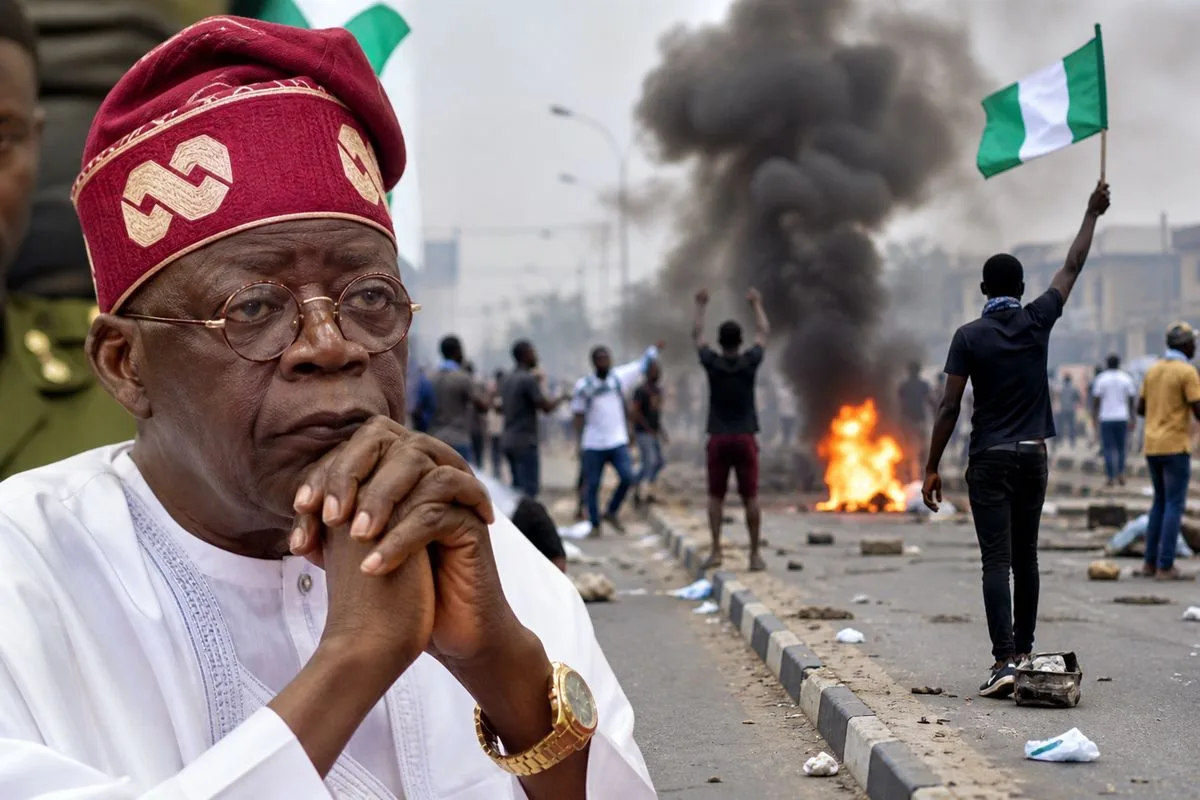
Nigeria news in politics is already being shaped by a familiar pattern, the long run up to a presidential election turning into a test of organisation, messaging, and discipline. This week’s most telling signal is the decision by the Chairman of the Progressives Governors’ Forum (PGF) and Imo State Governor, Senator Hope Uzodimma, to intensify mobilisation for President Bola Tinubu’s 2027 re election. The headline detail is hard to miss: an expanded media strategy aimed at communities across all 176,846 polling units in the country.
At the same time, the Senate is publicly decrying violent campaigns and insisting candidates must “face Nigerians”, a warning that lands like a quiet rebuke to parties and operatives who treat elections as a street fight. And then there is the institutional drumbeat in the background: the Independent National Electoral Commission (INEC) announces Permanent Voter Card (PVC) collection from 9 October 2026. Put together, these developments point to a political season that is starting early, and could get messy if the rules of engagement are not enforced.
None of this is happening in a vacuum. Opposition figures are also sharpening their lines of attack, including former Vice President Atiku Abubakar, who in separate headlines challenges Tinubu to disclose a “US health deal”, and demands accountability for existing debt and a $1.5 billion World Bank loan. Civil society organisations (CSOs) are also turning up the heat, with a petition to the ICPC demanding the resignation of Senator Adeola over alleged budget manipulation. It is a crowded field of controversies, counter narratives, and institutional reminders. And it is only 2026.

What happened: Uzodimma’s polling unit strategy, Senate warnings, and INEC’s PVC timeline
The most concrete development is Uzodimma’s mobilisation drive for Tinubu’s 2027 re election, framed as a campaign that reaches down to the most granular level of Nigeria’s electoral map. The PGF chair’s plan targets 176,846 polling units, a figure that matters because it signals intent to compete everywhere, not just in traditional strongholds. Polling units are where turnout is made or lost, where party agents watch results, and where local narratives can overpower national messaging. A strategy built around them is not just about publicity, it is about election day infrastructure.

Uzodimma’s move also underlines how governors remain the backbone of party mobilisation in Nigeria. The PGF, by design, is a coordination hub, and when its chair “intensifies” a campaign, it is usually code for aligning state level structures, media messaging, and local influencers. The source material does not provide operational specifics beyond an “expanded media strategy”, but the emphasis on communities suggests a blend of traditional political outreach and modern communications, with a strong local flavour.
Running alongside that is the Senate’s intervention on campaign conduct. The Senate decries violent campaigns and says candidates must face Nigerians, a statement that reads as both a warning and a plea. It is not exactly groundbreaking, but it matters because it places responsibility on candidates, not just supporters, and because it comes early enough to shape expectations. The Senate is effectively saying: do your politics in the open, sell your agenda, and stop outsourcing intimidation.
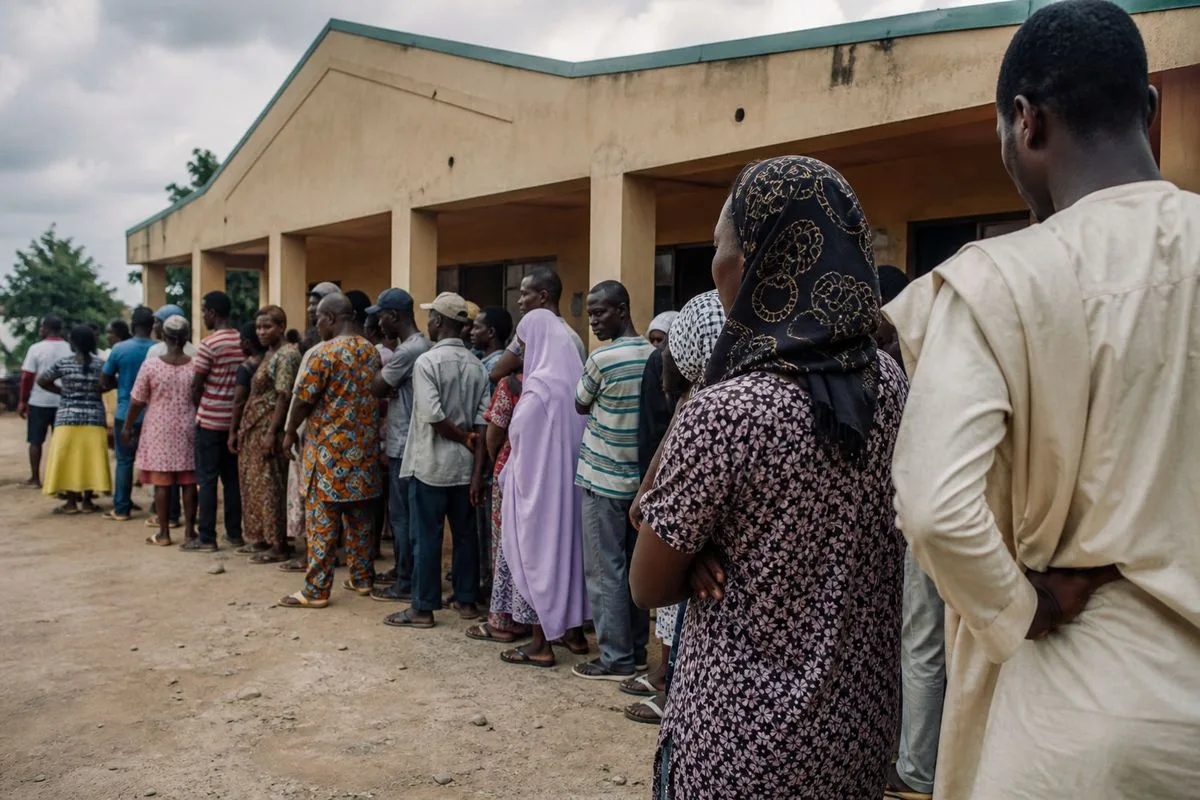
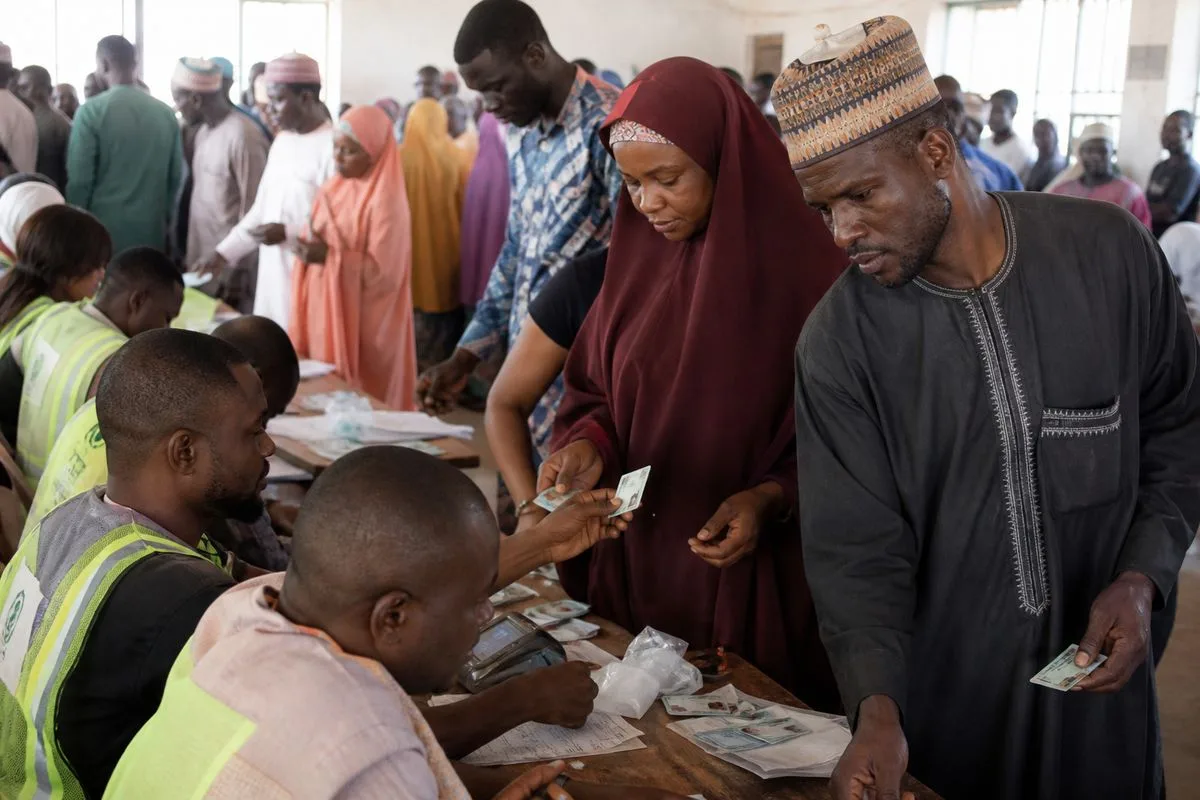
INEC’s announcement that PVC collection begins on 9 October 2026 adds a practical deadline to an otherwise rhetorical moment. PVC access is a recurring friction point in Nigerian elections, and early collection windows can reduce last minute chaos. But it also changes campaign calculations. Once PVC collection starts, parties tend to pivot from broad branding to targeted turnout operations. In other words, the “ground game” begins to look less like politics and more like logistics.
The key players and institutions shaping Nigeria news in politics right now
At the centre of the ruling party’s early movement is Senator Hope Uzodimma, wearing two hats that matter: Imo State Governor and Chairman of the Progressives Governors’ Forum. That dual role is influential because it links state power with party coordination. Governors control political networks, patronage structures, and local narratives. And when they coordinate, they can standardise messaging across multiple states, which is often the difference between a campaign that feels coherent and one that feels like a patchwork.
President Bola Tinubu, the beneficiary of this mobilisation, remains the focal point of both support and criticism. The source material does not detail Tinubu’s own campaign appearances or policy pitch in this specific set of headlines, but the political reality is that incumbency brings both advantages and vulnerabilities. Supporters sell continuity and stability. Opponents sell accountability and change. The early start to mobilisation suggests the ruling camp wants to define the story before rivals do.
On the opposition side, Atiku Abubakar’s headlines show a strategy built around scrutiny and contrast. One line of attack focuses on transparency, challenging Tinubu to disclose a “US health deal”. Another focuses on fiscal accountability, demanding answers on existing debt and a $1.5 billion World Bank loan. The material does not provide further detail on the loan terms or the alleged health arrangement, so it is not possible to assess the claims from the provided sources alone. But politically, the intent is clear: frame the next election as a referendum on competence, openness, and stewardship.
Institutions are also in the frame. INEC’s PVC timetable is a reminder that election administration is not just a backdrop, it is part of the story. The Senate’s warning on violence positions the legislature as a moral voice, even if enforcement ultimately sits elsewhere. And anti corruption oversight is pulled into the political arena through the CSO petition to the ICPC over alleged budget manipulation involving Senator Adeola. That petition is not a conviction, and the source material does not include ICPC findings, but it shows how governance disputes quickly become campaign ammunition.
How the 176,846 polling unit focus changes campaign tactics for 2027
Targeting 176,846 polling units is more than a big number for a headline. It signals a campaign architecture that treats Nigeria as thousands of micro contests rather than a handful of state level battles. In practical terms, a polling unit strategy forces parties to think about agent recruitment, voter contact, local issue mapping, and rapid response communications. It also forces discipline. If a party’s message is inconsistent, it will be exposed quickly when it is repeated across so many localities.
There is also a media logic here. An “expanded media strategy” can mean many things, but the polling unit framing suggests content that is localised, translated, and distributed through channels people actually use in their communities. National television interviews have their place, fair enough, but they do not always move votes in areas where trust is built through community leaders, local radio, and peer networks. A campaign that claims to target every polling unit is implicitly claiming it can speak in many voices without losing the plot.
But there is a risk. When campaigns go hyper local, they can become harder to police. That is where the Senate’s warning about violent campaigns becomes relevant. The closer politics gets to the street level, the easier it is for overzealous operatives to escalate tensions, especially in competitive areas where margins are tight. Nigeria has seen this movie before: local disputes become party disputes, party disputes become security problems, and suddenly the national conversation is about violence rather than policy.
INEC’s PVC collection from 9 October 2026 adds another layer. PVC access is effectively the gateway to participation. Parties that organise transport, information, and support around PVC collection can build goodwill and identify supporters early. But it also raises questions about fairness and compliance. If political actors turn PVC collection into a partisan exercise, trust in the process can suffer. The sources do not allege such behaviour here, but the risk is structural, not personal.
Policy, accountability, and political messaging: the issues parties are trying to own
Beyond mobilisation, the headlines show a battle over what the election is “about”. Atiku’s demands on debt accountability and the $1.5 billion World Bank loan are designed to pull the conversation towards economic management and transparency. Debt is a potent political issue because it is both technical and visceral. People may not follow the details of sovereign borrowing, but they feel inflation, job insecurity, and public service strain, and they connect those pressures to leadership choices.
The “US health deal” challenge is a different kind of messaging, more personal, more symbolic. Health rumours and medical trips have long been part of Nigerian political discourse, often because they raise questions about capacity and honesty. The source material does not provide evidence or specifics of any deal, so the claim cannot be evaluated here. Still, as a political tactic it is straightforward: force the incumbent to respond, and if the response is slow or unclear, keep the story alive.
Meanwhile, the CSO petition to the ICPC demanding Senator Adeola’s resignation over alleged budget manipulation reflects another recurring theme in Nigeria news in politics: the fight over public finance and the credibility of institutions. Allegations of budget padding or manipulation resonate because budgets are where promises meet reality. Roads, schools, hospitals, security spending, all of it runs through budget lines. When those lines are contested, voters hear a simpler message: someone is playing games with public money.
There is also a broader governance debate hinted at in the headlines, including the assertion that “state police will not abolish NPF, national standard”. The source material does not provide the full argument, but it points to a live policy question: how to balance decentralised security structures with national cohesion and standards. Security is not just a policy area, it is an electoral driver. Parties that look credible on security often gain an edge, especially when campaign seasons heighten tension.
Why It Matters
The early Tinubu 2027 mobilisation, framed around 176,846 polling units, is a sign that Nigerian politics is becoming even more operationally sophisticated. That is the under appreciated story. People often talk about ideology, personalities, and big rallies. But elections are increasingly won by systems: who has the best lists, the best local intelligence, the best conflict management, and the best ability to turn support into votes without triggering backlash. A polling unit strategy is basically a declaration that the campaign intends to compete as a machine.
And here is the twist. The Senate’s warning on violent campaigns is not just about morality, it is about legitimacy. Nigeria’s democratic argument has shifted over the years from “can elections happen?” to “can elections be trusted?” Violence, intimidation, and opaque financing corrode trust faster than almost anything else. If the 2027 cycle becomes defined by fear at the local level, it will not matter how clever the media strategy is, the winner will inherit a more brittle mandate.
INEC’s PVC collection date, 9 October 2026, looks like a routine administrative note. It is not. It is the moment politics moves from persuasion to participation. If PVC collection runs smoothly, it lowers the temperature and reduces conspiracy thinking. If it is chaotic, it becomes a ready made grievance for losers and a stress test for security agencies. In that sense, the PVC process is not just a bureaucratic step, it is an early referendum on institutional competence.
Historical echoes and what to watch next as 2027 approaches
Nigeria’s election cycles have a habit of starting early, then accelerating suddenly. The 2026 headlines fit that rhythm: mobilisation ramps up, institutions issue warnings, and opposition figures sharpen accountability narratives. What is different now is the explicit emphasis on polling units as the organising principle. That suggests lessons have been learned from recent cycles, where turnout patterns, local disruptions, and agent presence at the smallest units can decide outcomes even when national sentiment feels clear.
The other historical echo is the recurring tension between campaign theatre and governance substance. When politics becomes permanent, governing can become secondary, or at least appear that way. That is why the debt and loan accountability line matters politically, even without detailed figures in the provided material. It is a way of saying: before anyone asks for another mandate, explain the balance sheet. Voters may not demand spreadsheets, but they do demand a story that makes sense.
In the near term, several things are worth watching. First, whether the Senate’s stance against violent campaigning translates into concrete actions, such as sustained oversight pressure or collaboration with electoral and security institutions. Second, how INEC manages PVC collection from 9 October 2026, including communication, accessibility, and crowd control. Third, whether the ruling party’s polling unit strategy becomes visible on the ground, through local engagement that feels constructive rather than coercive.
Finally, the opposition’s accountability push will likely intensify. If Atiku and other figures keep pressing on transparency, debt, and personal capacity narratives, the ruling camp will have to decide whether to ignore, rebut, or reframe. That choice can shape the tone of the entire cycle. And in Nigeria, tone is not cosmetic. It can determine whether politics stays competitive, or turns combustible.
Closing thoughts: a campaign season that starts with structure, and could end with consequences
Nigeria news in politics, at the end of September 2026, is less about a single dramatic event and more about an unmistakable shift in posture. The PGF chair’s mobilisation for Tinubu’s 2027 re election, built around the country’s 176,846 polling units, is a statement of intent. The Senate’s warning against violent campaigns is a reminder that intent needs boundaries. And INEC’s PVC collection timeline is the practical trigger that turns political talk into voter movement.
There is still time for the conversation to mature into something more policy heavy, more grounded, and less combustible. But that will not happen by accident. It will require parties to compete hard without turning communities into battlegrounds, institutions to do their jobs without fear or favour, and candidates to “face Nigerians” with real answers, not just slogans. Big ask? Sure. But that is the job description.