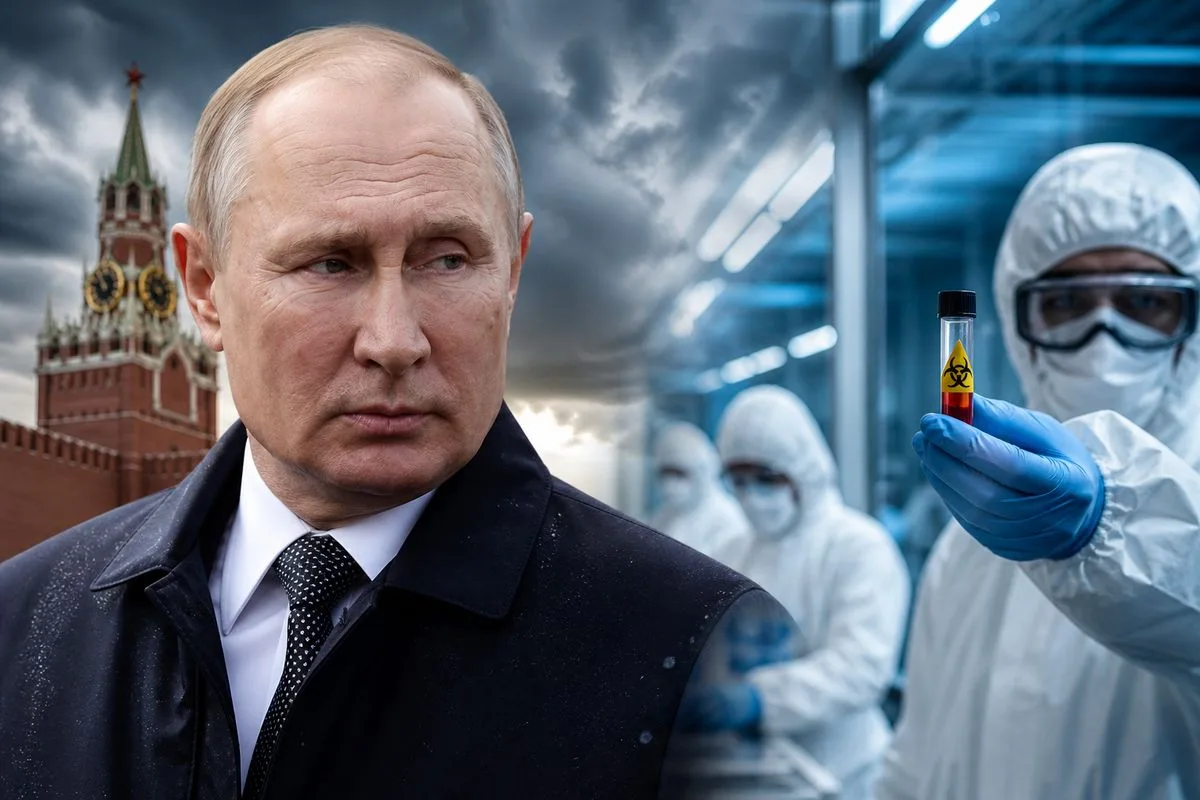
Putin health news drives a new round of succession speculation in Moscow
Putin health news is back in the spotlight in early November 2026, not because the Kremlin has offered any meaningful medical disclosure, but because the rumour mill is doing what it always does when power is concentrated in one man for decades. A new round of reporting and commentary focuses on who could replace President Vladimir Putin if he were to die, step aside, or become incapacitated, with particular attention on senior insiders who already sit close to the levers of wartime decision making.
The immediate trigger is a wave of renewed claims about Putin’s condition that have circulated since Russia’s full scale invasion of Ukraine. The source material does not provide medical records or verified diagnoses, and none are publicly available through official channels. But the political impact of the rumours is real. In a system built around personal authority, even unproven talk of illness can shift behaviour inside the elite, encourage jockeying, and sharpen the question Russia has never properly answered, what happens after Putin.
Putin is 74 in 2026 and has held power since December 1999. That is a 26 year run at the top of a nuclear armed state, with opposition crushed, institutions hollowed out, and no clear succession plan communicated to the public. And when a state has no obvious off ramp, every whisper about health becomes a proxy debate about stability, war, and the risk of sudden change.
At the same time, Russia is dealing with a separate but politically sensitive health story, an incident in Siberia involving a research technician’s death and subsequent quarantines. It is not directly about Putin’s personal health, but it adds to the broader atmosphere of mistrust and opacity around Russian public health messaging. That matters, because credibility is the currency of crisis management, and Russia is short of it.
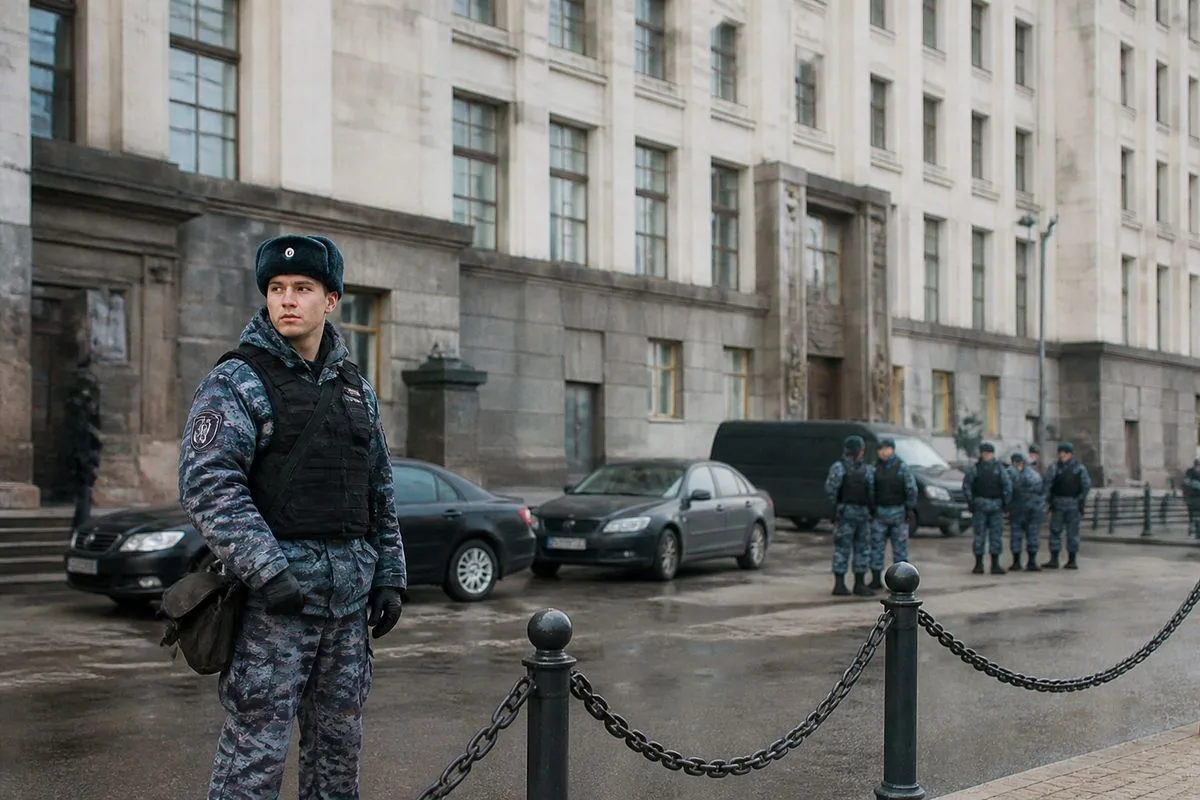

What is actually being reported, and what is not
The key development in the current cycle of Putin health news is not a confirmed diagnosis, it is the way succession scenarios are being openly gamed out. The source material describes long running rumours, including claims that Putin suffers from a “severe and rapidly progressing cancer”. Those claims are presented as allegations circulating since the war began, not as verified medical fact. There is no supporting documentation in the material, and no independent confirmation is provided.
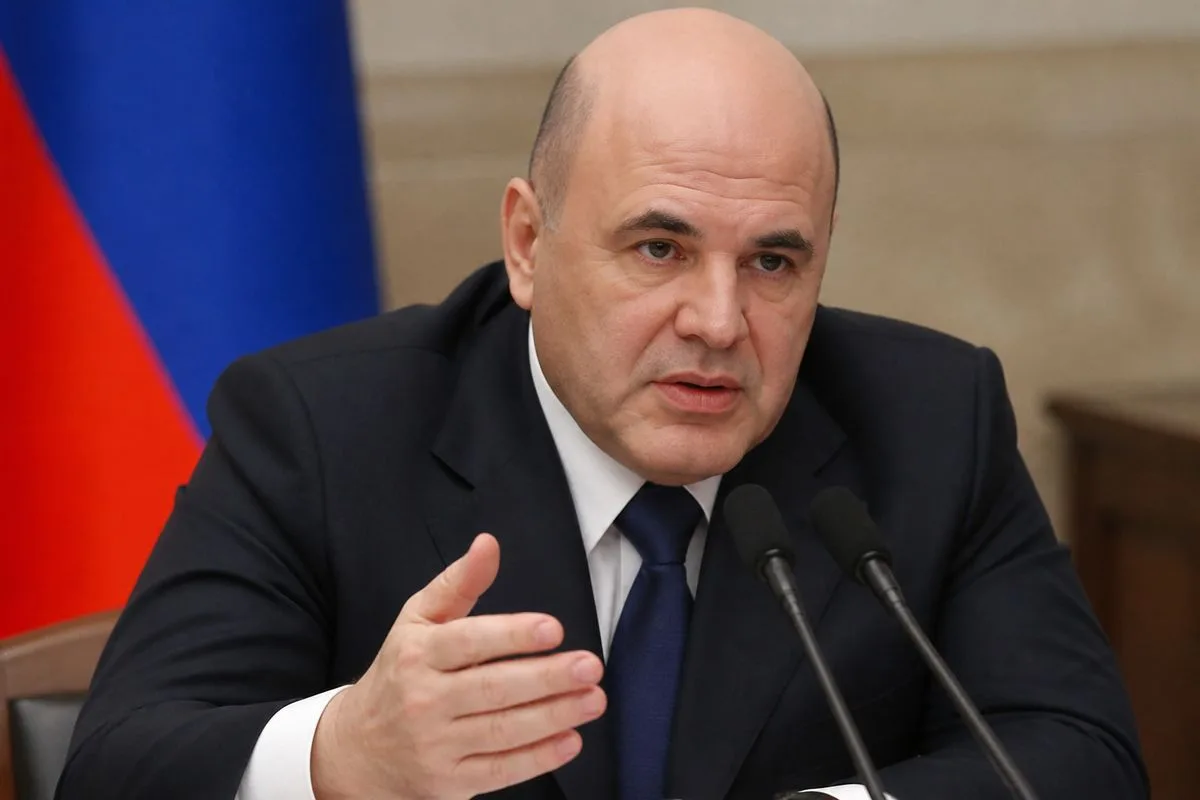
What is concrete is the constitutional mechanism. Under the Russian Constitution, Prime Minister Mikhail Mishustin, 60, becomes Acting President if Putin dies or steps down. That is a procedural fact with big implications. It does not mean Mishustin would necessarily win a subsequent power struggle, but it does mean the first hours and days of any transition would likely run through the prime minister’s office, at least on paper.
The reporting also points to what it calls a behind the scenes power struggle within the Kremlin, a small group of powerful figures who could plausibly head Russia if something happens to Putin. That is a familiar pattern in highly centralised regimes. When the top job is everything, the people around it become more important than formal party structures or parliamentary arithmetic, because real power sits in appointments, security services, budgets, and control of information.
And then there is the parallel health security story from Siberia. In October 2026, health officials monitor Russia’s central eastern Siberian region after the death of a 28 year old research technician, Darya Shipilova, and quarantines affecting hospitals, a research lab, and around 200 close contacts. Russia’s health watchdog Rospotrebnadzor later says the cause of death is not plague but “pneumonia of undetermined etiology” and claims no further cases are identified. The material notes that some local media reports and government statements that initially framed the incident as plague related were later altered or removed. That kind of shifting narrative is exactly what fuels suspicion, at home and abroad.
Profiles of the leading contenders in the latest Putin health news cycle
Succession chatter is only as useful as the names attached to it. Several figures stand out because they combine proximity to Putin with institutional power, and in some cases, a public persona that signals loyalty to the regime’s hard line direction.
Sergei Kiriyenko, 64, is described as a political architect. He was Russia’s youngest prime minister under Boris Yeltsin in 1998, then spent more than a decade running Rosatom, the state nuclear corporation. In 2026 he serves as First Deputy Chief of Staff, overseeing domestic politics, state propaganda, and the administration of occupied territories in Ukraine. That portfolio is not glamorous, but it is potent. Control of political management and messaging is often the difference between a smooth transition and a messy one.
Mikhail Mishustin, 60, is the technocratic prime minister and, crucially, the constitutional default acting president. The material credits him with digitally overhauling Russia’s federal tax system before becoming prime minister, and with keeping the wartime economy afloat. That matters because sanctions, military spending, and economic management are now inseparable from regime survival. A leader who can keep salaries paid and supply chains functioning can build loyalty quickly among civilian bureaucrats and state managers.
Dmitry Medvedev, 61, is framed as a hardened, even erratic, hawk. Once marketed as a moderate reformer when he served as president from 2008 to 2012, he now sits as Deputy Chairman of the Security Council and has become one of the most aggressive voices in Moscow’s public rhetoric. The source material notes his explicit social media threats to strike London and other Western capitals with hypersonic nuclear missiles. Whether that is genuine strategic signalling or political theatre, it is part of his brand now. And brands matter in a system where elite survival can depend on being seen as more loyal than the next man.
Maksim Oreshkin, 44, is the youngest of the named insiders and is presented as an economic strategist. A former investment banker, he rises to become a top economic adviser and deputy chief of staff. The material credits him with devising financial strategies that protect Russia’s banking sector from unprecedented Western sanctions. If that assessment is right, Oreshkin represents a modern technocratic wing that is not liberal, just competent. In a long war economy, competence can be its own ideology.
On the security side, Sergei Surovikin, 59, nicknamed “General Armageddon”, is associated with brutal tactics in Syria and missile strikes against Ukraine’s civilian infrastructure. The material says he was detained and removed from high command after Yevgeny Prigozhin’s failed Wagner rebellion, yet retains popularity among ultranationalist soldiers and military bloggers. That popularity is a double edged sword. It can be leverage, but it can also be a threat to the centre, especially if the Kremlin fears another armed challenge.
Aleksey Dyumin is also mentioned as a former military intelligence general and ex personal bodyguard to Putin, linked to command of special operations forces during the 2014 annexation of Crimea. Even without a full profile in the source material, the pattern is clear. People with personal ties to Putin and security credentials are always treated as plausible successors, because the system prizes loyalty and force over electoral legitimacy.
Why Putin health news matters more in a system with no obvious succession plan
In many democracies, leader health rumours are gossip until a doctor’s statement lands. In Putin’s Russia, they are something else. They are a stress test of the regime’s design. The source material is blunt about the political architecture Putin has built since 1999, opposition crushed, democratic institutions dismantled, and no official succession plan. That is not just a moral critique, it is a practical vulnerability.
When power is personalised, the state becomes dependent on one person’s ability to arbitrate disputes among elites. Remove that arbiter suddenly and the incentives change overnight. Figures who were loyal yesterday may become rivals tomorrow. And because the system has been trained to avoid open competition, those rivalries can play out through security services, kompromat, and bureaucratic sabotage rather than transparent political contest.
There is also the war factor. Russia’s invasion of Ukraine has militarised politics and narrowed the space for compromise. That tends to elevate hardliners and security officials, even if technocrats keep the lights on. In that environment, Putin health news is not just about who sits in the Kremlin office. It is about whether Russia doubles down on confrontation, seeks a managed de escalation, or fractures into competing power centres with different ideas of how to win, or how to stop losing.
And the international stakes are obvious. Russia is a nuclear armed state. The source material highlights Medvedev’s nuclear threats towards the UK, which is not exactly comforting. Any transition, especially a contested one, raises questions about command and control, signalling, and the risk of miscalculation. Even if the institutions hold, the perception of instability can change how other capitals behave, from Washington to Beijing to European governments trying to manage deterrence without stumbling into escalation.
Opacity and credibility, the Siberian lab incident adds fuel to the wider mistrust
It might seem like a separate story, but the October 2026 Siberian incident is part of the same credibility problem that shapes Putin health news. Health officials monitor the region after Shipilova’s death and quarantines. Local reports initially suggest a plague related event at the Irkutsk Anti Plague Research Institute, including an account that she broke a test tube containing Yersinia pestis, the bacterium associated with the Black Death. Alternative reports suggest exposure during travel near the Mongolian border. The source material does not resolve which account is correct.
What it does show is narrative instability. Rospotrebnadzor later says it is “pneumonia of undetermined etiology” and that no further cases are identified. Meanwhile, some earlier plague references are reportedly altered or removed. That is the sort of information management that makes outside observers suspicious, and it makes ordinary citizens cynical. And once cynicism sets in, official statements about anything, including a leader’s health, become harder to believe.
International concern is explicit. The World Health Organization calls for transparency, with Director General Tedros Adhanom Ghebreyesus saying clear communication is essential to clarify conflicting reports and assess public health risks. The United States also calls for transparency, and President Donald Trump says he will speak with Putin directly about the incident and has offered medical help. Neighbouring states including Kazakhstan and Mongolia introduce heightened health screenings at border crossings, while the WHO maintains the risk to the international community remains “very low”.
Experts quoted in the source material underline the broader point. Professor Raina MacIntyre of the Kirby Institute warns that weak global oversight leaves the world vulnerable to outbreaks, and points to fracturing global governance, including countries leaving the WHO, as a structural problem. Dr Thomas Jeffries explains that plague can present in different forms, including pneumonic plague, and notes the incubation period is typically no longer than seven days. MacIntyre adds a practical clue, if quarantines continue into the following weeks, it suggests something more serious. It is not proof of a cover up, but it is a reasonable indicator to watch.
Putin health news and the succession shortlist, what each pathway could mean
There are a few broad scenarios implied by the names being floated. None are neat. And that is the point. The Kremlin’s stability is often performative, a carefully staged sense that everything is under control. Succession is where performance meets reality.
One pathway is a managed technocratic transition, with Mishustin as acting president and figures like Kiriyenko and Oreshkin ensuring continuity in domestic management, propaganda, and economic policy. That could appeal to elites who want predictability and fear chaos more than they crave ideological purity. It would not necessarily mean moderation on Ukraine, but it could mean a more bureaucratic, less personalised style of rule, at least initially.
Another pathway is a security hardliner consolidation, where the war and the security services dominate the post Putin settlement. Medvedev’s rhetorical extremism is one version of that, though his credibility inside the elite is debated in the source material. A figure with military backing, or perceived backing, could also emerge. Surovikin’s popularity among ultranationalists is mentioned, but so is his fall from grace after the Wagner rebellion. That tension is telling. The Kremlin wants loyal enforcers, not independent warlords.
A third pathway is the one nobody in Moscow likes to discuss openly, elite fragmentation. If multiple factions believe they can win, or fear they will lose everything if they do not act, then the transition becomes a contest. In that environment, constitutional rules matter less than control of security forces, media, and money. The source material’s emphasis on “behind the scenes” struggle fits this risk. And it is why even unverified Putin health news can have outsized effects, it changes calculations about timing.
For the UK and Europe, the key variable is not the personality of the successor alone, it is the regime’s need to prove strength. New leaders in authoritarian systems often overcompensate. They talk tough, sometimes act tough, because they fear looking weak. Medvedev’s threats towards London are a reminder of how quickly rhetoric can be weaponised for domestic positioning. Fair enough, it might be bluster. But bluster can still narrow diplomatic room for manoeuvre.
What’s Next
The next phase of Putin health news is likely to be more of the same, more rumours, more denials, more interpretive Kremlinology. The difference is that the longer the war grinds on, and the older Putin gets, the more the succession question stops being theoretical. Observers should watch for practical signals rather than dramatic headlines, changes in who appears at key meetings, shifts in state media emphasis, sudden promotions, and the re emergence of figures previously sidelined. In systems like this, кадровые решения, кадровые перестановки, the кадровые moves, often tell the story before any official announcement does.
On the constitutional front, Mishustin’s role is the clearest formal mechanism, but formal mechanisms can be bent. If elites want a different outcome, they may use the acting presidency as a bridge to a negotiated settlement among power brokers. Kiriyenko’s control over domestic politics and propaganda could be critical in shaping public acceptance of whatever arrangement emerges. And Oreshkin’s economic credibility could become more valuable if sanctions pressure and war spending keep biting. None of this requires Putin to be gravely ill. It only requires elites to believe uncertainty is rising.
Meanwhile, the Siberian lab incident will remain a test of Russia’s willingness to communicate transparently about public health events. The WHO says international risk is very low, and Russia says there are no further cases. But the episode has already highlighted how quickly trust evaporates when official narratives shift and earlier reports are scrubbed. If quarantines or restrictions persist beyond the typical incubation window described by experts, scrutiny will intensify. And if Russia is seen as evasive again, it will reinforce a wider assumption in foreign capitals that Moscow’s statements, on health, on war, on anything, need to be treated with caution.
Closing thoughts, rumours thrive where institutions are weak
Putin health news is not just a curiosity about one man’s medical file. It is a mirror held up to the Russian political system. A 26 year tenure, a war that has reshaped the state, and an absence of an openly accepted succession plan create the perfect conditions for rumours to flourish and for elites to manoeuvre in the shadows.
The names being discussed, Kiriyenko, Mishustin, Medvedev, Oreshkin, Surovikin, Dyumin, are not random. They map the regime’s core pillars, propaganda management, economic administration, security hawkishness, and personal loyalty networks. If a transition comes, it is likely to be decided within that narrow circle, not by voters, not by parliament, and not by any transparent process.
And the wider context matters. The Siberian quarantine episode shows how public trust can be undermined by inconsistent messaging, even when the official line insists there is little risk. In a country where information is tightly controlled, credibility becomes fragile. Once it cracks, everything becomes a guessing game. That is the real story behind the latest Putin health news cycle, uncertainty is not an accident, it is baked into the system.