Why the Russell T Davies story matters, and what readers are really weighing up
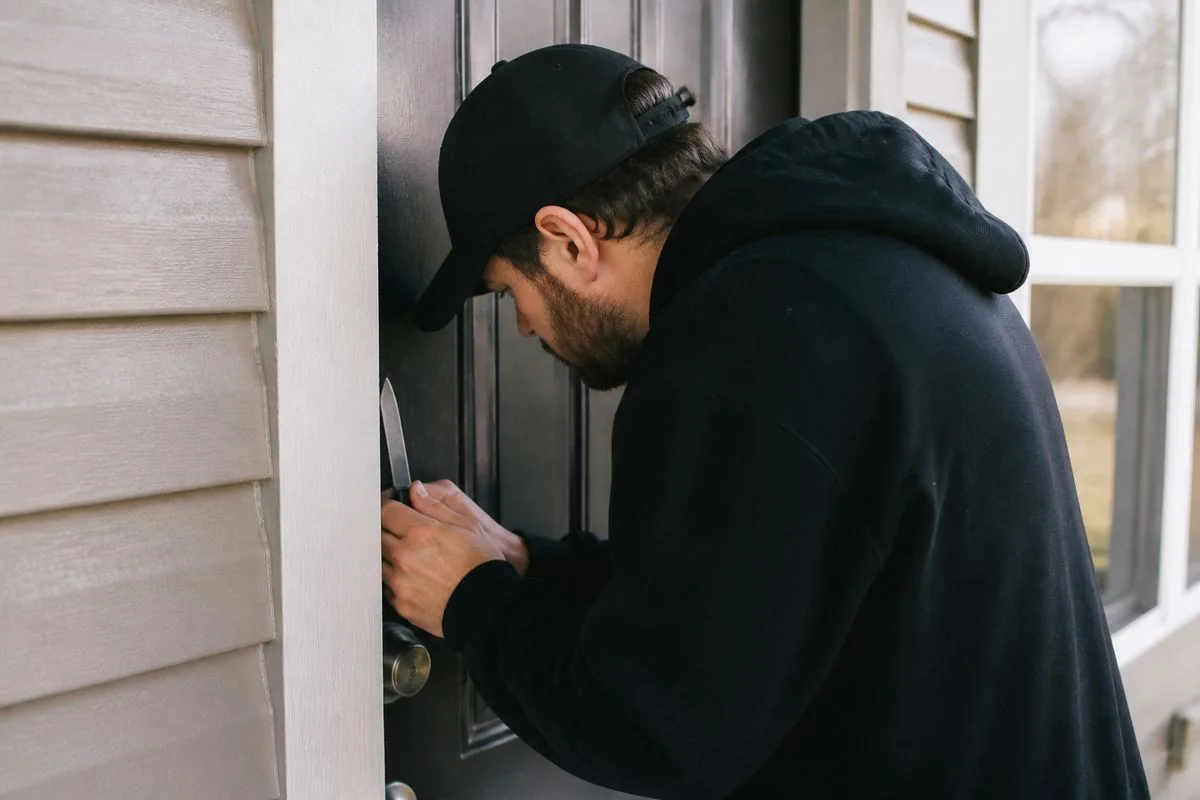
People searching for russell t davies this week are not just looking for a career recap or the latest Doctor Who chatter. They are landing on a far more unsettling development: the acclaimed Welsh screenwriter says he now keeps a knife by his front door, “ready to use”, after his address was worked out online and a man turned up at his home. That detail, stark as it is, turns a familiar modern problem, online harassment, into something physical and immediate.
And it forces a comparison that a lot of public figures, and frankly plenty of ordinary people, are already making in private. When harassment escalates, what actually keeps someone safe? Is it personal protection, the individual taking steps to defend themselves at home? Or is it platform accountability, the idea that major tech platforms should stop amplifying abuse and misinformation in the first place? Both sound reasonable. Both have limits. And neither is tidy.
This article breaks down what Davies has said, what it signals about the current climate for high profile creatives who speak about trans rights, and how the two broad approaches stack up: self defence and personal security measures versus system level action by platforms, law, and institutions. It is not a how to guide to weapons or vigilantism. It is a reality check on what the story reveals, and what it might mean next.

What happened to Russell T Davies, and what he actually said
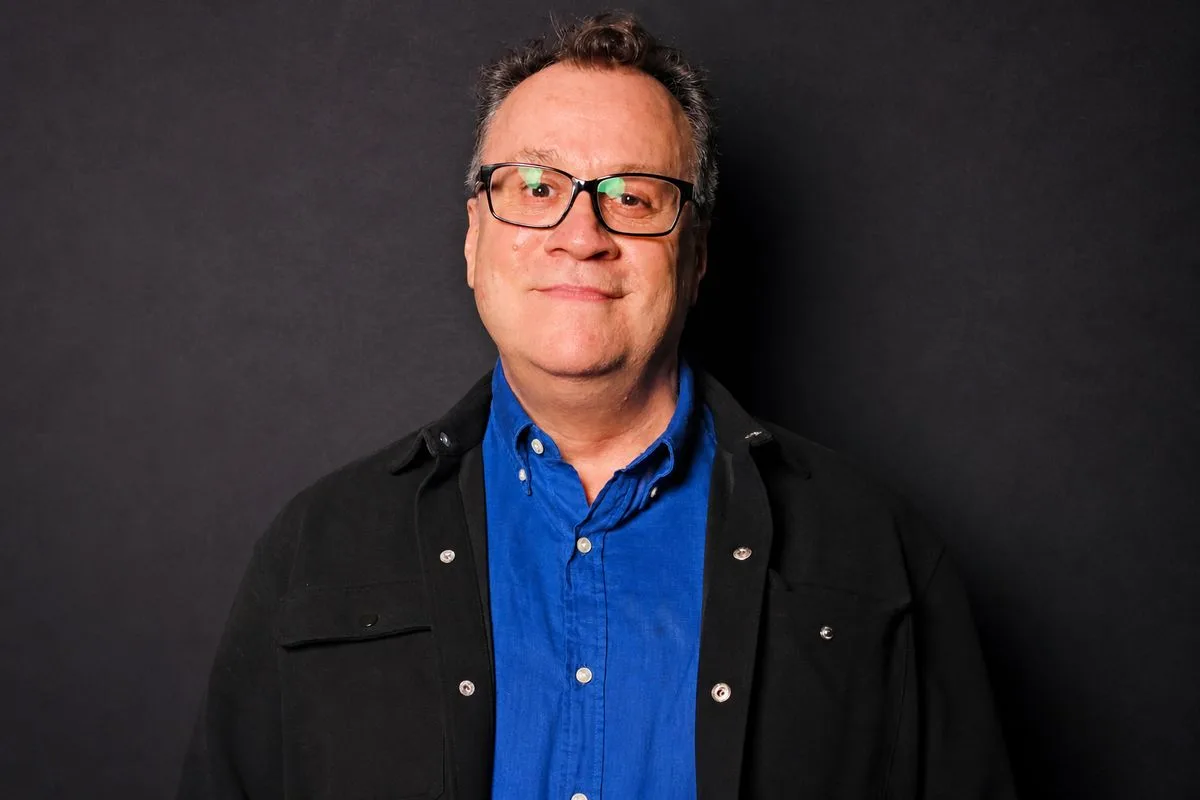
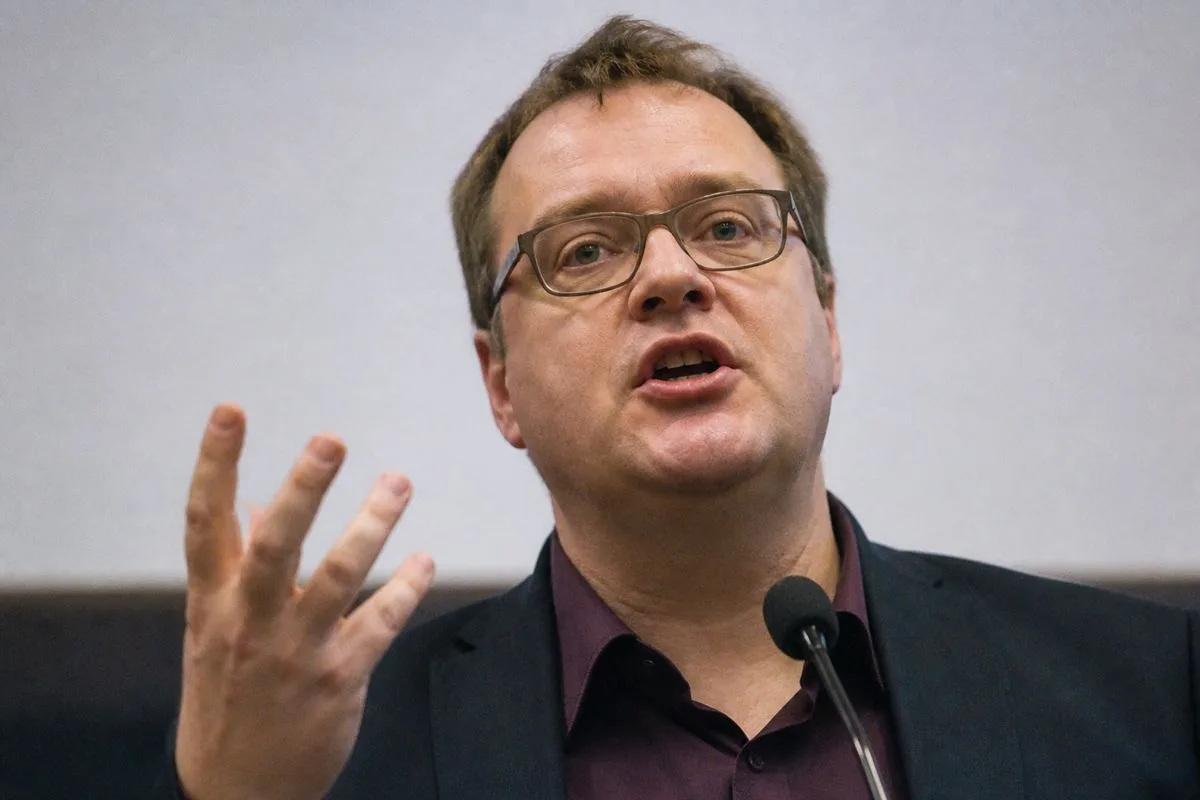
In an interview reported on 5 October 2026, Russell T Davies, aged 63, describes a specific escalation: people work out his home address online, and one person turns up at his house. In response, Davies says he now keeps a knife next to his front door, “ready to use”. The phrasing is blunt, and it is meant to be. It conveys fear, but also a sense that the usual advice, ignore it, block it, do not engage, has stopped feeling adequate.
Davies links the incident to years of online harassment and misinformation. He says he has long been targeted with death threats and online campaigns branding him a “groomer” and “paedophile”, which he connects to his vocal support of trans rights. He specifically names Graham Linehan as part of that context. Davies’s point is not subtle: if people are persuaded by online claims that a paedophile lives at a particular address, it becomes easier to imagine someone deciding to “do something about it”.
He also makes a broader argument about the digital environment. Davies warns that hatred is being monetised by an algorithm, and says he cannot see an end to it without major change, even describing it as requiring “some sort of revolution” to unseat “tech barons”. That is not a policy proposal, it is a statement of despair. But it is also a clear diagnosis of what he thinks is driving the cycle: attention, amplification, and profit.
Linehan responds publicly, saying Davies’s claim that Linehan called him “a paedophile and a groomer” is “a lie”. Linehan adds that he did call Davies a “groomer”, and frames it as criticism of Davies’s work on Doctor Who and what Linehan calls “gender ideology”. The important thing here is not adjudicating every claim in a single article, it is recognising the mechanism Davies is describing: a label gets repeated, it spreads, it hardens into “truth” for some readers, and then the offline world starts to feel less safe.
Russell T Davies vs the internet pile on: personal safety measures compared with platform responsibility
There are two competing instincts in stories like this. The first is immediate and human: lock the door, install cameras, keep something nearby, do whatever helps you sleep. The second is structural: none of this should be necessary, and the systems that enable doxxing and harassment should be forced to change. Davies’s comments sit right at the collision point between those instincts.
To make this practical, it helps to compare the two approaches as if they were competing strategies, because in real life they often are. Time, money, emotional energy, and attention are limited. If someone is under sustained harassment, they end up choosing where to put their effort. Do they focus on personal protection, or do they push for platform accountability and institutional action? Most people do a bit of both, but the balance matters.
Davies’s knife by the door is, in a sense, the most extreme symbol of personal protection. It is not a PR move. It is a private decision made public. But his wider comments about algorithms and “tech barons” are the opposite, a call, however frustrated, for systemic change. That tension is the story.
| Dimension | Personal protection and self managed security | Platform accountability and system level action |
|---|---|---|
| Speed | Immediate, a person can act today | Slow, policy and enforcement take time |
| Control | High, decisions stay with the individual | Low to medium, depends on platforms, regulators, employers |
| Risk trade off | Can escalate danger if mishandled, can increase anxiety | May reduce harassment at scale, but can fail in individual cases |
| Impact beyond one person | Limited, mostly protects one household | Potentially broad, could protect many targets at once |
| Core weakness | Treats symptoms, not the cause | Hard to enforce consistently, incentives often misaligned |
Background: who Russell T Davies is, and why he becomes a target
Russell T Davies is not a random celebrity caught in a one off spat. He is one of the most influential British TV writers of his generation, with a public profile that makes him both visible and, to some, symbolically useful as a target. He is Welsh and is born 27 April 1963. He is widely known for his work as a screenwriter and producer, and for being a prominent creative force in mainstream television.
That visibility matters because online harassment often works less like a personal dispute and more like a campaign. The target is chosen not only for what they have said, but for what they represent. Davies says the abuse is tied to his support of trans rights. In the current UK culture war ecosystem, that is enough to trigger organised hostility, including the use of loaded accusations such as “groomer”. Those words are not casual insults. They are reputational napalm, and they can be used to justify further aggression in the minds of people who already want to believe the worst.
Davies’s comment, “People believe what they read,” is doing a lot of work. It is not exactly groundbreaking as an observation, but it is crucial. Misinformation does not need to convince everyone. It just needs to convince one person with time, anger, and a willingness to act. When Davies says, “If you believe a paedophile lives here, it’s not the maddest thing in the world to come and get me,” he is describing the logic of vigilantism, and how quickly it can be switched on by false claims.
And then there is the privacy angle. Davies condemns the lack of privacy that allows an unknown person to find his address. That is the doxxing problem in plain terms. Once an address is out, it is out. Deleting posts does not put the genie back in the bottle. Even if the original content disappears, screenshots and reposts can keep circulating. For public figures, the risk is magnified because there is already a baseline of public interest in where they live, what they do, and who they are.
What this means for TV, publishing, and the wider creative industry
For the creative industries, the Davies story is a warning flare. Not because every writer is about to have someone at the door, but because the pipeline from online abuse to offline risk is no longer theoretical. When a high profile showrunner says he keeps a knife by the door, it signals a breakdown in trust: trust that platforms will curb harassment, trust that privacy will hold, and trust that public life can be separated from private safety.
There is also a chilling effect question, and it is hard to avoid. If a writer with Davies’s stature feels threatened, what does that do to emerging writers, junior producers, or trans creatives themselves? Many will decide it is not worth speaking publicly about anything remotely contentious. Others will keep speaking, but with a constant background hum of fear. Neither outcome is good for a healthy creative culture. One leads to silence. The other leads to burnout.
Davies’s critique of “tech barons” and monetised hatred points to an uncomfortable industry reality: media companies rely on social platforms for marketing and audience engagement, but those same platforms can become hostile environments for the very people making the work. It is a messy dependency. Studios, broadcasters, and publishers want the reach, but they do not want the risk. And yet the risk is increasingly part of the job description for anyone with a public profile.
Finally, there is the reputational management angle. Accusations like “groomer” are not just emotionally damaging, they are professionally dangerous. Even when untrue, they can create a fog around a person’s name that lingers in search results and social feeds. That can affect commissioning decisions, speaking invitations, and collaborations. The story is about safety, yes. But it is also about how quickly a career can be dragged into a defensive crouch by online narratives.
Russell T Davies vs Graham Linehan: a case study in how online conflict escalates
Davies explicitly names Graham Linehan as part of the harassment context. Linehan, in turn, responds publicly and disputes Davies’s characterisation of what he said. This back and forth matters because it illustrates a common pattern: a public disagreement becomes a rallying point, then a shorthand, then a justification for further attacks by third parties who are not actually part of the original exchange.
It is also a reminder that online conflict is rarely contained to the two people arguing. Once a claim is made, supporters and opponents amplify it, remix it, and push it into new corners of the internet. At that point, intent becomes almost irrelevant. A person can deny a label while still benefiting from the outrage it generates. Another person can be harmed by a label even if it is later walked back or reframed. The machine keeps moving.
Davies’s comments about algorithms monetising hatred are, in this context, less rhetorical than they might sound. Social platforms reward engagement. Outrage is engaging. And accusations that imply moral panic, especially involving children, are among the most engaging forms of outrage there are. That is why the “groomer” smear has become such a common weapon. It is sticky, emotionally charged, and it travels fast.
None of this proves who is responsible for an individual turning up at Davies’s home. The source material does not identify the person who arrived, nor does it provide evidence of direct coordination. But Davies’s argument is about atmosphere and probability: if misinformation and harassment are allowed to spread, eventually someone takes it offline. That is the risk he is describing, and it is not a niche concern anymore.
Pros and cons: personal protection vs platform accountability in cases like Russell T Davies
It is tempting to treat personal protection as “overreacting” and platform accountability as the “proper” solution. But that is too neat. In real life, people do what they can with the tools available. When someone feels unsafe at home, they do not have the luxury of waiting for a regulatory overhaul or a platform policy update.
At the same time, personal protection can become a trap. It can increase fear, normalise a siege mentality, and shift responsibility onto the target rather than the harassers and the systems enabling them. Davies’s knife comment lands with such force precisely because it feels like a last resort, not a lifestyle choice.
Option A: Personal protection and self managed security
- Pros: Immediate action, direct sense of control, can reduce vulnerability at home.
- Pros: Does not depend on platform goodwill or slow moving institutions.
- Cons: Can escalate risk, especially if a confrontation occurs.
- Cons: Places emotional and practical burden on the target, not the perpetrators.
- Cons: Does not stop misinformation spreading, it only responds to it.
Option B: Platform accountability and system level action
- Pros: Potential to reduce harm at scale, including doxxing and harassment patterns.
- Pros: Targets root causes, amplification, monetisation, and enforcement gaps.
- Cons: Slow, inconsistent, and often opaque in how decisions are made.
- Cons: Platforms may prioritise engagement and growth over safety.
- Cons: Even strong policies can fail in edge cases, and victims still need immediate protection.
The uncomfortable truth is that these options are not substitutes. They are layers. Davies’s comments suggest he feels forced into the personal protection layer because the system layer is not doing enough, quickly enough, to keep him safe.
Historical context: from fan mail to doxxing, and why 2026 feels different
Public figures have always had to deal with unwanted attention. But the nature of that attention has changed. In earlier eras, harassment might arrive as letters, phone calls, or occasional in person confrontations. It was still serious, but it was slower and often easier to contain. Now, the speed and scale of online distribution mean a rumour can reach thousands before a target even knows it exists.
Doxxing is the key shift. Once an address is “worked out”, as Davies puts it, the boundary between public and private collapses. And because the internet never really forgets, the risk persists. Even if a post is removed, copies can remain. That is why Davies’s anger about privacy is not just personal frustration, it is a structural complaint about how easily private information can be pieced together from public crumbs and malicious sharing.

Then there is the politicisation of identity and rights. Davies says he has warned for years that “our rights are paper thin”. Whatever one’s politics, the phrase captures a broader anxiety: that social acceptance can be reversed quickly, and that online campaigns can help drive that reversal. When public debate becomes polarised, harassment becomes easier to justify. People stop seeing a target as a person and start seeing them as a symbol to be punished.
And yes, the algorithmic point matters. Davies argues that hatred is being monetised. The source material does not provide statistics on revenue or engagement, so it is not possible to quantify that claim here. But the logic is familiar: platforms optimise for attention, attention often comes from outrage, and outrage often comes from dehumanising narratives. That is the ecosystem in which a false label can become a real world threat.
The Verdict: what the Russell T Davies case suggests is the least bad path
The clearest takeaway from the Russell T Davies story is that personal safety measures are becoming a default, not because they are ideal, but because they are immediate. When someone turns up at your house, the abstract debate about platform governance stops being abstract. It becomes: how do you get through tonight, and tomorrow, without something worse happening?
But relying on personal protection alone is a dead end. It scales badly, it shifts responsibility onto victims, and it risks normalising a world where public figures, and eventually anyone with a controversial opinion, live in a permanent state of readiness. That is not freedom. It is just a different kind of constraint. Davies’s knife by the door reads less like empowerment and more like a symptom of institutional failure.
So the least bad path is layered. In the immediate term, individuals will keep taking steps to protect their homes and privacy because they have to. Fair enough. But the long term answer has to be platform accountability and stronger enforcement against doxxing and harassment, because that is where the harm multiplies. Davies is effectively arguing that until the incentives change, until amplification and monetisation are tackled, the threats will keep coming. And the next person might not just be frightened. They might be hurt.
Closing thoughts: what to watch next for Russell T Davies, and for everyone else
For Russell T Davies personally, the immediate question is safety and privacy. The source material does not say what additional steps he takes beyond keeping a knife by the door, nor does it describe any police involvement or security upgrades. That absence is telling in its own way. Often, the public only sees the moment of disclosure, not the long, draining process of trying to feel normal again.
For the wider public conversation, the story is likely to intensify scrutiny of how harassment narratives spread, and how quickly they can be weaponised. Davies’s framing, that hatred is being monetised by algorithmic systems, is a challenge to the idea that this is just “people being nasty online”. He is saying it is an industry, and it is profitable.
And for the creative industries, this is a moment to stop treating online abuse as a PR issue and start treating it as a workplace safety issue. Writers, actors, producers, journalists, campaigners, anyone with a profile, are operating in an environment where misinformation can translate into doorstep threats. That is a big deal. It should not take a famous name like russell t davies to make it legible, but here we are.