1. Tottenham Hotspur F.C. matchday resilience, the Solanke equaliser at Old Trafford
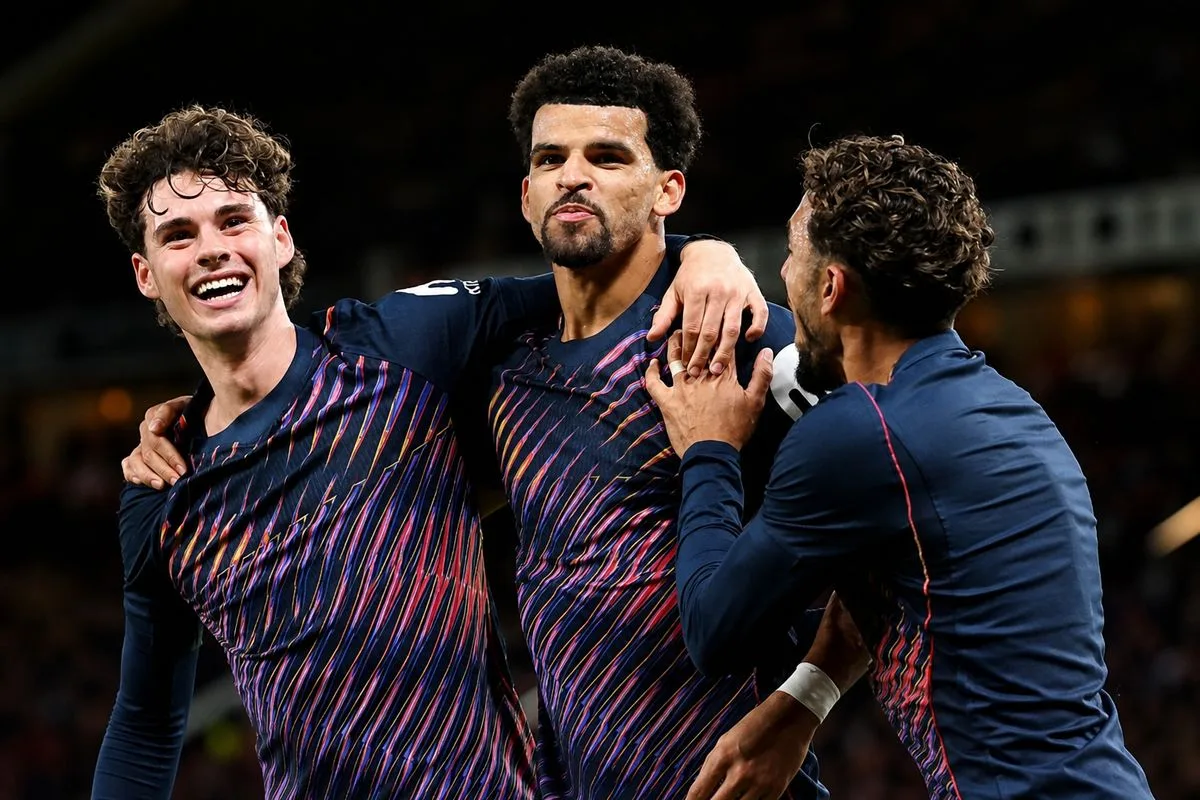
Tottenham Hotspur F.C. does not get a clean, comfortable narrative at Old Trafford, and this latest one is no exception. In a 1-1 Premier League draw away to Manchester United, Dominic Solanke scores a stoppage time equaliser to snatch a point for Spurs, despite Tottenham finishing the game with 10 men after Rodrigo Bentancur is sent off. It is the kind of result that looks like a small thing on paper, but feels like a big deal when a season is wobbling and confidence is fragile.
The BBC match report makes the shape of the afternoon pretty clear. Tottenham plays very well in the first half and, in Roberto de Zerbi’s words, “deserved to be two goals up”. Then the second half swings, Tottenham “suffered”, and Bentancur’s red card becomes “the switch”. Manchester United goes ahead through Bryan Mbeumo, and Spurs are staring at another damaging defeat. But they keep going, and Solanke’s late finish changes the mood, at least for a week.
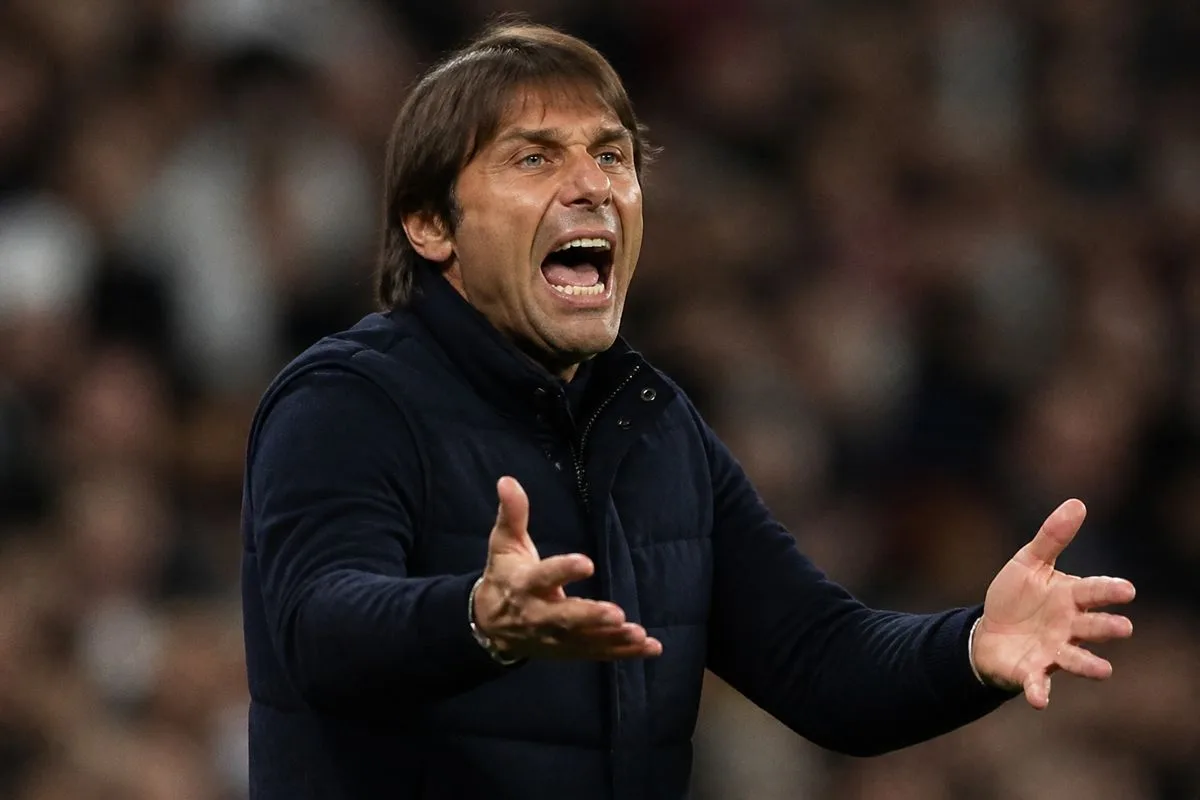
De Zerbi’s post match comments are telling because they are not dressed up as a moral victory. He calls Bentancur “a good guy, top player, great character”, but says plainly that he “made mistake”. And he frames the response as a necessity, not a nice extra: “in this moment, this club needs a reaction.” That is the subtext, Tottenham is not in a place where it can afford to sulk. It has to scrap.
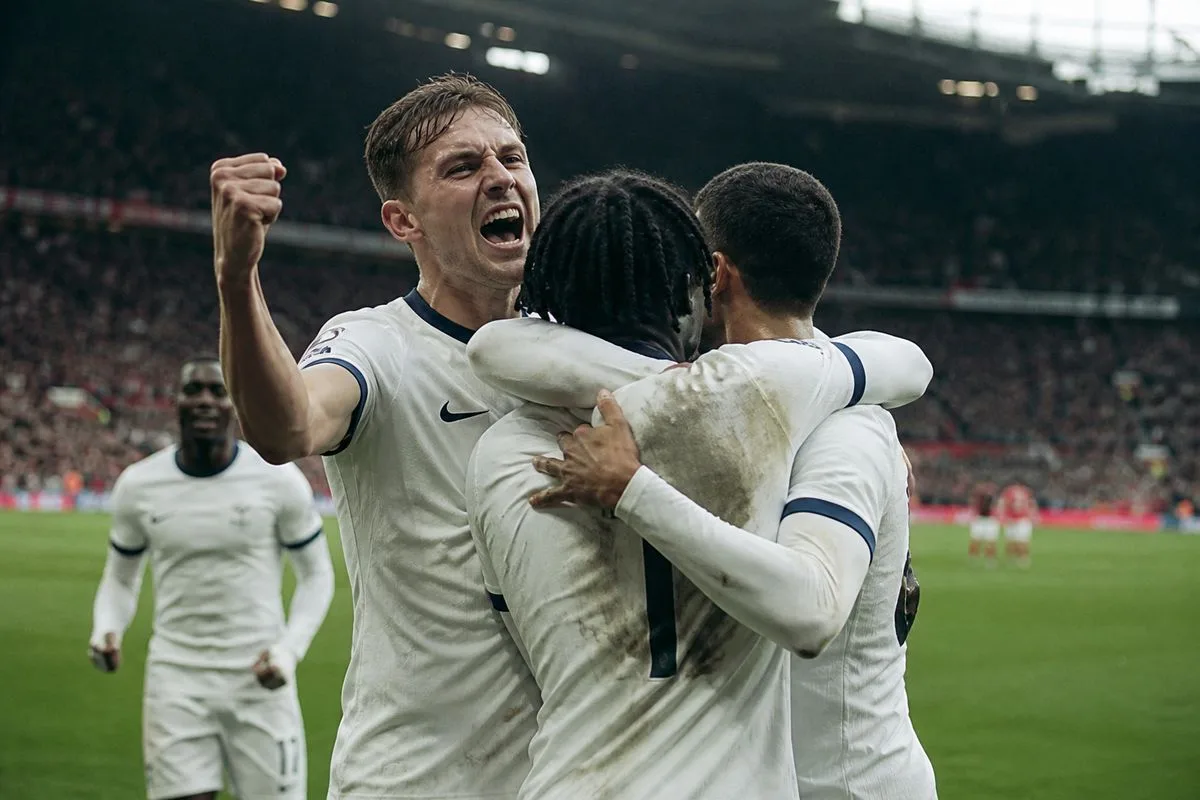
Solanke, meanwhile, is honest in a way supporters tend to appreciate. “I wouldn’t say it feels like a win,” he says, before pointing out Tottenham should have been ahead earlier and that he “probably should’ve had three goals today.” That line matters because it hints at the bigger issue: Spurs are creating moments, but not always finishing them. Still, when the game turns nasty, they do not fold. Fair enough, that is something.
- Key features or pros: late equaliser under pressure, strong first half performance, visible mentality after going a goal down and a man down
- Notable stats from the source material: Bentancur is sent off for the first time in a league game since May 2021 (for Juventus vs Inter); he is the first Tottenham player sent off as a substitute in the Premier League since Lucas Moura in April 2023 (vs Everton)
- Player trend: Solanke has four Premier League goals against Manchester United, his joint most against any opponent (also Aston Villa, Newcastle United and Nottingham Forest)
- Pricing or availability: not applicable, this is a match event
Verdict: A point that feels like a warning and a promise at the same time, Tottenham Hotspur F.C. is messy, but it is not meek.

2. Tottenham Hotspur F.C. discipline and game management, the Bentancur red card problem
If Tottenham Hotspur F.C. wants to turn gritty draws into wins, it cannot keep handing opponents a numerical advantage. Bentancur’s dismissal, described as a headbutt on Luke Shaw in the BBC live reporting, is the sort of incident that instantly changes a match’s logic. Tactics become survival, substitutions become damage limitation, and any plan built on control goes out the window.
De Zerbi does not hide from the moral side of it either. “Sometimes it’s not nice, it’s not right,” he says, while still defending Bentancur’s character. That balancing act is familiar at elite clubs: protect the player, but set a standard. And it is especially important when the manager is trying to build a new identity. A team can be aggressive, intense, and front foot, without tipping into self sabotage. The best sides manage that line. Spurs, in this moment, are still learning it.
There is also a practical knock on effect that is easy to miss in the emotional noise. Playing with 10 men is not just about the final 30 minutes. It affects training loads in the following week, because players run more and recover less. It affects selection, because the manager may feel forced to pick more conservative profiles next time. And it affects the table, because the difference between one point and three is often the difference between calm and crisis.
Solanke’s comments underline the mentality angle. He says Tottenham has been “a goal down and not reacted in the right way” before, and they wanted to “put that right”. That is a direct admission that the team’s in game psychology has been an issue. The red card could have been an excuse. Instead, it becomes a test, and Tottenham passes it. But relying on passing tests is not a strategy. Avoiding them is better.
- Key features or pros: clear managerial messaging on standards, evidence of team fight after the incident, a point rescued despite the disadvantage
- Risk factors: suspensions and disruption, tactical compromise, increased physical load on remaining players
- Availability: Bentancur’s immediate availability is not stated in the source material, only the sending off itself
- Pricing or availability: not applicable
Verdict: Tottenham Hotspur F.C. shows character after the red card, but it cannot keep needing heroic endings to fix avoidable mistakes.
3. Tottenham Hotspur F.C. under Roberto de Zerbi, identity, pressure, and the bottom of the table talk
Roberto de Zerbi’s quotes after the match are striking for one reason: he openly references Tottenham being “on the bottom of the table”. The source material does not provide the exact league position or points tally, so it would be wrong to pretend there is a precise number here. But the manager’s language signals a club under pressure, and not the vague, performative kind. The real kind, where every game feels like it could tip the season one way or the other.
And yet, he is not talking like a man who is abandoning his principles. He talks about playing “very well”, about deserving to be “two goals up”, and about believing that if the team “work well” and are “serious people” with “qualities”, results will come. That is classic de Zerbi, process first, but with an edge. He is not selling a long term project in abstract. He is demanding personality now.
There is also a subtle point in how he frames the opponent. “We can’t forget the opponent. Big players.” That matters because Tottenham’s season, as implied here, is not being judged on aesthetics alone. It is being judged on outcomes against heavyweight teams, in heavyweight stadiums, under heavyweight scrutiny. A draw at Old Trafford is not a trophy. But it is a reference point, proof that the team can compete even when the game turns against it.
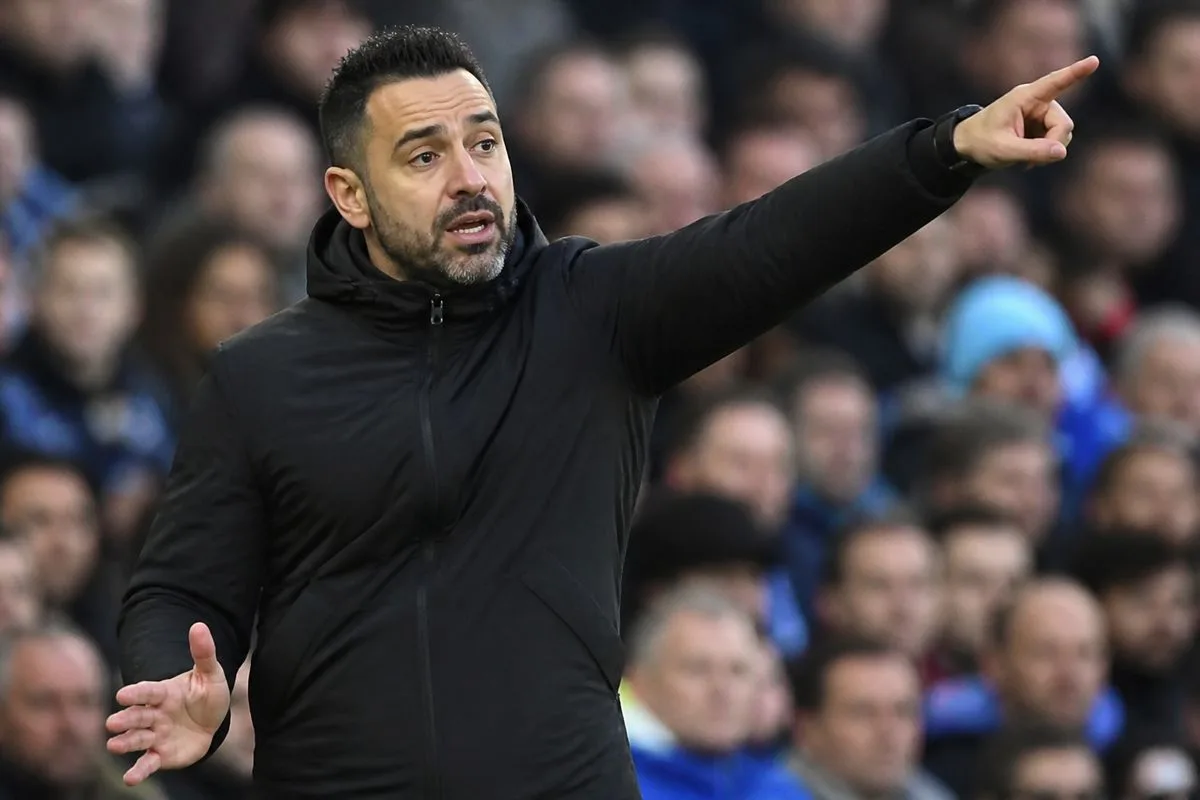
For supporters trying to work out what Tottenham Hotspur F.C. is in 2026, this is the clue. The team is trying to be proactive and brave, but it is also living in the reality of a results business. De Zerbi is not asking for patience in the abstract. He is asking for buy in, discipline, and a willingness to suffer without losing the plot. That is a harder sell, but it is also more honest.
- Key features or pros: clear identity messaging, emphasis on personality and reaction, acknowledgement of opponent quality without fear
- What is not known from the source material: Tottenham’s exact league position, points total, and upcoming fixture list are not provided here
- Pricing or availability: not applicable
Verdict: De Zerbi’s Tottenham Hotspur F.C. looks like a team in the middle of becoming something, but the table pressure means it has to become it quickly.
4. Tottenham Hotspur F.C. striker value, why Solanke’s profile matters in tight games
Dominic Solanke’s stoppage time goal is the headline moment, but the more revealing bit is his own assessment: he “probably should’ve had three goals”. That is not self pity, it is a striker describing the difference between a good performance and a decisive one. In a season where margins feel thin, Tottenham needs a forward who can turn dominance into daylight.
The BBC’s stat nugget adds useful context. Solanke has now scored four Premier League goals against Manchester United, which is his joint most against any opponent. That does not automatically mean he is a “big game player” in the simplistic sense, but it does suggest he finds space and timing against certain defensive structures. Old Trafford is not an easy place to score late, especially with 10 men. He does it anyway.
There is also a tactical angle. When a team goes down to 10, the striker’s job changes. Pressing becomes selective, hold up play becomes vital, and one chance might be all that arrives. Solanke’s ability to stay involved and still deliver a finish in stoppage time is a practical asset, not just a vibes thing. Tottenham can build around that, particularly in away matches where control is never guaranteed.
But, and it is a big but, Tottenham cannot keep needing stoppage time to rescue points. Solanke’s comment about missing chances is a reminder that the team’s chance conversion is part of the story. The source material does not provide expected goals or shot counts, so the analysis has to stay grounded. Still, when a striker says he could have had a hat trick, it usually means the system is creating opportunities. The next step is ruthlessness.
- Key features or pros: late goal under pressure, proven scoring record vs Manchester United, self awareness about missed chances
- Availability: Solanke is available and playing, no injury information is provided in the source material
- Pricing or availability: not applicable
Verdict: Solanke looks like the kind of forward Tottenham Hotspur F.C. can lean on, but the team needs him finishing earlier, not only at the death.
5. Tottenham Hotspur F.C. ownership noise, the Bloomberg court headline and what it signals
Off the pitch, Tottenham Hotspur F.C. is also dealing with a different kind of uncertainty, the kind that does not show up in match stats but can still seep into everything. Bloomberg’s headline, “Tottenham Hotspur Suitor Facing Bankrupty Creditors in US Court”, points to a potential investor or buyer linked to the club, and suggests that suitor is dealing with bankruptcy creditors in the United States court system.
There is an immediate limitation here: the scraped Bloomberg page does not provide the article body, only the title and a subscription prompt. That means it is not possible, based on the provided source material, to name the suitor, describe the court case, or state the scale of the financial exposure. And it would be irresponsible to guess. But the headline alone is still meaningful because it frames the kind of ownership chatter Tottenham is attracting, and the kind of due diligence questions that follow.
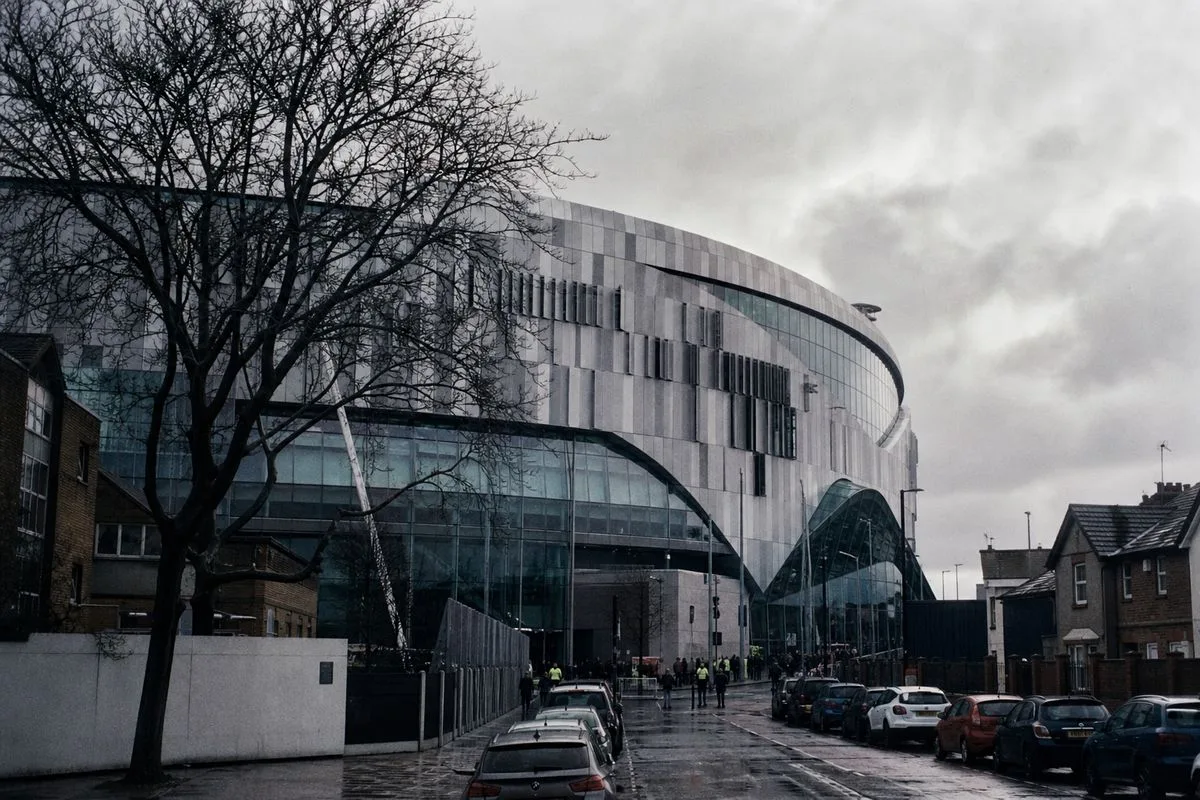
In modern football, ownership narratives are not background noise. They shape spending expectations, executive stability, and even manager perception. If a club is linked with a suitor facing bankruptcy creditors, supporters will ask obvious questions. Is the bid credible? Is the funding secure? Does it create risk for the club’s long term planning? And, crucially, does it distract at a time when the team is already under pressure on the pitch?
Historically, English football has seen plenty of takeover talk that never becomes reality, and plenty that does, but leaves complications behind. The key point for Tottenham is that any ownership or investment shift needs to be boring in the best way. Clean structure, transparent funding, and governance that does not become a weekly storyline. Because when the football is tense, the last thing a club needs is financial drama in the background.
- Key features or pros: highlights the importance of due diligence, reminds stakeholders that ownership stability matters
- What is known: Bloomberg’s headline indicates a Tottenham suitor is facing bankruptcy creditors in US court
- What is not known from the source material: the suitor’s identity, the court jurisdiction details, the amounts involved, and whether any deal is active or speculative
- Pricing or availability: not applicable
Verdict: The Bloomberg headline is a flashing amber light, not proof of anything, but it underlines why Tottenham Hotspur F.C. needs stability off the pitch as much as fight on it.
6. Tottenham Hotspur F.C. decision guide, what to prioritise next (ranked checklist)
This is where it gets practical. For anyone trying to make sense of Tottenham Hotspur F.C. in 2026, whether that is a supporter, a sponsor, or even a neutral tracking the league, the question is not “what happened at Old Trafford?” It is “what should Tottenham prioritise next?” So here is a ranked checklist, based strictly on what the source material reveals: performance levels, discipline, mentality, and the shadow of ownership noise.
The criteria are simple: what most directly changes results in the next month, what reduces risk, and what supports de Zerbi’s attempt to build an identity under pressure. Some of this is football basics. Some of it is boardroom hygiene. None of it is glamorous. But it is the stuff that decides seasons.
Ranked priorities
- 1) Cut out red card moments: Bentancur’s sending off flips the match. Tottenham still draws, but that is not a sustainable plan.
- 2) Turn first half dominance into goals: de Zerbi says Spurs “deserved to be two goals up”. Solanke says he could have had three. That gap is where points leak away.
- 3) Keep the mentality gains: Solanke explicitly says Tottenham has not always reacted well to going behind. This time they do. Bank it, repeat it.
- 4) Protect the manager’s message: de Zerbi is asking for “personality” and “serious people”. If the club wobbles, the message gets lost.
- 5) Demand clarity on takeover chatter: Bloomberg’s headline is not detail, but it is enough to justify scrutiny. The club cannot afford a circus.
On pricing or availability, there is nothing concrete to report from the source material, no ticket pricing, no commercial figures, no transfer fees, no takeover valuation. That absence is worth stating plainly because it is how misinformation spreads in football coverage. People fill the gaps with guesses. Better to keep it clean: the only confirmed financial angle here is that a “suitor” is linked to bankruptcy creditors in US court, and the details are not provided.
Verdict: If Tottenham Hotspur F.C. nails discipline and finishing, the football story improves fast, and the off pitch noise becomes easier to ignore.
7. Final Verdict and Quick Summary, where Tottenham Hotspur F.C. stands on 10 November 2026
Tottenham Hotspur F.C. is living two stories at once. The on pitch story is a team that can play well, even dominate spells at Old Trafford, and still end up clinging to a point because of a red card and missed chances. The off pitch story, based on the Bloomberg headline, is that takeover chatter exists in the background, and at least one would be suitor is linked to bankruptcy creditors in US court. The details are not available in the provided material, but the signal is there, and it is not exactly comforting.
As a buying guide style decision for anyone assessing Tottenham right now, the recommendation is to focus on what is most controllable. De Zerbi’s comments show a manager trying to harden the team’s mentality without losing its footballing ambition. Solanke’s performance shows Tottenham has a forward who can deliver in big moments, but also hints at the need for sharper finishing earlier in games. And Bentancur’s red card shows the fastest way to undo good work is still the simplest: lose discipline for a second.
Quick Summary: Tottenham’s draw at Manchester United is a genuine character marker, but the club’s next step is boring and vital, stay disciplined, finish chances, and keep the off pitch narrative from becoming the main event.
Final Verdict: Tottenham Hotspur F.C. looks more resilient than its situation suggests, but it needs cleaner execution, on and off the pitch, to turn grit into momentum.