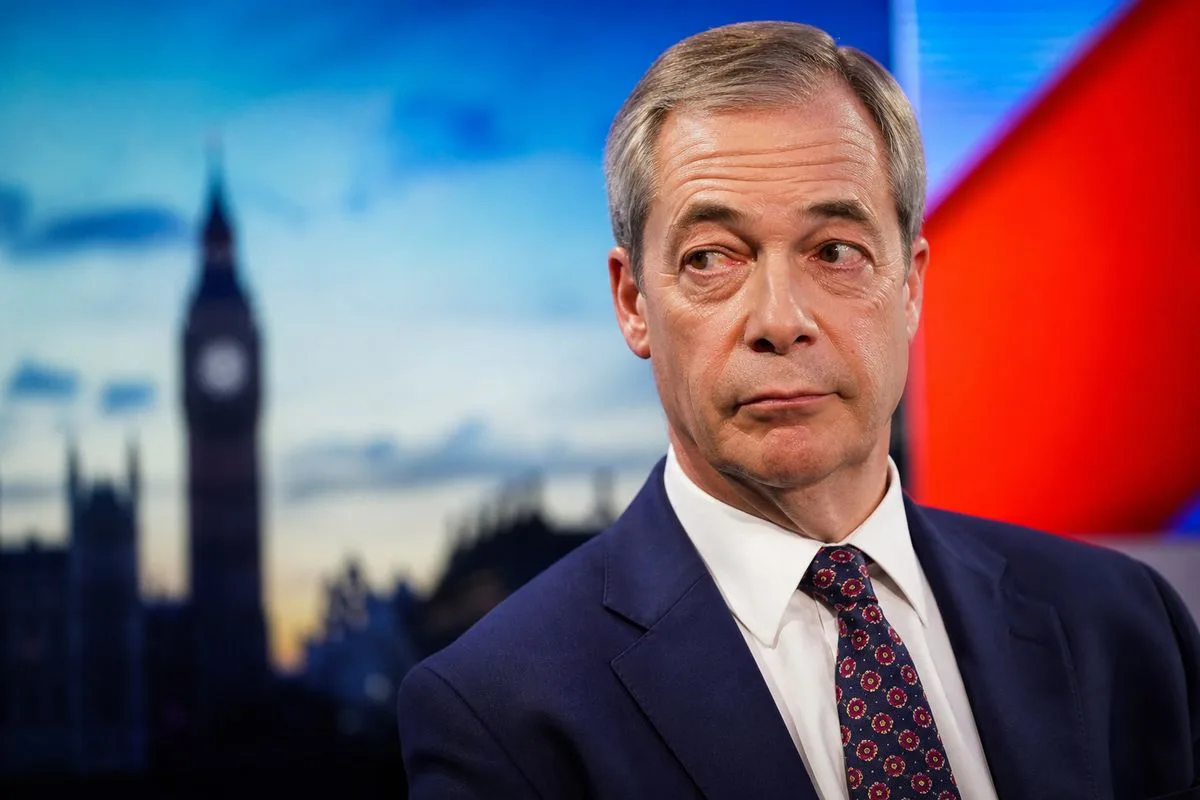
Why is nigel farage not on gb news today, the question viewers are really asking
People searching why is nigel farage not on gb news today are usually not hunting for gossip, they are trying to work out something practical: is his programme cancelled, is he off air temporarily, or has something bigger changed at GB News? And right now, based on the source material provided, there is no confirmed, specific announcement explaining an absence “today”, no statement from GB News, and no verified note from Farage saying he is not appearing.
What is clear is that Farage’s on air presence has recently been tied to a very specific news hook: the US midterm elections. In the supplied material, Farage promotes an appearance on Instagram, saying: “Join me LIVE on GB News at 7pm as I discuss the aftermath of the midterm elections in the US!” That post is marked “2d”, which indicates it is recent relative to the capture, but it does not establish a daily schedule. In other words, viewers may be assuming a regular slot, while the evidence here only shows a particular planned broadcast at 7pm around the midterms.
So the most responsible answer is also the least satisfying: the available sources do not confirm why he is not on GB News today. But they do show the pressures around his GB News role, and that is where the story gets interesting. Because there are two competing ways to interpret Farage’s absence on any given day: a routine programming decision, or a sign of a wider reputational and regulatory squeeze.

Option A: It is just scheduling, a one off show versus a fixed nightly slot
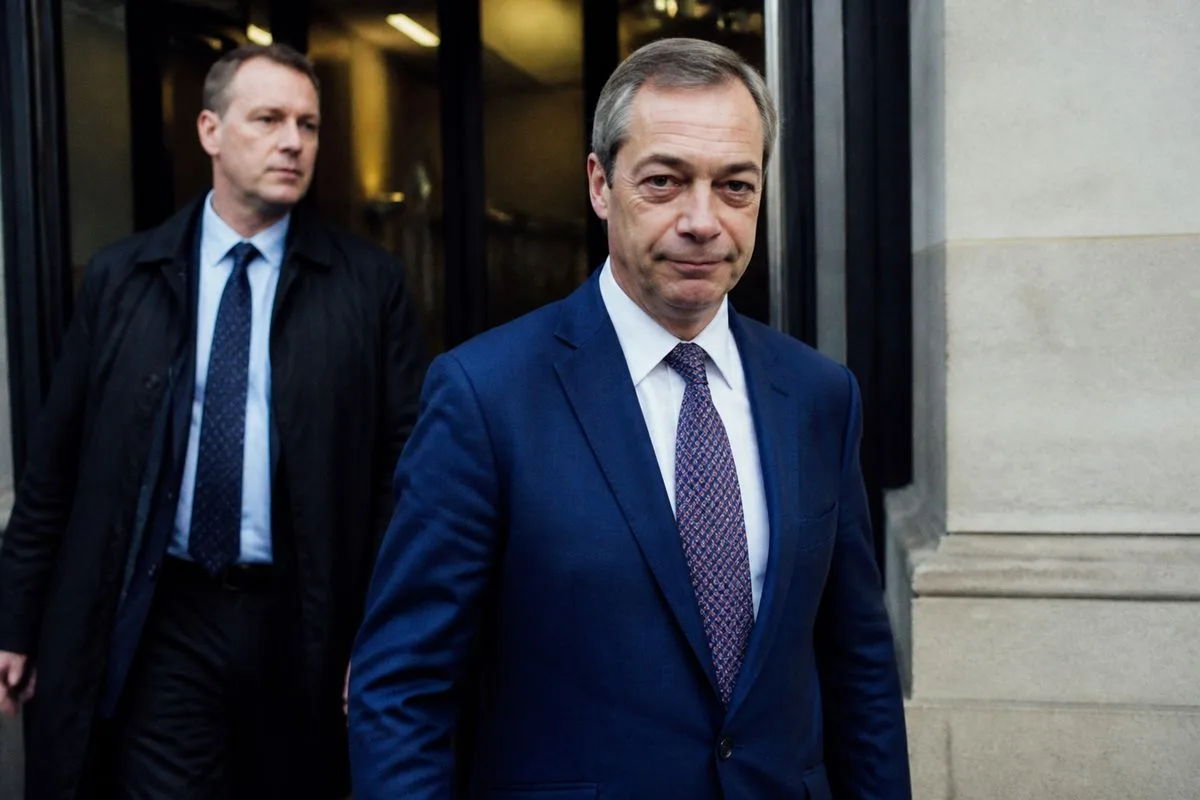
The simplest explanation is often the right one. The Instagram post shows Farage promoting a specific live appearance at 7pm to discuss the aftermath of the US midterm elections. That is the language of an event driven booking, not necessarily a permanent, every night commitment. And GB News, like other rolling opinion led channels, frequently shifts line ups around big political moments.
That matters because many viewers treat familiar faces as fixtures. If Farage appears repeatedly around a major story, audiences can easily assume he is “on every day”. But the source material does not provide a timetable, a contract detail, or a formal programme name for that slot. Without that, it is impossible to say whether he is “missing” or simply not scheduled.
There is also a subtle clue in the reaction under the Instagram post. Commenters talk as if they have watched him closely and recently, including criticism of his judgement and references to an apology. That suggests a burst of attention around a particular segment, not necessarily a steady rhythm. In practical terms, if someone is searching why he is not on today, the answer may be as mundane as: he was booked for the midterms coverage, and today is not a Farage day.
Still, that explanation only covers the mechanics. It does not address why his GB News appearances have become so scrutinised. For that, it is worth looking at the other track in the source material: political fallout, and the regulatory temperature around GB News content.
Option B: The midterms backlash, why is nigel farage not on gb news today after a high profile prediction goes wrong
The second explanation people reach for is reputational damage. One of the supplied pieces describes Farage being “humiliated” after a US election prediction was proved wrong. The account says Farage, appearing on his GB News show on election night, argued against a consensus that Donald Trump’s side would perform badly, and suggested the Republicans were “very well organised”. It also includes a striking claim about Elon Musk, stating Musk “hasn’t chucked him $450 million of his own money just for fun” and that he is helping with organisation. That is presented as part of Farage’s on air reasoning.
Then comes the punchline. The same source claims the Republicans suffer a heavier defeat than polls suggested, losing control of both the Senate and the House of Representatives, and even losing Senate seats in Texas and Kansas. Whether a viewer agrees with that framing or not, the point is that Farage’s GB News commentary becomes a target for critics precisely because it is high confidence and highly personalised. When it fails, it fails loudly.
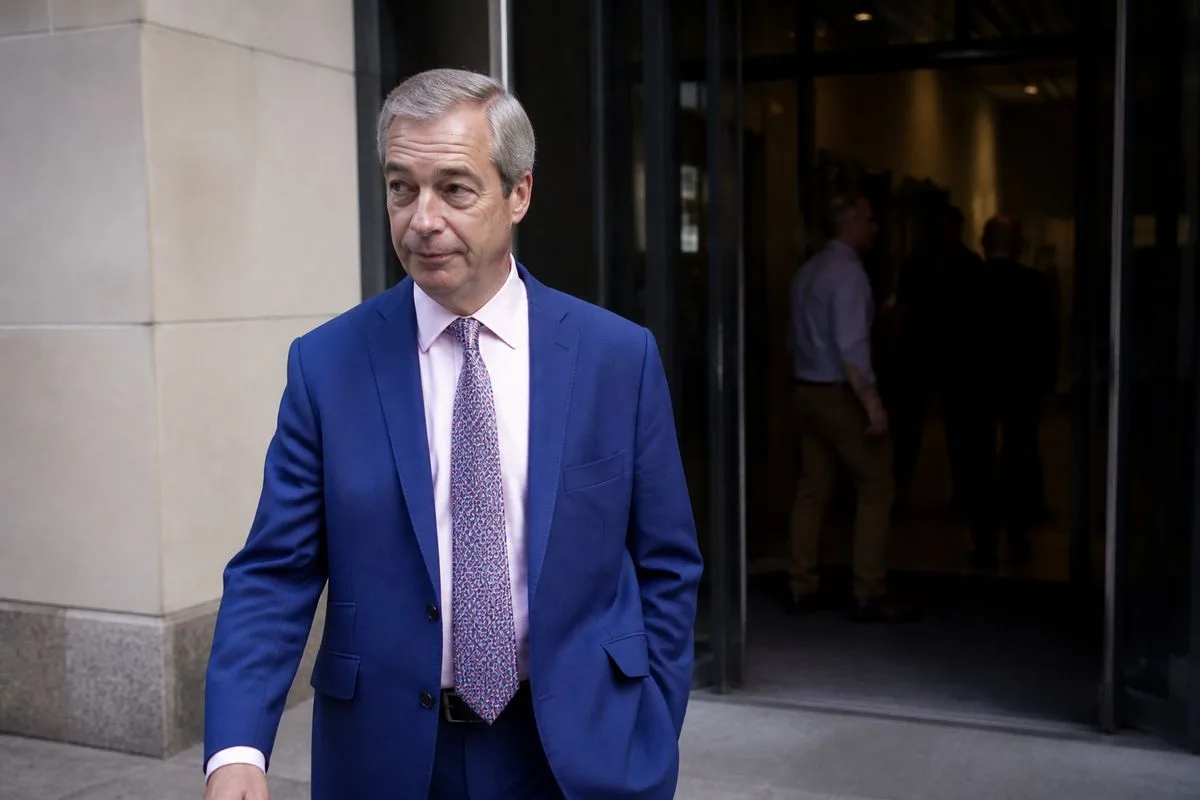
Does that automatically explain an absence “today”? Not on its own. There is no explicit statement that GB News benches him, or that he steps back. But it does explain why people ask the question in the first place. When a presenter becomes part of the story, audiences start scanning the schedule for signals. Is he still there? Has the channel quietly moved him? Is he choosing to lie low? Those are the instincts behind the search query.
And the Instagram comments show that the backlash is not abstract. People accuse him of poor judgement, call him “Trump’s no.1 cheerleader”, and mock the idea of him as a future leader. That kind of heat can make any broadcaster cautious about where, and how often, a figure appears, especially when the channel is already under scrutiny.
Option C: The Ofcom pressure question, why is nigel farage not on gb news today when regulation is in the background
The third lens is regulation. One of the supplied sources is titled: “Farage on GB News: Demand that Ofcom takes immediate action”. The content provided under that heading is dominated by cookie and donation related text rather than the substantive argument, so it does not supply the details of the complaint, the programme, or the alleged breach. That limitation matters, because it means there is no concrete claim in the material that Ofcom has opened a case, issued a ruling, or required any change.
But even without specifics, the existence of that headline tells you something about the climate. GB News has become a frequent subject of complaints and counter complaints, and Farage is one of its most politically charged personalities. In that environment, a presenter’s absence can be interpreted as a response to compliance concerns, even when it is just rota management.
It is also worth noting how modern broadcast regulation interacts with social media. Farage is not only a presenter, he is also a political leader, described in the supplied material as the Reform UK leader. That dual role is combustible. Viewers and critics alike will ask whether a segment is commentary, campaigning, or something in between. And when those questions circulate, broadcasters sometimes take the cautious route: fewer appearances, tighter scripting, more obvious separation between news and opinion. Again, none of that is confirmed here. But it is the context that makes the search term so persistent.
So if someone is asking why he is not on today, the honest answer remains: there is no confirmed explanation in the provided sources. But the plausible drivers fall into three buckets: scheduling, backlash, and regulatory sensitivity. The next step is to compare what each explanation implies for viewers.
What each explanation means for viewers, a practical comparison
For the audience, the real decision is not philosophical. It is: do they wait for Farage to return, or do they treat his absence as a signal to adjust expectations about GB News programming? The comparison below sets out what each scenario would look like in practice, based strictly on what can be inferred from the supplied material.
| Scenario | What the sources support | What viewers might notice | Most likely outcome |
|---|---|---|---|
| A: Routine scheduling | Instagram promotes a specific 7pm live appearance tied to US midterms, not a confirmed daily slot. | Farage appears around big events, then disappears on quieter news days. | He returns when there is another strong hook, UK politics, US politics, or a Reform UK moment. |
| B: Backlash after prediction | A critical write up says his on air midterms prediction is proved wrong, prompting ridicule and criticism. | More scrutiny of his segments, more clips shared, more hostile commentary. | Temporary lower profile, then a return framed as “moving on” or addressing criticism. |
| C: Regulatory sensitivity | A headline calls for Ofcom to take immediate action, but the supplied text does not include the substance. | Channel messaging becomes more careful, fewer politically ambiguous segments. | If anything changes, it is likely to be format and compliance, not a permanent disappearance. |
The key point is that only scenario A is directly supported by something concrete in the material, a promoted appearance at a set time. Scenarios B and C are context, not confirmation. But context is powerful, and it shapes how audiences interpret even a normal day off.
And there is a wider media truth here. Opinion channels thrive on personality, but personality also creates fragility. When the presenter becomes the headline, the schedule becomes a referendum. That is exactly what this search query captures.
Pros and cons for viewers: waiting for Farage versus treating it as a wider shift
People do not just want an explanation, they want to know what to do with it. Should they keep checking the listings for his next appearance, or should they assume GB News is moving on? Below is a viewer focused comparison, based on the three scenarios above.
Option 1: Assume it is routine scheduling and keep watching for his next slot
- Pros: Avoids overreacting to a single day; fits the evidence of event driven promotion; likely the most realistic explanation given the lack of an official statement.
- Cons: Can be frustrating if viewers expect a fixed nightly show; does not address the reputational and regulatory noise that may affect future bookings.
Option 2: Assume the midterms controversy changes his on air role
- Pros: Matches why the question spikes after a high profile moment; explains why social media commentary turns intense; accounts for the channel wanting to cool things down.
- Cons: Not confirmed by the supplied sources; risks mistaking criticism for consequence; could misread a normal rota change as a punishment.
Option 3: Assume Ofcom pressure forces a rethink
- Pros: Recognises that regulation and complaints shape broadcast decisions; fits the existence of a headline demanding Ofcom action.
- Cons: The supplied material does not include the underlying allegations or any Ofcom decision; cannot be used to claim a direct link to today’s schedule.
There is a slightly awkward conclusion here, but fair enough, it is the honest one. If someone wants a definitive reason for today, they need a direct statement from GB News or Farage. The provided material does not include it. What it does provide is a map of the forces acting on his GB News presence, and why even a routine absence becomes a talking point.
And that leads neatly to the bigger comparison: Farage as a broadcaster versus Farage as a political actor. Because the tension between those two roles is where the long term story sits.
Farage the presenter versus Farage the political brand, why the distinction matters now
Nigel Farage is not just another pundit. In the supplied material he is described as the Reform UK leader, and his GB News segments are framed around major political events, in this case the US midterms and the fortunes of Donald Trump. That blend of party leadership and broadcast platform is not exactly groundbreaking in modern media, but it is a big deal for perception. Viewers who like him see directness and conviction. Critics see campaigning by another name.
The midterms episode, as described, shows the upside and the downside of that approach. The upside is clarity, he makes a call, he backs it, he gives reasons. The downside is that when the call is wrong, the clip becomes a weapon. The supplied critique leans into that, portraying him as overconfident and out of step with results. And the Instagram comments show how quickly that turns personal.
Historically, broadcasters have always used political personalities to drive attention, from newspaper columnists turned MPs to radio hosts who become candidates. The difference now is speed. A prediction made at 9pm can be mocked by midnight, and by the next day people are searching for signs of retreat. That is the ecosystem in which “why is nigel farage not on gb news today” becomes a recurring question rather than a one off curiosity.
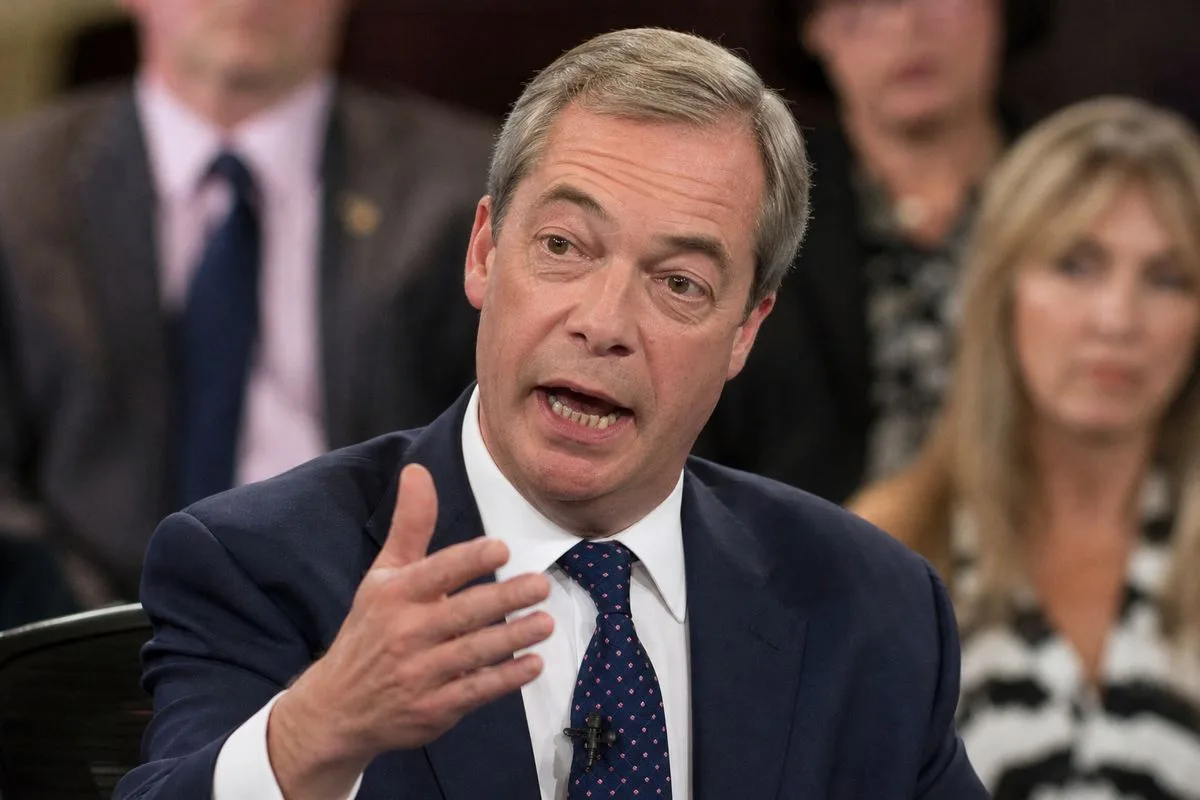
There is also a strategic angle for GB News. A channel built on opinion needs strong voices, but it also needs resilience. If one personality dominates the brand, every controversy becomes a channel story. Rotating presenters, shifting slots, and booking people around specific events can be a way to keep the channel flexible. Again, the sources do not confirm that is what is happening today. But it is a plausible organisational logic, and it fits the evidence of event based promotion.
The Verdict: why is nigel farage not on gb news today, and what viewers should conclude
Based on the supplied material, the most defensible conclusion is that there is no verified, specific reason given for Farage not appearing on GB News today. There is no statement from the channel in the sources, no confirmed suspension, no confirmed cancellation, and no confirmed schedule showing he was meant to be on. That is the key point, and any article claiming otherwise would be guessing.
But viewers are not wrong to sense that something is going on around his broadcasts. The material shows two pressure points. First, a high profile on air prediction about the US midterms that is later portrayed as badly wrong, which triggers a wave of criticism and ridicule. Second, a wider atmosphere of regulatory and complaints chatter around GB News, hinted at by a headline calling for Ofcom to take immediate action, even though the underlying details are not included here.
So what should a viewer do with that? If the goal is simply to find him on screen, the sensible approach is to treat his GB News appearances as event driven unless and until a fixed schedule is clearly advertised. If the goal is to interpret the politics of his absence, the smarter read is that Farage’s role sits at the intersection of media, party leadership, and controversy. That intersection creates volatility. Some days he is the headline. Other days, he is not on at all. And yes, that can be deliberate.
In short, for anyone searching why is nigel farage not on gb news today, the verdict is: the sources do not confirm a single definitive reason. The most likely explanation is routine scheduling around the midterms coverage, with the added reality that backlash and regulatory noise make every absence feel loaded. That is modern political broadcasting for you. Messy, loud, and never just about the rota.
Closing thoughts: what to watch for next
If Farage returns to GB News soon, the next question will not be whether he is back, it will be how he comes back. Does he double down on the US analysis, does he pivot to UK issues, or does he address the criticism head on? The Instagram post suggests he is comfortable using social platforms to drive audiences to a specific time slot, so viewers should expect more of that kind of promotion when he has something to sell editorially.
If he does not return quickly, that still does not prove a ban or a formal change. It could simply mean the news agenda has moved on. But the combination of a controversial on air prediction, intense audience reaction, and a background hum of Ofcom related campaigning means the scrutiny will not fade. The next absence will trigger the same search again. And the next one after that.
For GB News, the broader test is whether it can keep building a schedule that is bigger than any one personality. For Farage, the test is whether he can keep straddling political leadership and broadcasting without every misstep becoming a referendum on both. Viewers, meanwhile, just want to know what is on at 7pm. Fair enough. But in this media climate, even that simple question can turn into a story.