Chiltern Railways enters public ownership, and the renationalisation clock speeds up
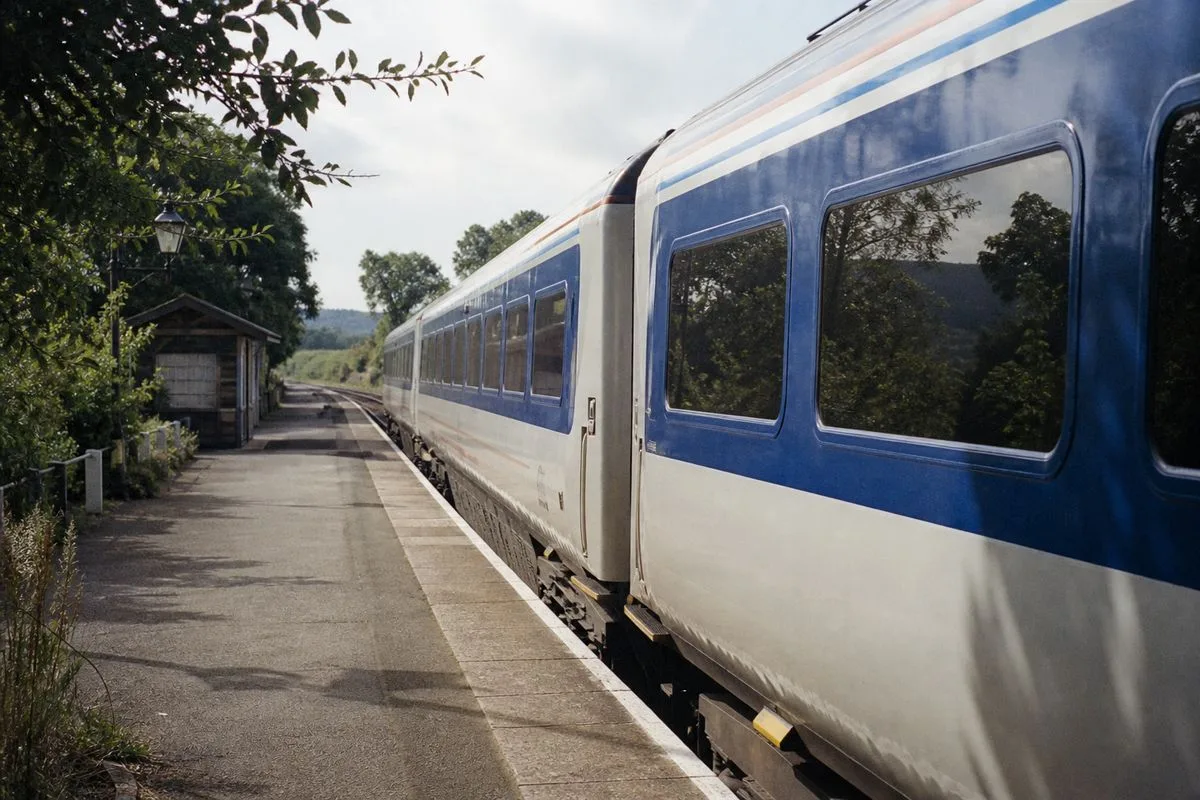
Chiltern Railways is now in public ownership, a symbolic and practical step in the Labour government’s plan to bring passenger rail operations back under the state umbrella and fold them into Great British Railways (GBR). The transfer takes effect on Sunday 20 September 2026, and it lands with a thud rather than a whisper because Chiltern is not some niche shuttle. It runs the Chiltern main line corridor between London Marylebone and Birmingham, plus a web of commuter and regional services across Buckinghamshire, Oxfordshire, Warwickshire and into the West Midlands.
Ministers pitch the move in plain, commuter language: more trains, more seats, better reliability, less overcrowding. The Department for Transport (DfT) says Chiltern passengers will see a package of improvements, and it puts numbers on the headline promise. From December 2026, the network is due to gain 25 additional daily services and 10,000 extra seats each weekday. Lord Peter Hendy, the rail minister, frames it as a chance to fix “bread-and-butter issues”, the stuff that makes or breaks public confidence in rail, namely frequency, comfort and punctuality.
But this is not just a timetable tweak. It is part of a rolling programme that aims to bring all major passenger services under GBR by the end of 2027. Chiltern becomes the latest operator to switch over, and the government is already pointing to the next handover: Great Western Railway is due to transfer on 13 December 2026. In other words, this is a live political project, and Chiltern is one of the more visible pieces on the board.

What actually changes for passengers on the Chiltern Railways network
The government’s immediate offer is capacity, and it is unusually specific for a rail announcement. The DfT says 25 extra daily services will be introduced from December 2026, delivering 10,000 extra seats on weekdays. The BBC reports that this includes half-hourly services during weekdays on the Chiltern Main Line between London and Birmingham, alongside more weekend services. For a route that often feels like it is running at the edge of what its rolling stock and paths can handle, that is not exactly a minor adjustment.
There are also service-quality promises that matter in 2026 because expectations have shifted. Chiltern says the rollout of new trains will improve accessibility and provide better Wi-Fi on board. The Guardian adds that the plan includes upgraded stations and better onboard facilities, again including upgraded Wi-Fi. None of this is glamorous, but anyone who has tried to work on a patchy connection between Marylebone and the Midlands knows it is a big deal in practice.
One of the more passenger-friendly changes is about disruption, and it is the sort of policy that people only notice when things go wrong. From Sunday, Chiltern says passengers whose train has been cancelled can use another operator’s service up to two hours either side of their original train to reach their destination at no extra cost. That is a practical nod to the reality of a mixed network where, even under a single guiding mind, different operators and service patterns still overlap. It also hints at what “integration” is supposed to feel like on the ground: fewer arguments at barriers, more flexibility when the plan falls apart.
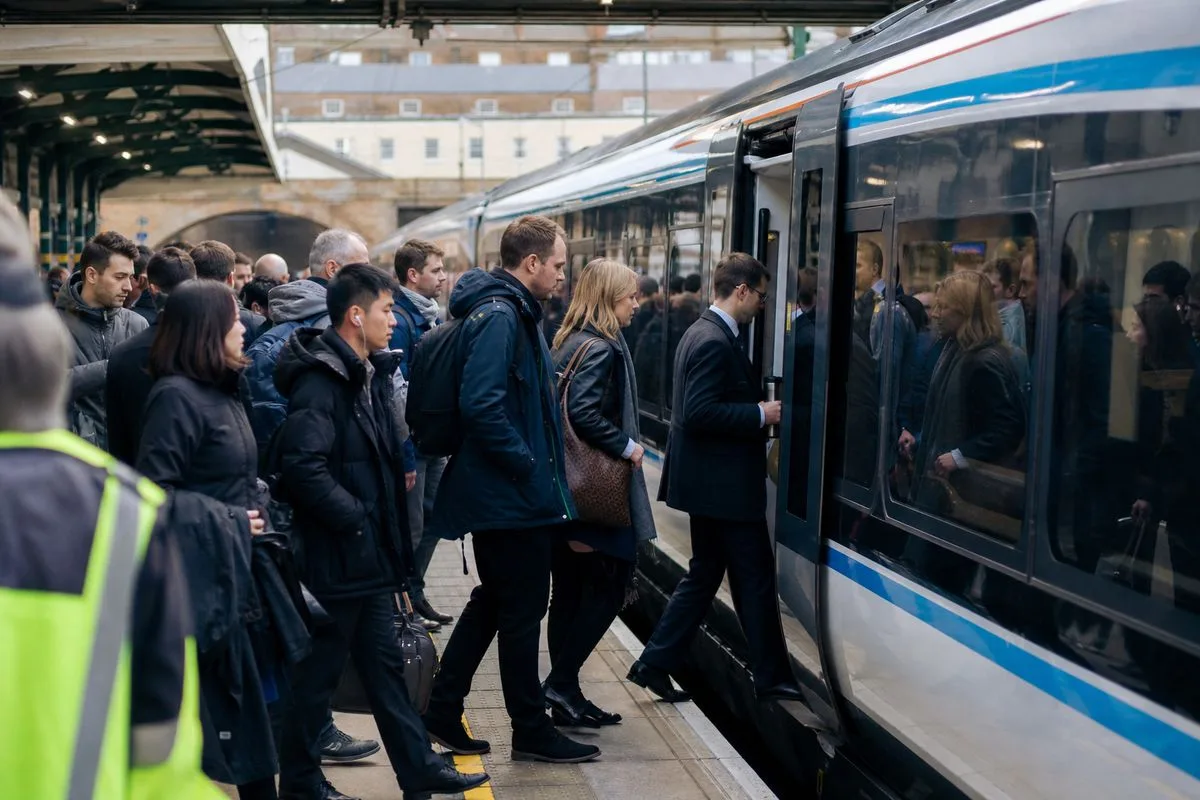
The first day under public ownership also arrives amid real-world disruption. Chiltern warns that the Birmingham to Marylebone line is expected to be much busier due to late notice of a West Coast Main Line closure affecting services at London Euston. The operator says it will run more trains than usual between the stations with significantly enhanced capacity. It is a reminder that renationalisation does not magic away engineering work, capacity constraints, or the knock-on effects of closures elsewhere. The railway remains a system, and systems have a habit of sharing their problems.
From 1996 privatisation to 2026 renationalisation, how Chiltern Railways gets here
Chiltern Railways was privatised in 1996, and its return to public ownership in September 2026 marks roughly 30 years as a private company. That arc matters because it mirrors the broader story of Britain’s post-privatisation rail model: franchising and concession-style contracts, periodic operator changes, and a constant argument about where accountability sits when performance dips. Chiltern’s brand has often been associated with Marylebone, a station that feels slightly apart from the rest of London’s rail sprawl, and with a corridor that competes with the West Coast Main Line for London to Birmingham travel.
In political terms, the shift is anchored in legislation passed in 2024, which sets the framework for bringing private train operations back into public ownership as contracts allow. The Guardian describes Chiltern as the sixth operator to be nationalised under Labour since 2025, with the remaining four expected to follow by the end of 2027. The BBC, meanwhile, frames Chiltern as the 10th rail company now under GBR. The difference in counting reflects how messy the landscape is, with different categories of public control and different ways of defining “operator”, but the direction of travel is the same: more of the passenger railway is being pulled into a single public structure.
That structure is Great British Railways, which is intended to sit alongside Network Rail and the publicly owned operators to create a more integrated body. The government’s pitch is that integration will reduce duplication, save money and improve services. The sources do not provide a breakdown of savings, and any claim beyond the government’s stated intention would be speculation. What is clear is that ministers want the public to associate public ownership with visible improvements, not just a change of logo.
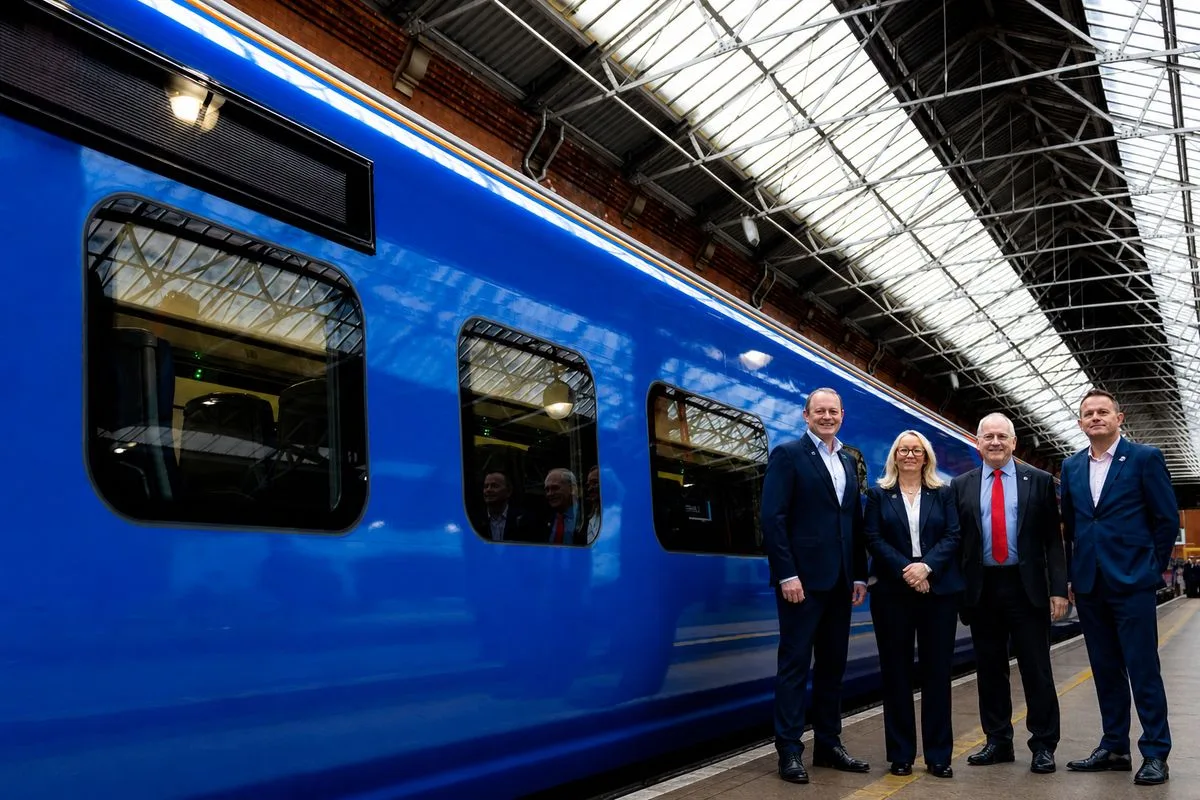
Branding is part of it, whether rail professionals like it or not. Lord Peter Hendy meets staff at Marylebone alongside the first Chiltern train in GBR livery, and the DfT circulates images of the minister with the operator’s new look. It is theatre, yes. But it is also a signal to passengers that something has changed, and to staff that the chain of command is shifting. In rail, perception and morale can be as consequential as the formal organisational chart.
Great British Railways and the politics of “bread-and-butter” rail promises
Lord Peter Hendy’s language is deliberately grounded. He talks about “more frequent, comfortable trains that turn up on time” and says the government is “putting passengers first”. He also adds a caveat that is both honest and politically necessary: “It will not happen overnight.” That line matters because renationalisation can be sold as a switch that gets flicked, but the passenger experience is shaped by rolling stock availability, infrastructure constraints, staffing, and timetabling, all of which move at the pace of procurement cycles and engineering possessions.
The DfT’s overcrowding message is aimed straight at the commuter market, where frustration is daily and highly visible. Chiltern’s interim managing director, Tony Baxter, says customers will see improvements “made possible thanks to years of planning, dedication and hard work by Chiltern colleagues”, and argues that public ownership will strengthen progress through closer collaboration across the industry. That is a careful formulation. It credits the existing workforce and planning pipeline, while also implying that the new governance model will remove barriers that previously slowed delivery.
There is also a strategic communications challenge here. The government wants GBR to be seen as an integrated, passenger-focused system, but the public will judge it on the basics: cancellations, crowding, information during disruption, and whether fares feel fair. The sources do not mention fare changes linked to the Chiltern transfer, and it would be wrong to imply any. Still, the “two hours either side” cross-operator acceptance rule for cancelled trains is a small but telling example of the kind of integration passengers actually notice.
And then there is the timeline pressure. The stated aim is for GBR to operate all passenger services by the end of 2027, with Great Western Railway next in December 2026. That is a tight runway for a complex handover programme, especially if industrial relations flare up or if performance stumbles during transitions. Each transfer is meant to be a proof point. Each one is also a risk, because any early disruption gets pinned on the new model, fairly or not.
East West Rail, driver-only operation, and the dispute that could define the next phase
Chiltern’s transfer is also framed by an unfinished promise: East West Rail. The Guardian reports that the DfT describes public ownership as a “fresh opportunity” to deliver the long-awaited services that should have started under Chiltern last year on a completed stretch of the future Oxford to Cambridge line. The key point is that the sources do not provide a new start date for East West services between Oxford and Milton Keynes, and the Guardian explicitly says it is unclear whether a start date has come any closer after the transfer.
Why the delay? The reporting points to multiple reasons being given over time, but it highlights a live flashpoint: unions oppose plans to run the trains without a guard. The RMT union is due to demonstrate outside London Marylebone station on Monday, and members are being balloted for strike action over driver-only operation plans backed by the DfT. That is not a side issue. It goes to the heart of how the railway is staffed, how safety and customer service are perceived, and how cost pressures are managed.
This is where the government’s integration narrative meets the hard edge of industrial relations. A publicly owned railway does not automatically mean a calmer one. In some ways, it can intensify disputes because the employer is effectively the state, and political stakes rise. If GBR is meant to embody a “railway the country can trust”, then high-profile conflict over staffing models, especially on a new or revived route like East West Rail, risks undermining that trust before the service even beds in.
At the same time, the DfT’s argument, implied rather than fully laid out in the sources, is that modern operations and cost control require different staffing patterns. The sources do not provide detailed safety or cost evidence for either side, so the only responsible conclusion is that the dispute is unresolved and potentially consequential. What can be said with confidence is that East West Rail has become a test case, and Chiltern’s move into public ownership does not make that test go away. If anything, it makes the outcome more politically charged.
What the Chiltern Railways renationalisation signals for the wider rail industry
Chiltern’s shift into public ownership is being sold as a passenger-first move, but the industry implications run deeper. The government is effectively betting that a more unified structure can do three things at once: plan services coherently, manage contracts and performance more tightly, and present a simpler face to the public. The promise of 25 extra daily services and 10,000 extra weekday seats is a classic example of how ministers will try to demonstrate that public ownership is not just ideological, it is operational.
But capacity increases are never free. They require rolling stock, crew, depot capacity, and timetable paths that do not clash with other services. The sources mention “more new trains” being rolled out, and improvements such as accessibility and better Wi-Fi, but they do not specify fleet numbers, delivery dates, or manufacturers. That absence is important. It means the public case is currently being made on outcomes rather than the mechanics, and the mechanics are where rail projects often get stuck.
There is also a competitive and network-planning angle. Chiltern’s London to Birmingham route sits in the shadow of the West Coast Main Line, and disruption at Euston can push demand towards Marylebone, as seen on the first day of public ownership when the West Coast closure makes Chiltern services “much busier”. In an integrated GBR world, that kind of demand management could, in theory, be handled more deliberately, with clearer cross-acceptance rules and better passenger information. The new “two hours either side” acceptance policy for cancelled trains is a small step in that direction, even if it is triggered by disruption rather than planned interchange.
And then there is the reputational question. Each operator that moves into public ownership becomes part of the GBR brand, for better or worse. If performance improves, ministers will point to integration as the cause. If it worsens, critics will say the state cannot run railways. That is the political reality. Chiltern, with its commuter-heavy flows and high visibility at Marylebone, is now one of the lines on which that argument will be fought in public, day after day, peak after peak.
A uniquely awkward moment, renationalisation meets real-world disruption and real-world expectations
There is a temptation, in Westminster and in parts of the industry, to treat renationalisation as a tidy story. Private operator out, public operator in, job done. But Chiltern’s first day under public ownership is immediately shaped by a separate event, the late-notice West Coast Main Line closure that makes the Marylebone to Birmingham corridor busier. That is the railway in a nutshell. The public does not experience “policy”, it experiences the knock-on effects of engineering work, crowded platforms, and whether they can get home without a row at the ticket gates.
That is why the seemingly small operational promises matter so much. Extra services from December 2026 are tangible. So are extra seats. So is better Wi-Fi, which sounds trivial until someone is trying to do a video call from a vestibule because the carriage is packed. And the cross-operator acceptance rule for cancelled trains is exactly the kind of thing passengers assume should already exist in a national network. If GBR wants to feel like a single railway, it needs dozens of these “obvious” fixes, not just a new livery.
But the government is also walking into a credibility trap. It is promising a better railway while inheriting the constraints of the existing one. Infrastructure bottlenecks do not vanish because the operator changes. Rolling stock programmes take time. Staffing disputes can escalate quickly. And East West Rail, held up partly by a row over driver-only operation, is a reminder that the next phase of Britain’s rail story will be shaped as much by workforce agreements as by ministerial announcements.
In that sense, Chiltern’s renationalisation is less a finish line and more a handover of responsibility. The state now owns the outcomes more directly. Fair enough. But that also means the state owns the delays, the crowding, and the arguments about how trains should be staffed. If GBR can turn the December service uplift into a visible improvement, and if it can navigate the East West Rail dispute without poisoning the wider programme, then Chiltern’s move will look like momentum. If not, it risks becoming a cautionary tale, not about public ownership itself, but about overpromising in a system that rarely behaves.
What happens next on the Chiltern line, and what to watch as GBR expands
The next concrete milestone is December 2026, when the additional 25 daily services are due to arrive, bringing the promised 10,000 extra weekday seats. That is the moment passengers will judge whether the transfer is more than a change of letterhead. Lord Peter Hendy explicitly points to capacity as the key issue on Chiltern, describing it as “shorter capacity” and arguing that extra trains and seats will make a “real difference” for people travelling from Marylebone every day. If those trains appear, and if they run reliably, the government will have a strong early win.
Alongside the timetable uplift, the rollout of new trains and station upgrades will be watched closely, even if the sources do not provide a detailed delivery schedule. Accessibility improvements are particularly sensitive because they are measurable in everyday experience: step-free access, reliable information systems, and facilities that work. Better onboard Wi-Fi is another easy-to-test promise. People will not need a performance report to know whether it is improved. They will know by Tuesday morning.
Nationally, the programme continues. Great Western Railway is due to be brought into public ownership on 13 December 2026, and the government’s stated aim is for GBR to operate all passenger services by the end of 2027. That sets up a rolling series of transitions, each with its own operational risks and industrial relations dynamics. Chiltern is now part of that story, not as an abstract policy example, but as a live network where the public will decide, day by day, whether GBR is delivering the railway it promises.
And looming over it all is East West Rail. The DfT calls Chiltern’s transfer a “fresh opportunity” to deliver it, but without a clear start date, and with the RMT preparing demonstrations and a strike ballot over driver-only operation, the project remains a pressure point. If GBR is meant to be the integrated mind of the railway, then getting East West Rail moving, safely and with a workforce settlement that holds, would be a powerful demonstration. If it stays stuck, it will be a reminder that ownership is only one part of the puzzle.